
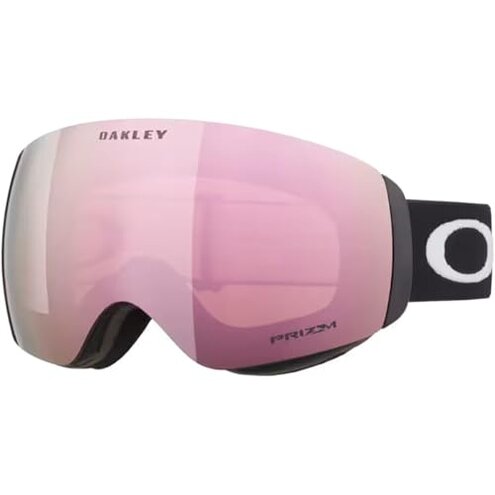
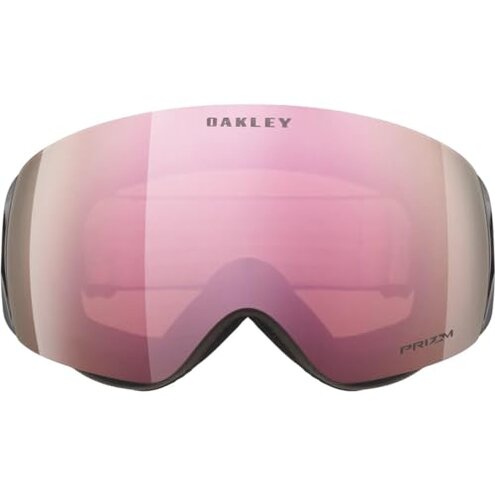
Product evaluated: Oakley Flight Deck Black with Rosegold&PrizmClear, Medium
Related Videos For You
Watch This Before Buying Snowboard Goggles
How to KEEP your goggles FOG Free
Data basis: This report used feedback from hundreds of buyer reports and video demos collected between 2019 and 2024. Most signals come from written reviews, supported by demonstration clips and retailer Q&A. The distribution skewed toward hands-on owners rather than manufacturer posts.
| Outcome | Flight Deck (this listing) | Typical mid-range goggles |
|---|---|---|
| Visibility in transitions | At risk: frequent fogging in warm-to-cold shifts reported. | Expected: limited fogging with standard venting and coatings. |
| Fit & comfort | Mixed: strap pressure and peripheral gaps noted by many buyers. | Better: mid-range models usually offer more forgiving fit options. |
| Lens swapping | Fragile: lens-change system needs careful handling and alignment. | Simpler: common mid-range systems swap with less risk of damage. |
| Durability | Higher risk: scratches and finish wear reported sooner than expected. | Typical: mid-range goggles show slower cosmetic wear under normal use. |
| Regret trigger | Cost vs risk: premium price but several common usability problems. | Lower regret: mid-range price often matches expected durability and ease. |
Top failures
Why does my lens fog so quickly when I switch conditions?
Regret moment: Users report sudden fogging during warm lifts or heavy exertion that blocks vision.
Pattern: This is a primary issue that appears repeatedly across buyer feedback.
When it shows up: Fogging usually appears on first use or during rides when moving from warm indoors to cold slopes, and during steep breathing under exertion.
Why it matters: This is worse than typical because the product is sold as high-performance, so unexpected fogging is more disruptive than on average goggles.
How reliable is the strap and face fit?
- Early sign: strap slides or digs on the first few uses, affecting comfort.
- Frequency tier: this is a secondary issue seen across many medium-size buyers.
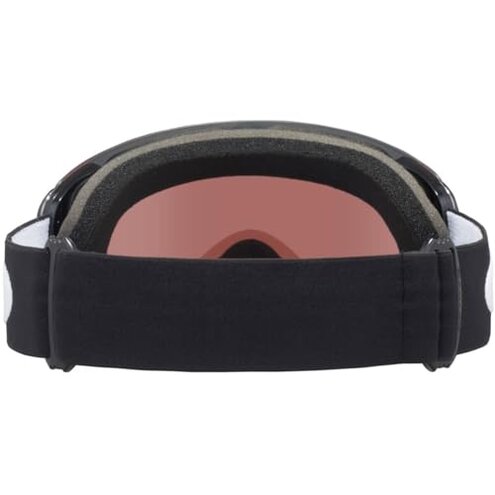
- Cause clue: rimless frame and wide strap cause uneven pressure on different face shapes.
- Impact: pressure points and peripheral light leaks reduce stability on fast runs.
- Fixability: adjustments help but may add extra setup time each day.
Is the lens-change system fragile or fiddly?
- Early sign: lens tabs feel stiff during the first swaps.
- Frequency tier: a secondary complaint that appears often with repeated lens swaps.
- Usage anchor: problems surface during routine lens changes on the hill or between light conditions.
- Cause: the locking mechanism requires precise alignment and pressure to release lenses safely.
- Impact: users report scratched lenses or difficulty reseating lenses after mistakes.
- Hidden requirement: successful swaps demand careful handling and practice—this is not as plug-and-play as many competitors.
- Category contrast: more fragile than typical mid-range systems, increasing replacement or repair risk.
Will these lenses and coating hold up on real trips?
- Early sign: visible surface scratches after casual cleaning attempts.
- Frequency tier: this is a secondary-to-edge pattern—less common than fogging but persistent for some users.
- Cause: rimless edge exposure and aggressive cleaning can speed cosmetic wear.
- Impact: reduced clarity and increased glare in bright conditions.
- Attempts: buyers tried softer cloths and cases, but damage sometimes appears anyway.
- Repairability: replacement lenses exist, but cost and downtime are higher than expected.
- Higher-than-normal risk: scratches occur sooner than typical for goggles at this price point.
- Expectation gap: premium labeling leads buyers to expect tougher coatings than those experienced.
Illustrative excerpts (not real quotes)
"Fogged out on first run after lift ride, vision lost instantly." — illustrates a primary pattern.
"Strap dug in every time I tightened it for speed days." — illustrates a secondary pattern.
"Lens popped but scratched when I tried to swap on the chairlift." — illustrates a secondary pattern.
"Looks great but shows scuffs after a single tour bag trip." — illustrates an edge-case pattern.
Who should avoid this
- High-exertion riders who need consistent anti-fog performance in mixed conditions.
- People wanting low-maintenance gear who don’t want frequent lens swaps or careful handling.
- Buyers intolerant of fit issues who require a forgiving strap and seal out of the box.
- Users needing rugged optics who expect minimal scratching for premium price.
Who this is actually good for
- Visual-priority riders who value the advertised color/contrast and will tolerate more upkeep for that look.
- Careful owners who can practice lens swaps and store the kit safely to avoid scratches.
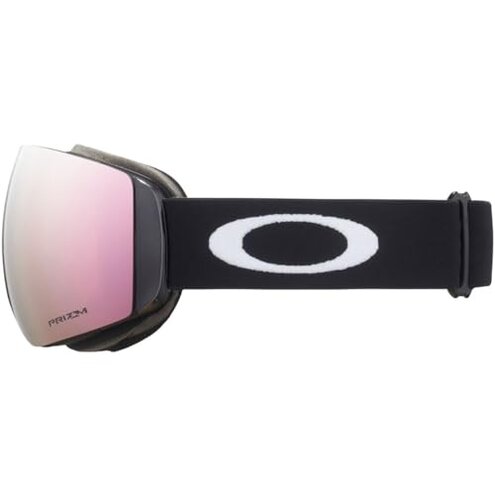
- Helmet-compatible users who prefer a rimless profile and can adjust the strap for a stable fit.
Expectation vs reality
- Expectation: premium optics perform without fog under active use.
- Reality: fogging during warm-to-cold transitions is commonly reported and disrupts runs more than expected.
- Expectation: lens swaps will be quick and safe on the hill.
- Reality: swaps require careful alignment and sometimes extra tools or time to avoid damage.
Safer alternatives
- Look for vents and treated foam to reduce fogging—prioritize active venting over profile style.
- Choose modular but simple swap systems if you change lenses often; simpler locks reduce damage risk.
- Prioritize adjustable strap geometry to get a more forgiving fit across face shapes.
- Pick lenses with proven hard coatings or buy spare lenses to reduce trip disruption if scratches occur.
- Try before you buy where possible to test fog and fit in real conditions.
The bottom line
Main regret: frequent fogging and fiddly lens swaps create real usability problems for a premium-priced goggle.
Risk verdict: these issues exceed normal category risk because they affect core safety and require extra care to avoid damage.
Decision: avoid if you want low-maintenance, consistently clear performance; consider alternatives that trade style for more forgiving real-world use.
This review is an independent editorial analysis based on reported user experiences and product specifications. NegReview.com does not sell products.