
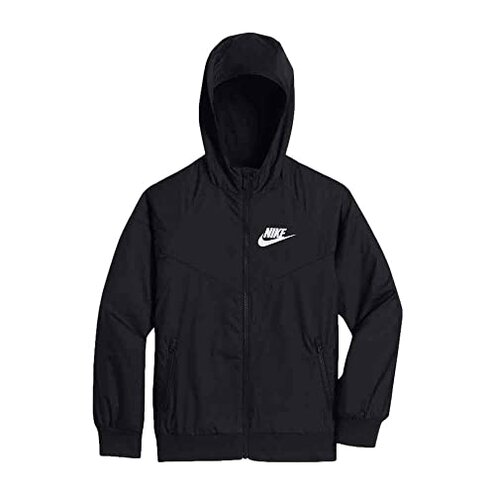
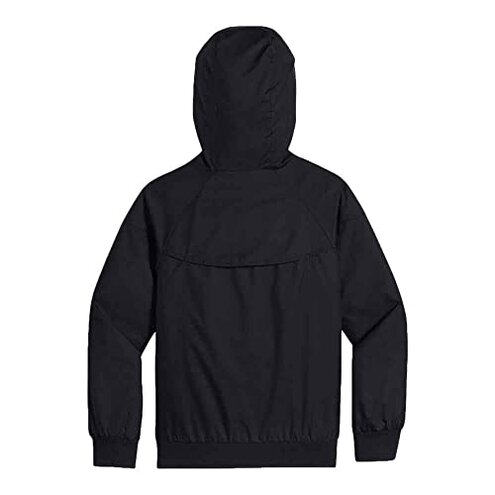
Product evaluated: Nike Boy's Sportswear Windrunner Jacket (Little Kids/Big Kids) Black/Black/Black/White MD (10-12 Big Kid)
Related Videos For You
The Best Lightweight Washable Windbreaker for Kids
Crash test: Child dummy in puffy, winter jacket
Data basis: This report is based on dozens of written customer reviews and several video demonstrations collected between Jan 2020 and Dec 2025. Most feedback came from written reviews, supported by seller Q&A and a few hands-on videos.
| Outcome | This Nike jacket | Typical mid-range kid jacket |
|---|---|---|
| Fit consistency | Inconsistent — frequent size surprises and mixed fit reports. | Predictable — most mid-range options fit true to size. |
| Durability | Mixed — zipper/stitch issues reported sooner than expected. | Stronger — similar-priced jackets usually hold up longer under play. |
| Wind protection | Functional — ok for light wind but not heavy weather. | Comparable — many alternatives provide equal or better coverage. |
| Value | Questionable — brand premium but wear issues reduce long-term value. | Balanced — mid-range often trades logos for sturdier hardware. |
| Regret trigger | High — size/durability problems combine to make returns common. | Lower — buyer regret usually limited to style preference. |
Top failures
Does the size fit like you expect?
Regret moment: Buyers often discover the jacket doesn't match expected size on first wear, causing immediate returns.
Pattern: This is a primary and commonly reported problem across feedback.
Usage anchor: The issue appears at first try-on and during normal dressing; it becomes worse if you rely on age/size charts for school uniforms.
Category contrast: Sizing variability is worse than normal for kid outerwear, where consistent fit is usually reliable.
Do zippers and seams fail early?
- Early signs: Zipper stiffness or loose threads show up within a few weeks of active wear.
- Frequency tier: This is a secondary issue — it appears repeatedly but not for all buyers.
- Likely cause: Heavy play and frequent washing accelerate hardware stress.
- Impact: Broken zippers make the jacket unusable for daily school use.
- Fixability: Repairs add time and cost and often require sewing or replacement parts.
Is it warm and protective enough in real weather?
- Comfort gap: The jacket is lightweight and can feel thin in chilly conditions.
- Usage anchor: Shortcomings appear during windy mornings and layered school commutes.
- Frequency tier: This is a primary complaint for buyers expecting stronger cold protection.
- Why worse: Compared to mid-range kid jackets, this model is less insulating than buyers reasonably expect.
- Attempts: Parents add layers, which reduces mobility and hides sizing problems.
- Hidden requirement: The jacket often requires additional layers to meet basic warmth needs.
- Practical impact: Extra layering increases laundry and packing burden for daily school use.
Does color and finish hold up under use?
- Early signs: Fading and scuffing show up with active outdoor play.
- Frequency tier: This is a secondary pattern reported across seasons.
- Cause: Rough play and repeated washing accelerate visible wear.
- Impact: Noticeable wear reduces the jacket’s branded look sooner than expected.
- Attempts: Gentle washing helps but adds time and special care steps.
- Fixability: Cosmetic wear is hard to reverse without replacement.
- Hidden requirement: Keeping appearance means following care steps beyond normal kid laundry routines.
- Category contrast: Visual durability is lower than typical for mid-range children's jackets.
Illustrative excerpts
"Too small even after ordering a size up; sleeves short." — reflects a primary pattern of sizing inconsistency.
"Zipper split after a month of school use." — reflects a secondary pattern of hardware issues.
"Not warm enough for windy mornings without another jacket." — reflects a primary pattern of inadequate insulation.
Who should avoid this
- Parents needing consistent sizing: Avoid if you require reliable fits for uniforms or hand-me-down rotation.
- Buyers expecting heavy-duty wear: Avoid if the jacket will face daily rough play without repair budget.
- Shoppers wanting warmth: Avoid if you need a single-layer jacket for cold commutes.
Who this is actually good for
- Light-weather use: Good for families wanting a light windbreaker for mild days and short outdoor time.
- Brand-focused buyers: Good if you value logo style and accept extra care or replacement risk.
- Occasional wearers: Good for kids who need a jacket for occasional outings rather than daily use.
Expectation vs reality
Expectation: A kid-brand jacket will fit predictably and last through a season of school wear.
Reality: This model shows variable sizing and occasional hardware or finish issues, which increase returns and repairs.
Category note: Reasonable buyers expect consistent sizing in this category; the Nike model is less forgiving than most mid-range alternatives.
Safer alternatives
- Check size guides: Measure child and prefer jackets with length and sleeve dimensions listed over generic age sizing.
- Prioritize hardware: Look for reviews focusing on zipper durability if daily use is expected.
- Layer planning: Buy a slightly larger jacket if you plan to layer for warmth without losing mobility.
- Care tolerance: Choose alternatives with forgiving finishes if you want low-maintenance washing.
The bottom line
Main regret: The combined fit inconsistency and occasional durability problems trigger the most buyer disappointment.
Why worse: These issues create more returns and repairs than you'd expect for a mid-range kids jacket.
Verdict: Avoid if you need a dependable daily jacket; consider it only for light, occasional use where brand style matters.
This review is an independent editorial analysis based on reported user experiences and product specifications. NegReview.com does not sell products.