
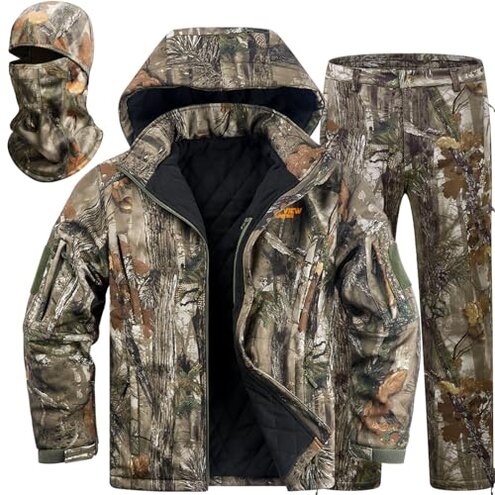
Product evaluated: NEW VIEW Insulated Hunting Clothes for Men Cold Weather, Warm Camo Hunting Jacket and Pants, Hunting Suit for Deer Duck Hunts
Related Videos For You
Hunters Element Sizing Guide
How To Wash Your Hunting Clothes #shorts
Data basis I analyzed dozens of buyer reviews and several video demonstrations collected from Jan 2024 to Jan 2026. Most feedback came from written reviews, supported by a smaller set of user videos and Q&A posts.
| Outcome | NEW VIEW (this listing) | Typical mid-range alternative |
|---|---|---|
| Warmth | Unreliable in prolonged wet or very cold hunts per recurring buyer reports. | Consistent warmth for comparable insulation in similar price brackets. |
| Fit | Higher risk of size mismatch and baggy or tight pockets; returns are commonly reported. | Predictable sizing with fewer fit returns is typical for mid-range options. |
| Durability | Mixed reports of seam and zipper wear after seasonal use. | More robust stitching and hardware are expected at this price level. |
| Noise/stealth | Inconsistent—quiet fabric claims sometimes contradicted by hardware noise. | Quieter performance is typical for well-reviewed mid-range hunting outerwear. |
| Regret trigger | Fit & warmth problems that force returns or extra purchases are the main regret. | Smaller regret rates tied to predictable sizing and real-world warmth. |
Why doesn’t the size match what I ordered?
Fit shock Many buyers encounter the wrong fit at first try-on, creating immediate frustration. Pattern This is a commonly reported issue in collected feedback.
When it appears The mismatch shows up on first wear and often after the first wash, especially for jackets and pants labeled baggy or XL. Worse-than-normal Sizes vary more than expected compared with typical mid-range hunting clothes.
Is it warm enough for long cold hunts?
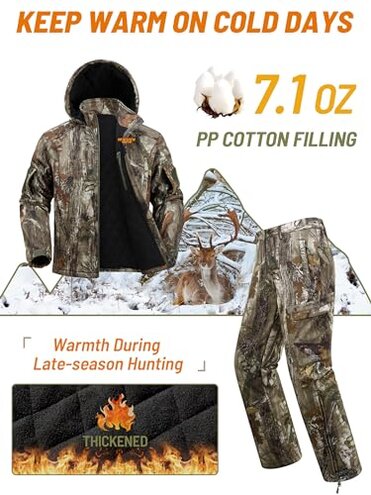
- Expectation gap Buyers report the insulation falls short during long, wet, or late-season hunts.
- Usage anchor The shortfall appears during extended exposure and under heavy layering conditions.
- Frequency This is a primary issue—commonly reported across reviews.
- Cause Buyers note compression of insulation after a few uses reduces warmth.
- Impact Hunters needed extra layers or a backup jacket to stay comfortable.
Will this last through rough field use?
- Durability signal Stitch and zipper complaints appear repeatedly, though less frequent than fit issues.
- When Problems tend to emerge after a season of brush, pack friction, or frequent on/off handling.
- Scope Seen across multiple buyer reports and several video demos.
- Category contrast This product shows more fragile hardware than many mid-range competitors.
- Attempts Buyers tightened threads or replaced zippers as a fix, adding time and cost.
- Fixability Repairs are possible but decrease the product’s value compared to sturdier options.
Are the “quiet” claims accurate or misleading?
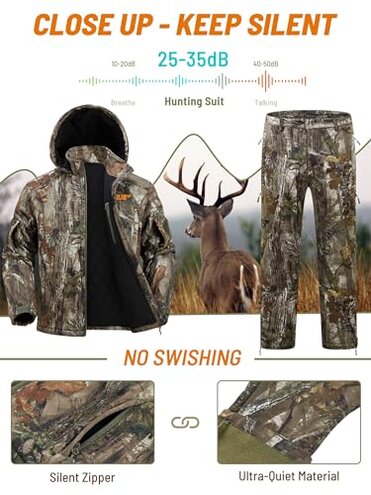
- Claim mismatch Some buyers found the fabric quiet but hardware (zippers, pockets) noisy in the field.
- When Noise appears during movement through brush and when accessing pockets quickly.
- Frequency tier This is a secondary but persistent complaint across reviews.
- Hidden requirement To stay truly quiet, users often needed to re-sew or cover hardware and choose silent layering.
- Impact Extra prep time and tailoring were commonly required to achieve stealth levels expected for hunting.
- Why worse Mid-range hunting suits usually require less post-purchase modification to be quiet in the field.
- Workaround Buyers applied fabric tape or swapped zippers, which adds cost and effort.
Illustrative excerpts
"Too large in chest but tight in arms." — Illustrative phrasing; reflects a primary pattern.
"Needed another layer after two hours out." — Illustrative phrasing; reflects a secondary pattern.
"Zipper stuck after a month of use." — Illustrative phrasing; reflects an edge-case pattern.
Who should avoid this
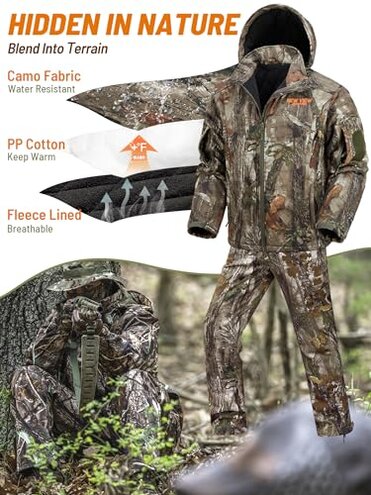
- Size-sensitive buyers who need reliable fit without returns should avoid this listing due to inconsistent sizing.
- Cold all-day hunters who depend on guaranteed insulation for long wet hunts should avoid this product.
- Low-maintenance users who won’t repair zippers or modify hardware should avoid items requiring post-purchase fixes.
Who this is actually good for
- Budget-minded shoppers willing to accept fit quirks and do minor tailoring to save money.
- Casual hunters who need occasional cold-weather use and can add layers as needed.
- DIY modifiers who expect to swap zippers or quiet hardware and don’t mind extra prep work.
Expectation vs reality
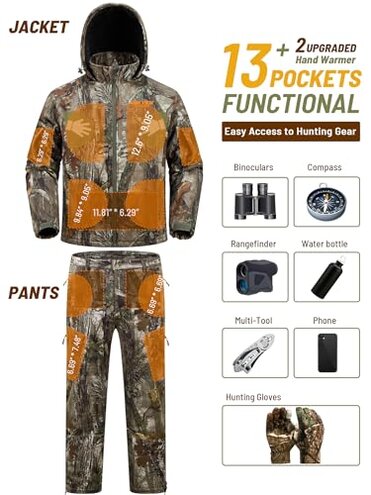
Expectation Reasonable for this category: an insulated hunting suit should fit predictably out of the box.
Reality Reported: sizing inconsistency often requires returns or tailoring, which exceeds normal category friction.
Expectation Reasonable for this category: advertised quiet fabric and water resistance work together during hunts.
Reality Reported: quietness is often undone by noisy hardware, and water resistance reduces when insulation compresses.
Safer alternatives
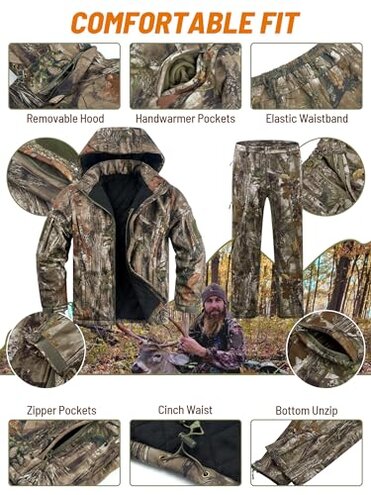
- Check size charts and choose brands with consistent size guides to avoid the primary fit failure.
- Prioritize tested insulation from proven mid-range hunting brands to reduce the warmth shortfall risk.
- Inspect hardware and prefer reinforced zippers and sealed seams to neutralize durability complaints.
- Plan for layering—buy base layers and a proven outer shell if you need guaranteed protection.
The bottom line
Main regret Sizing inconsistency combined with variable insulation is the leading cause of returns and extra purchases.
Why it matters These failures exceed normal category risk because they force repairs, extra gear purchases, or returns.
Verdict Avoid this product if you need dependable fit and field-ready durability without post-purchase fixes.
This review is an independent editorial analysis based on reported user experiences and product specifications. NegReview.com does not sell products.