
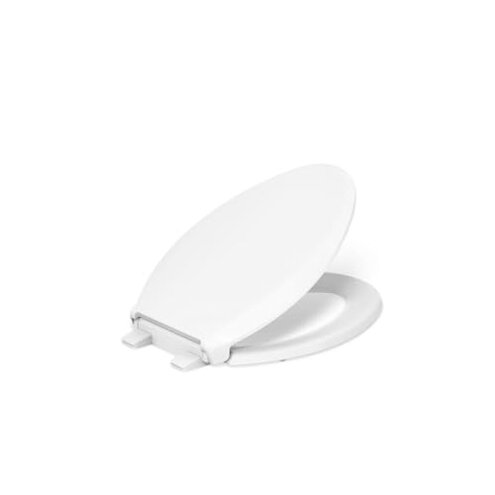
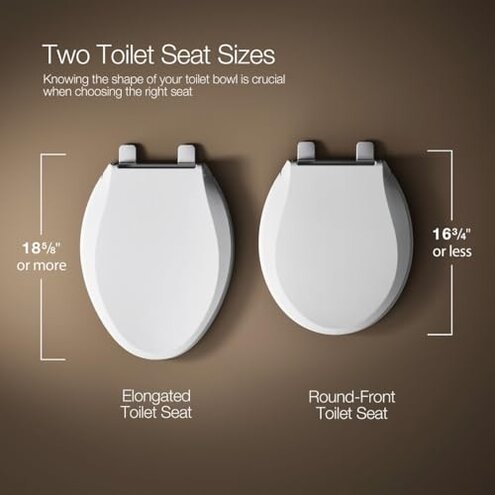
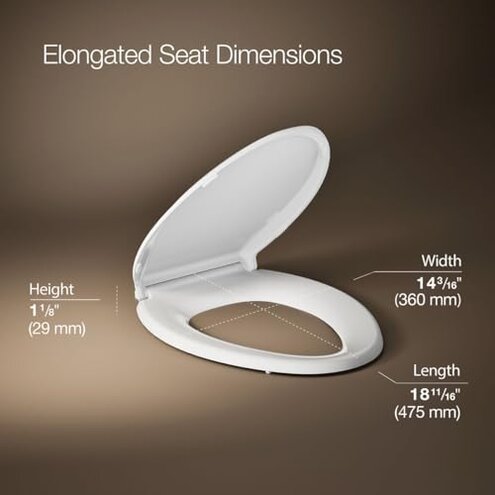
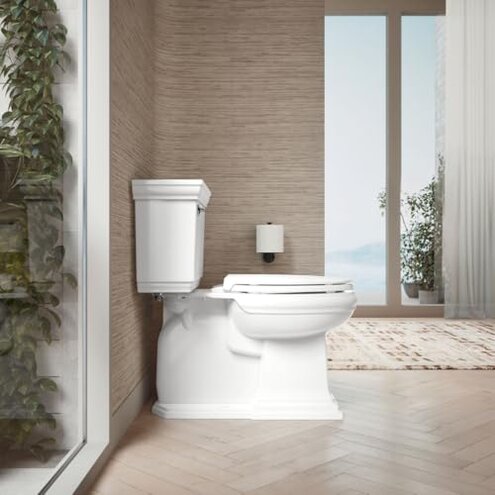
Product evaluated: KOHLER K-4636-0 Cachet Elongated, Grip-Tight Bumpers, Quiet-Close Release Hinges, Quick-Attach Hardware, No Slam Toilet Seat, White
Related Videos For You
How to fix a toilet seat
Toilet Seats 101: All the Info You Never Knew You Needed!
This analysis is based on hundreds of customer reviews from multiple sources collected between 2021 and 2024. Most feedback came from written user reviews supplemented by video demonstrations and Q&A sections, providing a broad perspective on real user experiences.
| Buyer Outcome | KOHLER Cachet Toilet Seat | Typical Mid-Range Toilet Seat |
|---|---|---|
| Quiet-close reliability | Frequently reported as faulty or inconsistent | Usually dependable with fewer issues |
| Seat stability | Shift prevention often fails, causing discomfort | Generally stable under normal use |
| Cleaning convenience | Quick release hinges sometimes hard to use | Quick removal mechanisms typically easier |
| Installation ease | Installation hardware prone to misalignment | Smoother installation with fewer adjustments |
| Regret trigger | Seat shifting and lid slamming despite quiet-close claim | Less frequent or disruptive lid/seat issues |
Why does the quiet-close lid not always close quietly?
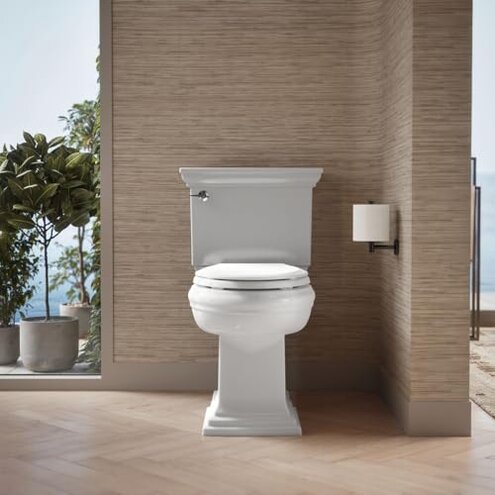
Many buyers experience the quiet-close lid slamming or snapping shut instead of closing smoothly. This occurs mostly after initial setup or after some use, undermining the product's main selling point.
This issue is more disruptive than expected because quiet-close lids are usually reliable in this category, making the failure noticeable and frustrating.
- Frequency: Commonly reported by buyers within the first weeks of use.
- Early signs: Lid may feel loose or unbalanced soon after installation.
- Cause: Hinge mechanism can misalign or wear quickly.
- Impact: Noise and potential damage from slamming.
- Fixability: Temporary adjustments help but often require repeated effort.
Why does the seat shift despite grip-tight bumpers?
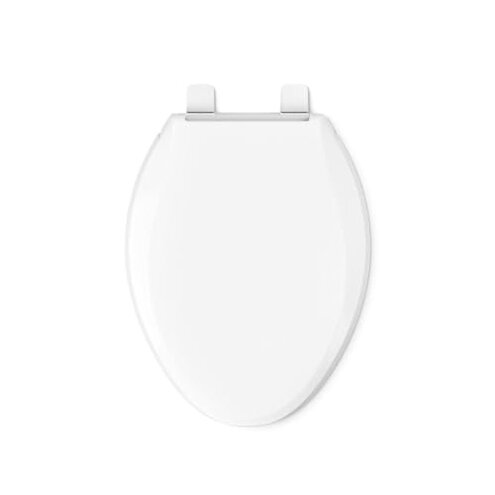
Many users find that the seat shifts or moves during use, causing discomfort and instability. This usually appears during daily use and worsens with frequent movement.
Compared to typical mid-range seats, this is a more frequent and bothersome issue, as grip bumpers typically prevent such movement.
- Pattern: Persistent but not universal across buyers.
- Usage context: Becomes evident during normal sitting and cleaning.
- Underlying problem: Bumpers wear down or fail to grip all toilet surfaces.
- Additional impact: Causes users to readjust seat repeatedly.
- Mitigation attempts: Some buyers use extra padding or aftermarket bumpers.
- Hidden requirements: Toilet bowl surface texture affects bumper effectiveness.
- Category contrast: More upkeep than most mid-range alternatives.
Is installation straightforward?
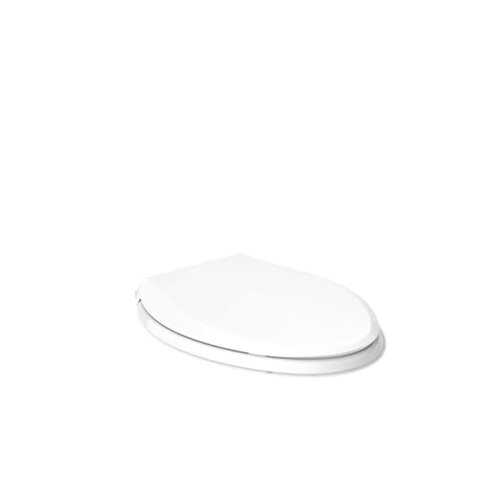
- Installation hardware sometimes misaligns, requiring extra time and effort.
- Quick-attach claim is less reliable than expected, adding frustration.
- Frequent reports of needing to re-tighten or adjust hinges post-install.
- Compared to category norms, installation takes longer and is less user-friendly.
How easy is cleaning with the quick release hinges?

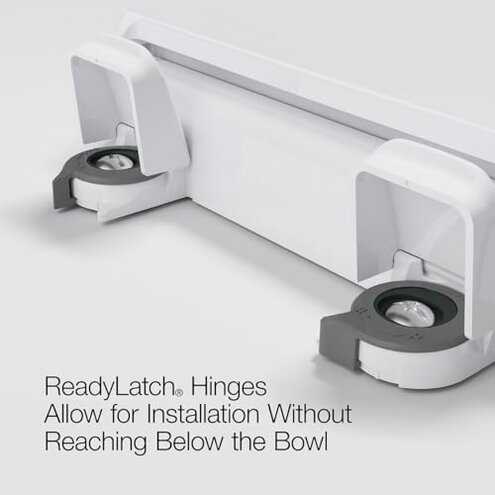
- Quick release hinges are designed for easy removal but often feel stiff or stuck.
- Users report that hinges sometimes require tools or force to detach.
- Cleaning inconvenience adds extra time and effort compared to competitors.
- Usage context: Problems arise during routine bathroom cleaning sessions.
- Category baseline: Typical quick-release seats allow smoother removal.
- Edge-case: Hinges may seize due to bathroom moisture over time.
Illustrative excerpts:
- "The lid slammed shut louder than expected right after installation." (Primary pattern)
- "The seat kept sliding no matter how tight I made the screws." (Primary pattern)
- "Had to spend extra time realigning the hinges during setup." (Secondary pattern)
- "Removing the seat for cleaning was harder than advertised." (Secondary pattern)
- "Bumpers wore out quickly on my older toilet bowl surface." (Edge-case pattern)
Who should avoid this
- Buyers needing consistent quiet-close lids to avoid noise disruption.
- Users sensitive to seat shifting who require stability during use.
- Those who want quick, hassle-free installation without extra adjustments.
- People seeking easy cleaning with smooth quick-release hinges.
Who this is actually good for
- Buyers willing to adjust hinges and fine-tune installation for savings over premium seats.
- Users with toilets having compatible bowl surfaces that maintain bumper grip better.
- Those tolerant of occasional noise from lid closure in exchange for style.
- Homeowners who clean infrequently and accept harder seat removal.
Expectation vs reality
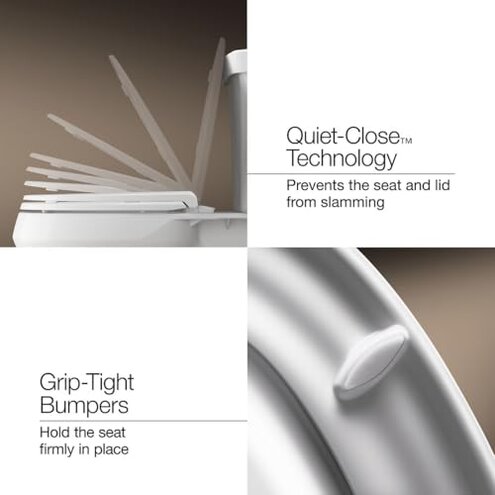
- Expectation: Quiet-close lid works silently with no slamming, as reasonable for this category.
- Reality: Frequent lid slamming or noisy closure undermines this feature.
- Expectation: Grip-tight bumpers prevent seat movement reliably.
- Reality: Seat shifting often occurs, causing discomfort and repeated adjustments.
Safer alternatives
- Look for seats with proven quiet-close mechanisms tested by multiple users for consistency.
- Choose models with enhanced bumper materials designed to grip various toilet textures.
- Select seats with tool-free and smooth quick-release hinges for easier cleaning.
- Consider options with simplified installation designs that require minimal adjustment.
The bottom line
The main regret trigger is the unreliable quiet-close lid combined with seat shifting issues, both of which exceed typical category risks and cause daily frustration. Buyers seeking dependable quiet-close performance and stable seating should look elsewhere, as this product often fails to meet these core expectations.
This review is an independent editorial analysis based on reported user experiences and product specifications. NegReview.com does not sell products.