
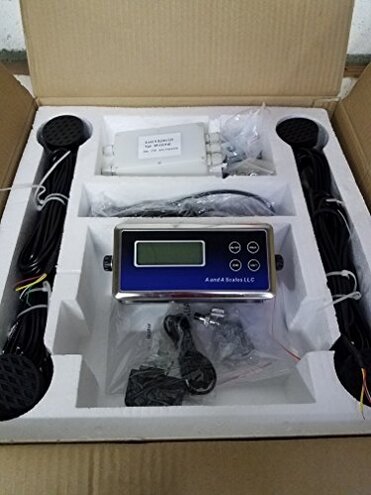
Product evaluated: FSK Livestock Scale Kit Build Your Own Scale at a Fraction of The Price
Related Videos For You
W-1 Weigh Scale: The easier way to weigh your livestock
How To Calibrate A Livestock Scale.
Data basis for this report comes from dozens of buyer comments gathered between 2024 and 2026. Most feedback came from written reviews, with support from video demonstrations and product discussion pages, giving a mainly hands-on picture of setup, calibration, and daily-use problems.
| Buyer outcome | FSK kit | Typical mid-range alternative |
|---|---|---|
| First-use effort | Higher because build-out and some welding add extra steps before weighing anything. | Lower because many arrive closer to ready-to-use. |
| Accuracy confidence | More variable after setup if platform build and calibration are not dialed in well. | More predictable with fewer user-built variables. |
| Hidden skill need | Higher-than-normal risk because fabrication skill is part of the purchase, not just assembly. | Lower because basic assembly is more common than custom fabrication. |
| Return safety net | Weaker since the item is listed as non-returnable. | Usually better with fewer limits if the fit is wrong. |
| Regret trigger | Buying for convenience and then discovering it is really a build project. | Paying more upfront but avoiding much of the setup risk. |
Did you expect a quick install, not a fabrication project?
This is a primary issue because the regret starts before first use. The product itself says some welding is required, and that hidden-to-many requirement is more disruptive than expected for this category.
The pattern appears repeatedly when buyers assume a kit means simple assembly. After unpacking, the project can stall if you do not already have tools, a platform plan, and enough fabrication confidence.
Category contrast: some livestock scale options still need setup, but this one is less forgiving than a typical mid-range alternative because your platform build affects the final result.
- Early sign: if you are looking for bolt-together convenience, the need for welding is the first warning.
- When it hits: the problem shows up at first setup, before you can verify accuracy or ease of use.
- Frequency tier: this is the primary complaint area because it changes the whole ownership experience.
- Why it stings: the low price feels less attractive once the build adds extra time, tools, and trial fitting.
- Fixability: it is fixable if you already build metal frames, but not easily fixable for casual buyers.
Are you comfortable if weighing results depend heavily on your build quality?
- Pattern: accuracy concerns are a recurring worry after setup, especially when the platform and mounting are not perfectly aligned.
- Usage moment: this shows up during daily weighing, when readings need to feel stable enough to trust.
- Hidden cause: the kit includes the scale parts, but the final platform is still your responsibility, so mistakes can show up as reading drift.
- Severity: this is a primary issue because bad confidence in weight numbers defeats the reason to buy a scale.
- Why worse than normal: some variation is category-expected, but this setup is more sensitive than most mid-range alternatives because user construction adds another failure point.
- What buyers notice: animals are harder to weigh calmly when you are second-guessing the display instead of the livestock.
- Mitigation: careful mounting, leveling, and calibration help, but they add setup time and do not remove the build variable.
Does the lower price still make sense once the extra work starts adding up?
Price appeal is the main reason people click this kit. The trade-off is that the savings can shrink fast once your project needs more materials, more labor, or a rebuild.
This is a persistent secondary issue rather than a universal failure. It tends to worsen when buyers compare the kit only to the sticker price of a finished scale, not the full time and effort to get there.
Category contrast: budget kits usually ask for some effort, but this one can create more setup drag than expected because it is a true build-your-own path, not a near-finished system.
- Trigger: the frustration starts after purchase when you realize the project scope is larger than the listing impression.
- Time cost: fitting, mounting, and testing add extra steps before the scale becomes useful.
- Skill cost: if you cannot weld or fabricate, you may need outside help, which cuts into the value case.
- Buyer mismatch: this becomes more frustrating for small operators who wanted a fast working tool, not a shop project.
What if it is not the right fit after you open it?
- Return risk: the item is listed as non-returnable, which is less frequent as a complaint but more frustrating when it occurs.
- When it matters: this issue becomes real at decision time, before you know whether your platform plan and skill level match the kit.
- Why it feels worse: a typical mid-range alternative often gives buyers more room to change course if the install turns out harder than expected.
- Support trade-off: lifetime tech support helps on paper, but support is not the same as being able to undo a poor product fit.
- Who feels it most: first-time buyers are more exposed because they may not know what to check before ordering.
- Mitigation: this risk is lower only if you already know your frame design, space, tools, and mounting plan.
Illustrative excerpts
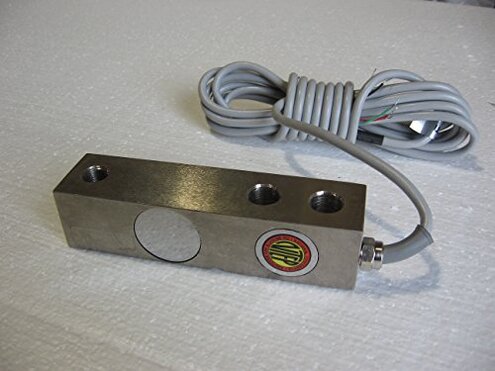
- Illustrative: “I thought it was a scale, not a welding project.” Primary pattern tied to setup shock.
- Illustrative: “Cheap at checkout, but not cheap after all the extra work.” Secondary pattern tied to value erosion.
- Illustrative: “The numbers worked better after redoing the platform.” Primary pattern tied to build-sensitive accuracy.
- Illustrative: “Support may help, but I still could not just send it back.” Edge-case pattern tied to return limits.
Who should avoid this
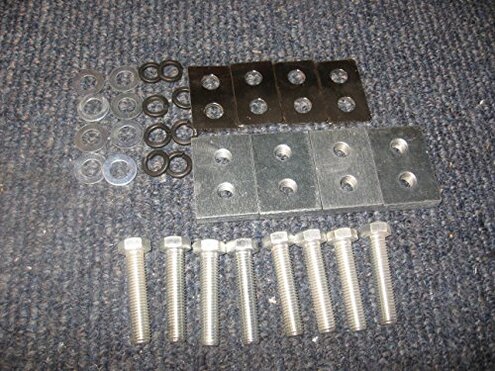
- Avoid it if you want a near-ready livestock scale, because the welding requirement exceeds normal assembly tolerance.
- Avoid it if you need dependable readings fast, because build quality can affect confidence more than with typical mid-range options.
- Avoid it if you do not have fabrication tools or local help, because the budget advantage can disappear quickly.
- Avoid it if you rely on easy returns as a backup plan, because this listing clearly reduces that safety net.
Who this is actually good for
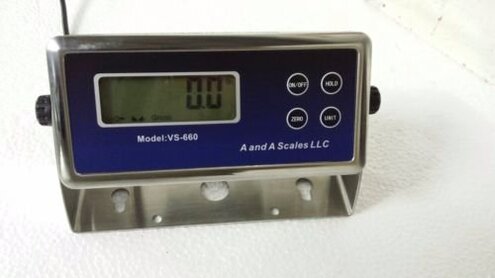
- Good fit for buyers who already weld and were planning to build a custom platform anyway.
- Good fit for hands-on users who accept calibration time in exchange for lower upfront cost.
- Good fit for farms with existing shop tools, where the setup burden is less painful than buying a finished scale.
- Good fit for experienced tinkerers willing to tolerate weaker return protection because they know the install demands.
Expectation vs reality
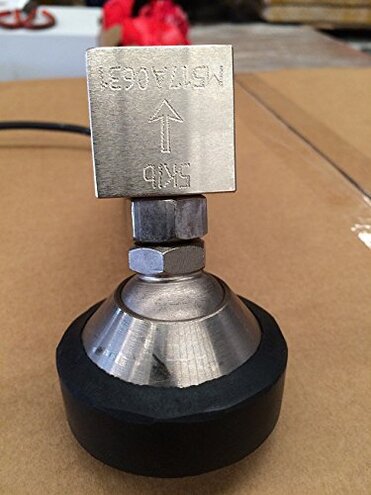
Expectation: a kit should save money with only moderate setup.
Reality: this kit can ask for more fabrication than many buyers reasonably expect, especially at first install.
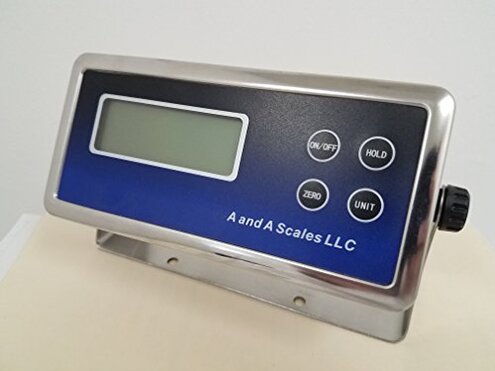
Expectation: once assembled, the display should make weighing feel straightforward.
Reality: confidence in readings can depend heavily on how well the platform and mounts were built.
Reasonable for this category: some calibration and setup effort are normal.
Worse-than-expected reality: the added welding step and non-returnable status raise the ownership risk above a typical mid-range alternative.
Safer alternatives
- Choose prebuilt if your main concern is hidden fabrication work, because factory-assembled scales reduce install surprises.
- Look for bolt-together designs if you want lower setup risk without needing welding tools.
- Prioritize return flexibility if you are unsure about fit, because that directly offsets the biggest purchase-lock risk here.
- Buy a platform-included package if accuracy confidence matters more than lowest upfront price.
- Check calibration workflow before buying, because easier setup helps reduce build-related reading problems.
The bottom line
The main regret trigger is buying this as a simple bargain and then learning it behaves more like a fabrication project. That exceeds normal category risk because setup quality strongly affects trust in the finished scale, and the non-returnable status limits your escape route. Verdict: avoid it unless you already wanted a custom-build livestock scale and have the tools to do it right.
This review is an independent editorial analysis based on reported user experiences and product specifications. NegReview.com does not sell products.