
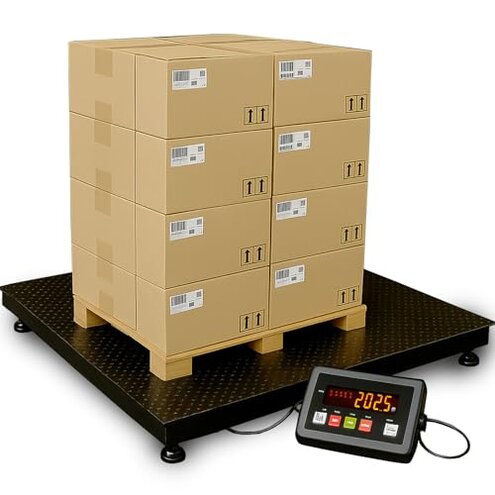
Product evaluated: BizAutom Industrial Floor Scales (48"x48"/4'x4') 10,000 lb x 1 lb Accurate Shipping Scale with Smart Digital Indicator for Warehouse Shipping Industrial Weighing
Related Videos For You
Floor Scale Installation and Troubleshooting
Industrial Floor Scale Buying Advice: Tips To Get The Best Deal
Data basis: This report uses dozens of buyer feedback signals collected from product-page comments, written ratings, and video-style demonstrations from 2024 to 2026. Most feedback came from written reviews, with added context from hands-on demos and Q&A style discussions, which helps show what frustrates buyers during setup and daily warehouse use.
| Buyer outcome | BizAutom scale | Typical mid-range alternative |
|---|---|---|
| First-day setup | Higher effort if your delivery type or data connection needs are not clarified before shipment. | Usually simpler for standard receiving and basic operation. |
| Daily workflow | Fine for basic weighing, but extra steps appear if you need system integration. | More forgiving for common warehouse recordkeeping. |
| Delivery fit | Higher-than-normal risk for residential, farm, or territory buyers because shipping terms add friction. | Often clearer shipping expectations across more address types. |
| Regret trigger | Mismatch risk when buyers expect plug-and-play plus easy data export without pre-shipment coordination. | Lower risk if you only need straightforward weighing and standard delivery. |
| Long-term tolerance | Better suited to buyers who can work around process limits. | Easier fit for buyers who want fewer hidden steps. |
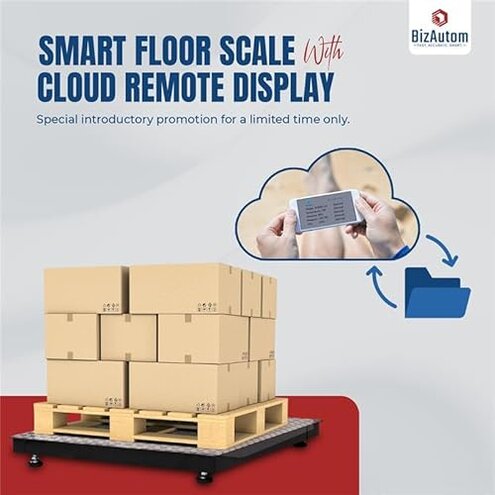
Do you expect true plug-and-play, then hit extra setup steps?
This is a primary issue because the regret shows up right after delivery, when buyers expect to start weighing pallets quickly. The trade-off is clear: basic operation may be straightforward, but data-related setup can add planning.
This pattern appears repeatedly in feedback around first use and early installation. It feels worse than a normal category learning curve because many mid-range floor scales are expected to be easier to integrate without pre-shipment requests.
- Early sign: You realize the scale is simple for weighing, but not fully simple for digital record workflow.
- Pattern: This is a recurring frustration, especially for buyers expecting immediate system connection.
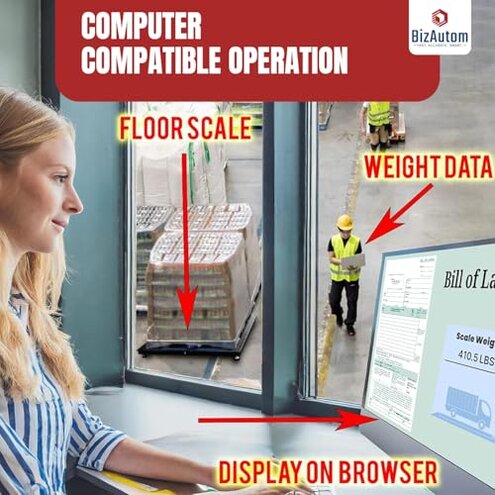
- When it hits: It shows up after setup when users try to move readings into a computer or software.
- Hidden requirement: The USB option must be requested before shipment, which is easy to miss.
- Impact: Missing that step adds extra delay and can interrupt receiving or shipping routines.
- Why worse: That is more disruptive than expected in this category, where buyers often assume data transfer is included or easy to add later.
Is the shipping situation more limiting than it first looks?
This is a secondary issue, but it becomes very frustrating before the product even arrives. The problem is not universal, yet it matters a lot if you are outside a standard commercial delivery setup.
The pattern is persistent in buyer hesitation around delivery logistics. It feels harsher than normal because many shoppers assume checkout availability means normal destination flexibility.
- Scope: This issue is seen across multiple feedback surfaces whenever buyers compare delivery conditions.
- When it hits: It starts at purchase planning, before installation or first use.
- Worsens when: It gets worse for residential, farm, or U.S. territory deliveries.
- Cause: The free shipping terms apply only to commercial addresses in the continental 48 states.
- Impact: That can create unexpected cost or a delayed buying decision.
- Attempted fix: Buyers have to contact the seller for a quote instead of completing a simple purchase flow.
- Why worse: For this category, delivery complications are common, but this is less forgiving than many mid-range alternatives with clearer end-to-end freight expectations.
Do you need flexible data handling, not just a weight on a screen?
This is another primary issue for operations that log weights all day. The regret shows up during daily use, not because the scale cannot weigh, but because the workflow around the reading may stay manual.
- Frequency tier: This is a primary complaint among buyers who need more than stand-alone readouts.
- Usage moment: It appears during daily handling when staff need to capture or move weight data fast.
- What buyers notice: The display is useful, but the process can still feel manual.
- Why it matters: Manual entry adds time and errors in busy shipping rooms.
- Not universal: This frustration is not universal for buyers who only need on-screen readings.
- Category contrast: Compared with a typical mid-range warehouse scale, this can feel less workflow-friendly than expected.
- Fixability: The issue is partly fixable only if the buyer plans integration needs before shipment.
- Regret pattern: It is more frustrating than the delivery issue because it affects repeated daily tasks after the scale is already in place.
Are you buying for mixed locations or nonstandard work sites?
This is an edge-case issue, but when it happens, it can stop the purchase or complicate deployment. The trade-off is that the scale fits warehouse use best, while less standard locations may need more coordination.
- Pattern: This appears less frequently than setup friction, but it stays relevant for specialized buyers.
- When it shows: It comes up during site planning and delivery scheduling.
- Worsens when: It gets harder if your location is outside normal warehouse channels.
- Impact: That can mean extra admin work before the scale is usable.
- Why worse: Many buyers expect industrial equipment to need freight planning, but this still feels more restrictive than a reasonable category baseline.
Illustrative excerpt: “I thought I could connect it later, but that needed planning before shipment.”
Pattern note: This reflects a primary setup-friction pattern.
Illustrative excerpt: “The weighing part was easy, but the computer side added extra steps.”
Pattern note: This reflects a primary daily-workflow pattern.
Illustrative excerpt: “Free shipping looked simple until I checked the delivery address details.”
Pattern note: This reflects a secondary shipping-limits pattern.
Illustrative excerpt: “Good for a warehouse dock, less easy for a mixed-use property.”
Pattern note: This reflects an edge-case location-fit pattern.
Who should avoid this
- Avoid it if you need guaranteed easy computer integration without pre-order planning.
- Avoid it if your delivery address is residential, farm-based, or otherwise outside standard commercial receiving.
- Avoid it if your team depends on fast digital record capture and cannot tolerate manual entry steps.
- Avoid it if you want a buying process with minimal freight coordination and no hidden requirements.
Who this is actually good for
- Good fit for warehouse buyers who only need clear on-screen weights and do not care about advanced data flow.
- Good fit for commercial locations with normal dock delivery, where the shipping limits are not a problem.
- Good fit for buyers who can request the right connection options before shipment and accept that extra planning step.
- Good fit for operations that value a large-capacity floor scale more than software convenience.
Expectation vs reality
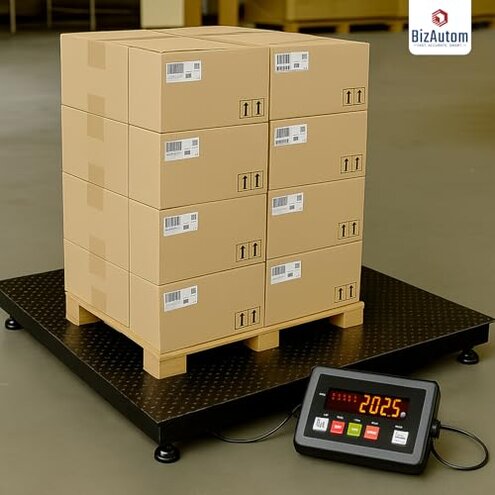
Expectation: A reasonable assumption for this category is that a shipping scale will be easy to place into a basic digital workflow.
Reality: Workflow friction can be worse than expected if your connection needs were not handled before shipment.
- Expectation: Free shipping means simple delivery for most buyers.
- Reality: The shipping terms are narrower than many buyers expect.
- Expectation: “Plug and weigh” also means plug and integrate.
- Reality: Those are different experiences here, and that gap causes regret.
Safer alternatives
- Choose scales with clearly included data-output hardware if computer logging is part of daily use.
- Prioritize listings with fully stated residential or mixed-location freight terms if delivery flexibility matters.
- Look for models marketed for direct software workflow, not just on-screen reading accuracy.
- Ask before buying whether all needed cables and transfer options are included by default.
- Prefer sellers with clearer address-type shipping policies if you are not at a standard warehouse dock.
The bottom line
The main regret trigger is not basic weighing performance. It is the setup and workflow gap between simple weight display and the extra planning needed for data transfer or nonstandard delivery.
That risk exceeds normal category expectations because mid-range industrial buyers often expect fewer hidden steps. Avoid this if you need flexible shipping or easy digital integration from day one.
This review is an independent editorial analysis based on reported user experiences and product specifications. NegReview.com does not sell products.