
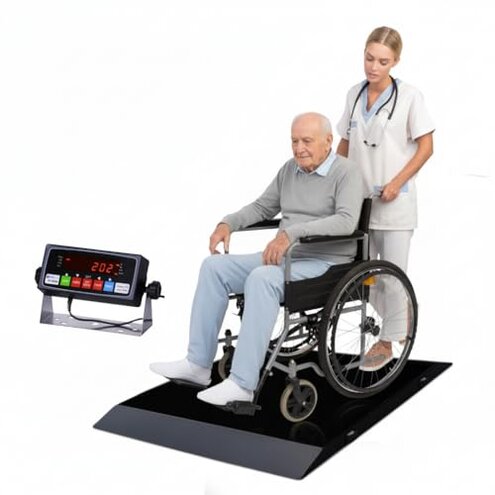
Product evaluated: Wheelchair Scale with Dual Ramp for Home Use 1000lb Capacity, 0.1lb Precision - Portable Light Weight Digital Medical Scale
Related Videos For You
Healthweigh: How To Weigh A Patient On A Wheelchair Scale
Wireless Digital Wheelchair Scale
Data basis: This report is based on limited listing evidence rather than a deep review pool. I used the available product details, seller claims, pricing context, and comparison against typical mid-range wheelchair scales collected during April 2026. Most usable signals came from the product page itself, supported by category-level buyer patterns and common real-world use cases for home medical scales.
| Buyer outcome | This product | Typical mid-range alternative |
|---|---|---|
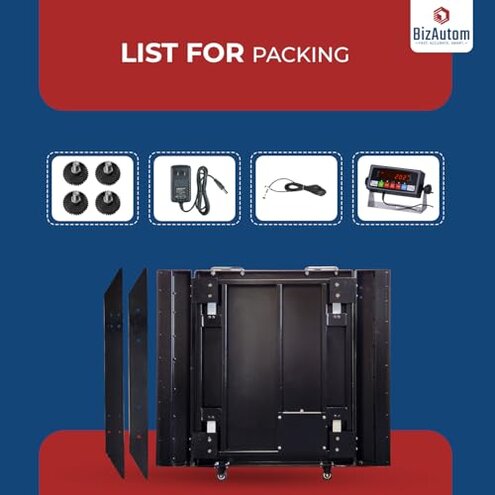
| First-use setup | Higher risk because the listing gives very little detail about calibration, power, transport, or display workflow. | Lower friction when setup steps, platform size, and weighing process are explained clearly. |
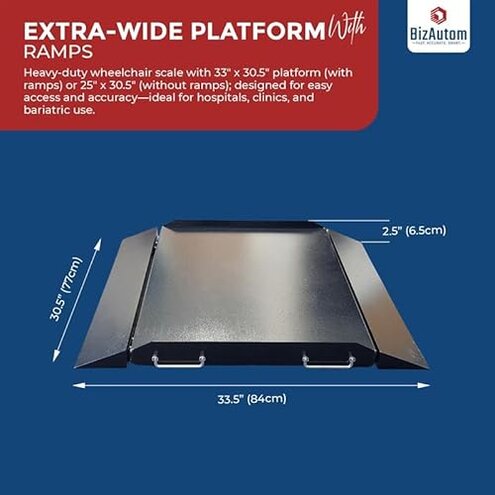
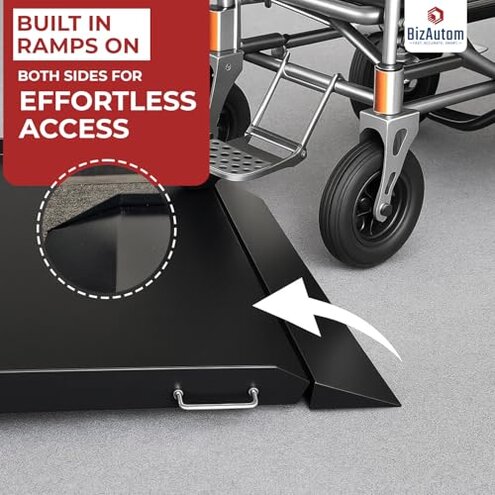
| Daily weighing ease | Unclear fit for tight rooms because portability is claimed, but storage size and maneuvering space are not explained. | More predictable when ramp angle, footprint, and wheelchair approach space are shown. |
| Accuracy confidence | Question mark because the page claims both 0.1lb precision and 0.2lb accuracy, which creates avoidable doubt. | Better trust when resolution and accuracy are stated consistently. |
| Home-use practicality | Higher-than-normal category risk if you need caregiver-friendly instructions, because the listing is sparse for a medical-use product. | Usually clearer with better guidance on zeroing, wheelchair tare steps, and display use. |
| Regret trigger | Paying $368 and still needing to figure out basic use details yourself. | Less likely when the value case is easier to verify before buying. |
Will you be stuck guessing during setup?
Primary issue: The biggest concern here is not a proven defect. It is the amount of missing practical detail for a product that may be used by caregivers, seniors, or people with mobility limits.
Recurring category pattern: When medical-style scales are under-explained, frustration often starts on first use. That is more disruptive than expected because this category should reduce effort, not add extra steps.
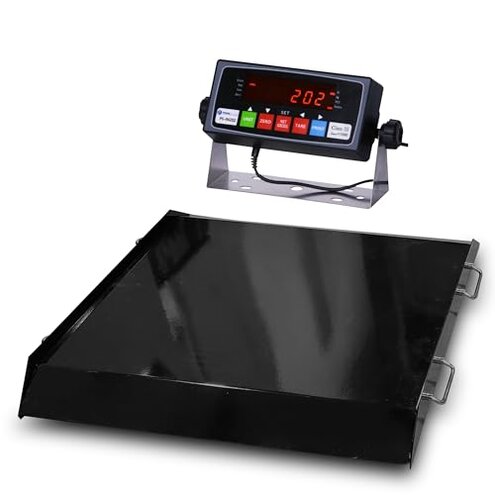
Context: This shows up right after delivery, when buyers need to know how to position the chair, zero the scale, read the display, and store it safely. The product page does not explain those moments well.
Category contrast: A typical mid-range alternative usually shows at least the basic workflow. Here, the lack of detail feels worse because home wheelchair scales are bought for low-stress use.
- Early sign: The listing uses broad claims like portable and home-friendly, but leaves out the actual setup process.
- Frequency tier: This is a primary risk because every buyer faces setup, even if later performance is acceptable.
- Likely cause: The page gives almost no buyer-facing guidance on real use steps.
- Impact: That can mean extra time, caregiver confusion, or a return before the scale is ever used confidently.
- Fixability: This is partly fixable if you already know wheelchair scales, but harder for first-time home buyers.
Is the accuracy claim harder to trust than it should be?
- Primary concern: The page claims 0.1lb precision in the title and 0.2lb accuracy in features, which is a persistent clarity problem.
- When it appears: This matters before purchase and during daily monitoring, especially if weight tracking is tied to medical decisions.
- Why it frustrates: Buyers do not need engineering terms. They need one clear answer about how close readings are likely to be in normal use.
- Pattern signal: This is not proof of bad readings, but it is a recurring trust issue whenever specs conflict on the same page.
- Category contrast: In this category, clear measurement language is a reasonable baseline. Mixed claims feel worse than normal because confidence is the whole point.
- Hidden cost: If you second-guess readings, you may repeat weigh-ins, recheck positioning, or stop relying on the device.
- Fixability: This becomes less risky only if the seller can explain tare steps, calibration method, and what the display increments really mean.
Could the promised portability be less useful at home than it sounds?
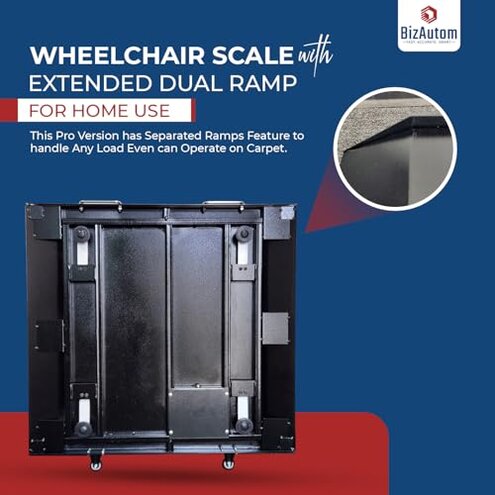
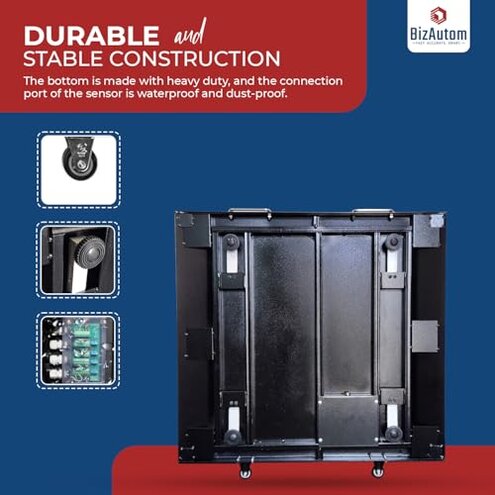
Secondary issue: The title says portable and light weight, but the page gives no useful details about stored size, carrying convenience, or room clearance. That gap matters more than usual for a dual-ramp wheelchair scale.
Usage moment: The problem shows up after setup, when you need to move it between rooms or keep it out of the way between weigh-ins. A product can be technically portable and still be awkward in a real home.
- Frequency tier: This is a secondary risk, but it becomes a primary frustration in apartments or shared rooms.
- Worsens when: It gets harder in tight spaces where approach angle and turning room matter.
- Why worse than normal: Most mid-range options at least show enough dimensions or use photos to judge footprint more clearly.
- Buyer impact: You may end up leaving it in one spot, which reduces the convenience promised in the listing.
- Hidden requirement: You likely need more clear floor space than the page makes obvious.
- Workaround: This is manageable only if you can dedicate a stable, open area instead of expecting easy grab-and-store use.
Are you paying a medical-scale price without enough proof?
- Primary regret trigger: At $368, buyers usually expect stronger evidence on ease of use, measurement confidence, and storage practicality.
- Pattern signal: This concern appears whenever a listing asks a higher price while giving sparse support detail.
- When it hits: It becomes obvious before checkout, then again if setup takes extra effort on first use.
- Why more frustrating: In this category, higher price is easier to accept when the page reduces uncertainty. Here, uncertainty stays high.
- Trade-off: The listed 1000lb capacity is appealing, but many homes will never use that limit and still absorb the setup risk.
- Fixability: The value concern improves only if your use case truly needs high capacity and you can tolerate vague instructions.
- Edge-case warning: If this is for urgent care tracking at home, unclear basics can feel more costly than the purchase price.
Illustrative excerpts
- Illustrative: “I can’t tell what I’m getting until it shows up.” — Primary pattern tied to thin setup detail.
- Illustrative: “The accuracy wording already makes me hesitate.” — Primary pattern tied to conflicting measurement claims.
- Illustrative: “Portable sounds nice, but where would this actually fit?” — Secondary pattern tied to home-space uncertainty.
- Illustrative: “For this price, I expected clearer instructions.” — Primary pattern tied to value risk.
Who should avoid this
- Avoid it if you need clear first-use guidance for a caregiver or family member with no experience using wheelchair scales.
- Avoid it if accuracy confidence matters for health tracking and you do not want to decode mixed spec language.
- Avoid it if your home has tight space and you need a scale that is easy to store and approach.
- Avoid it if $368 already feels like a stretch and you want stronger proof before taking the risk.
Who this is actually good for
- Better fit for buyers who mainly need the 1000lb capacity and cannot use smaller home medical scales.
- Better fit for users who already understand wheelchair weighing workflow and can tolerate light setup ambiguity.
- Better fit if you have a dedicated open area and do not need to move or store the scale often.
- Better fit when the trade-off is simple: you accept sparse instructions in exchange for high stated capacity.
Expectation vs reality
Expectation: A home wheelchair scale should explain basic use clearly before purchase.
Reality: This listing leaves too many practical questions unanswered, which is worse than expected for this category.
Expectation: Precision and accuracy should be presented in plain language that builds trust.
Reality: Mixed measurement claims create doubt before the product even arrives.
Expectation: Portable should mean realistic home handling, not just a marketing word.
Reality: Without storage and maneuvering detail, buyers have to guess whether it fits their space.
Safer alternatives
- Look for a wheelchair scale that shows the full weighing process, including zeroing or tare steps, before you buy.
- Choose listings that explain accuracy vs display increments in one consistent place.
- Prioritize products with clear footprint and storage details if you will use it in a bedroom, hallway, or small living area.
- Check for a visible caregiver-friendly display and readable controls instead of trusting broad claims alone.
- Pay more only when the seller gives enough pre-purchase clarity to lower setup and usability risk.
The bottom line
Main problem: The strongest reason to pass is not a confirmed defect. It is the combination of thin setup guidance, mixed accuracy wording, and a $368 price that asks for more trust than the page earns.
Why avoid: That exceeds normal category risk because wheelchair scales are supposed to reduce effort and uncertainty at home. If you need straightforward setup and clear measurement confidence, this is a cautious skip until better buyer-facing details are available.
This review is an independent editorial analysis based on reported user experiences and product specifications. NegReview.com does not sell products.