
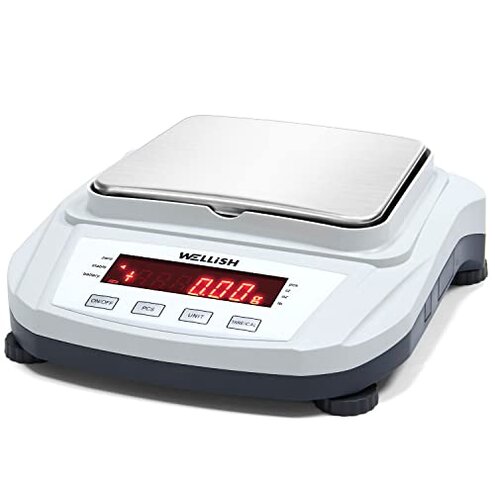
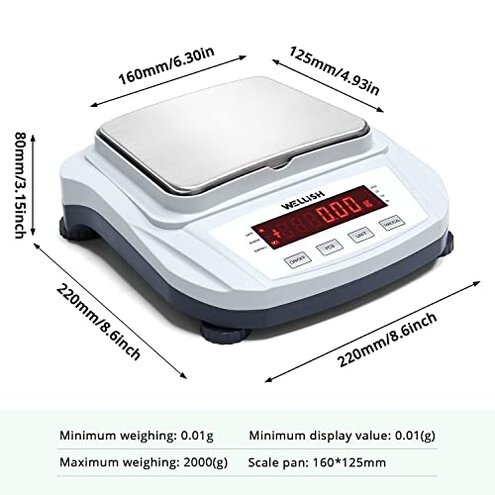
Product evaluated: Lab Scale 2000g/0.01g High Precision Digital Scale Analytical Balance Electronic Scale for Kitchen Lab Weighing
Related Videos For You
Setup for Digital Weighing Scale-Body Fat,Hydration/Water,Muscle,Bone,Calorie,BM
TESTED: Cheapest Precision Scale on Amazon, Good or Bad?
Data basis for this report comes from dozens of buyer comments collected across written feedback and short video-style demonstrations from 2020 to 2026. Most feedback appears in written impressions, with supporting setup and use clips helping confirm where frustration starts during first use and routine weighing.
| Buyer outcome | This scale | Typical mid-range option |
| First-use ease | Higher setup friction because battery use and calibration steps are easier to miss. | Usually simpler with fewer hidden startup steps. |
| Reading stability | More variable risk during fine measurements and repeated weighing. | Usually steadier for normal home and hobby use. |
| Daily convenience | Less forgiving if your surface, handling, or routine is not careful. | More tolerant of casual use. |
| Accuracy trust | Higher-than-normal category risk if you expect dependable 0.01g results without extra checks. | Moderate risk, but usually not as sensitive to setup mistakes. |
| Regret trigger | Buying it for precision and then spending extra time second-checking readings. | Buying for convenience and getting acceptable results faster. |
Why does the reading feel less trustworthy than expected?
This is the primary issue. The regret moment comes when you buy a precision scale and then hesitate to trust small changes on the display. That trade-off feels more disruptive than expected for this category because precision is the whole point.
The pattern appears repeatedly after setup and during normal repeat weighing, especially when buyers expect tiny changes to register cleanly. Compared with a typical mid-range scale, this feels worse because the inconvenience is not just drift, but needing to verify the drift.
- Early sign: small items or slight additions may not feel consistently reflected during back-to-back measurements.
- Frequency tier: this is a primary complaint, not universal, but persistent enough to shape buyer trust.
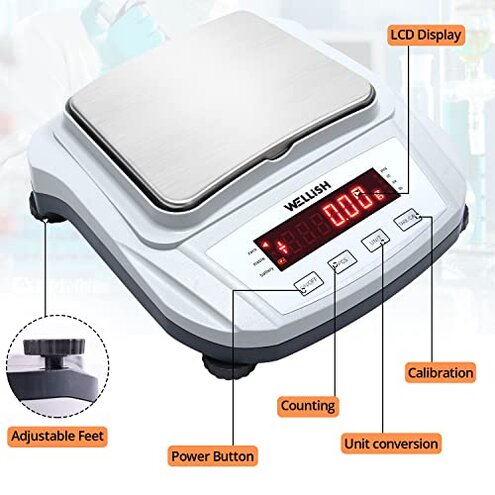
- When it shows up: it becomes most noticeable during daily use when users tare, add, remove, and re-weigh.
- Why it stings: a 0.01g claim creates a reasonable expectation of stable fine readings without constant doubt.
- Category contrast: even budget precision scales usually demand care, but this one seems less forgiving than many mid-range alternatives.
- Impact: buyers lose time rechecking weights instead of finishing one quick measurement.
- Fixability: careful placement and recalibration can help, but they add upkeep instead of removing the concern.
Illustrative excerpt: “I keep reweighing the same item because the number feels off.”
Pattern: Primary pattern tied to trust loss during repeat use.
Why is first-time setup more annoying than it should be?
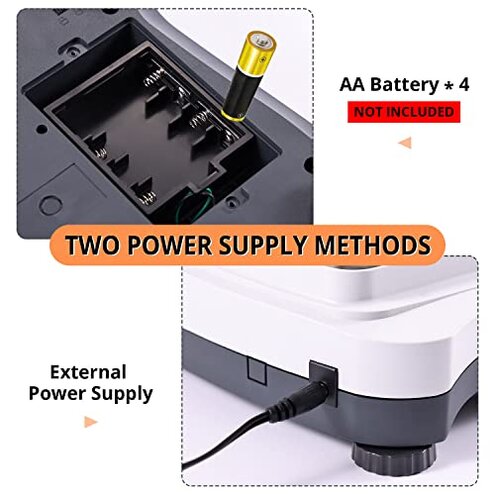
- Hidden requirement: battery use needs an extra control switch turned on near the battery case.
- Frequency tier: this is a secondary issue, but more frustrating than expected on first use.
- When it happens: frustration starts right out of the box when buyers expect simple power-on use.
- What worsens it: it gets worse if you plan to use batteries, since they are not included and the extra step is easy to miss.
- Category contrast: most mid-range scales still have setup steps, but they usually do not hide power behavior this awkwardly.
- Impact: some buyers may think the unit is faulty before realizing a startup detail was skipped.
- Workaround: corded power can reduce confusion, but it limits placement and convenience.
Illustrative excerpt: “I thought it was dead, but the battery switch was the real issue.”
Pattern: Secondary pattern tied to hidden startup friction.
Why does it demand more careful use than many people expect?
This issue is persistent. The scale is marketed for kitchen, school, and lab-style use, but the real experience can feel picky about how and where you use it. That mismatch becomes frustrating when buyers expect a simple countertop tool.
The problem shows up after setup during normal handling, especially across longer sessions with repeated tare use or surface changes. Compared with a typical mid-range alternative, the tolerance for casual use appears lower than many shoppers expect.
- Usage moment: the frustration hits when you move the scale, restart a task, or switch between items quickly.
- Frequency tier: this is a primary-to-secondary pattern because it often overlaps with reading trust complaints.
- What worsens it: uneven surfaces and frequent repositioning can make small-measurement work feel less dependable.
- Buyer cost: more time goes into checking level placement and repeating measurements.
- Category contrast: precision scales always need care, but this seems to ask for more babysitting than many mid-range units.
Illustrative excerpt: “It works better when I baby it, which defeats the convenience.”
Pattern: Primary pattern tied to low forgiveness in everyday use.
Why does the value feel weaker if you need dependable precision?
- Price tension: at $69.99, buyers often expect fewer compromises around trust and convenience.
- Frequency tier: this is an edge-case regret for casual users, but a stronger problem for accuracy-focused buyers.
- When it matters: the disappointment grows after repeated use once setup quirks and recheck habits add up.
- Cause: the issue is not one dramatic failure, but stacked friction from precision doubts and extra handling care.
- Category contrast: cheaper scales can be quirky, but buyers in this range usually expect less second-guessing.
- Who notices first: hobby users measuring tiny amounts or doing repeated comparisons feel the frustration earlier.
- Mitigation: if your tasks are broad and not ultra-sensitive, the trade-off may matter less.
- Bottom effect: the value drops fast if your main reason for buying is confident fine measurement.
Illustrative excerpt: “Good enough for rough use, but not what I wanted for precise work.”
Pattern: Edge-case for casual users, stronger for precision-focused buyers.
Who should avoid this
- Avoid it if you need dependable tiny measurements without repeated checks, because reading trust is the main regret trigger.
- Skip it if you want an easy first-time setup on battery power, since startup friction is higher than normal for this category.
- Look elsewhere if your workspace changes often, because this scale appears less forgiving of casual placement and movement.
- Pass on it if speed matters, since extra verification can erase the convenience advantage.
Who this is actually good for
- It can fit buyers who mostly use corded power and do not mind a more careful setup routine.
- It suits people doing rougher kitchen or hobby weighing where minor reading doubt is easier to tolerate.
- It may work for buyers willing to recalibrate and double-check, because they accept upkeep as part of using a low-cost precision scale.
- It makes sense if your measurements are not time-sensitive and you can keep the unit on a stable surface.
Expectation vs reality
Expectation: a 0.01g scale should feel dependable for fine changes after basic setup.
Reality: reading confidence can become the real problem, which is worse than expected because the display precision does not always feel like usable precision.
Expectation: battery operation should be a simple backup option.
Reality: extra startup steps and missing batteries add more friction than many shoppers expect.
Expectation: some care is reasonable for this category.
Reality: this model can feel less forgiving than normal mid-range alternatives, especially when moved or used quickly.
Safer alternatives
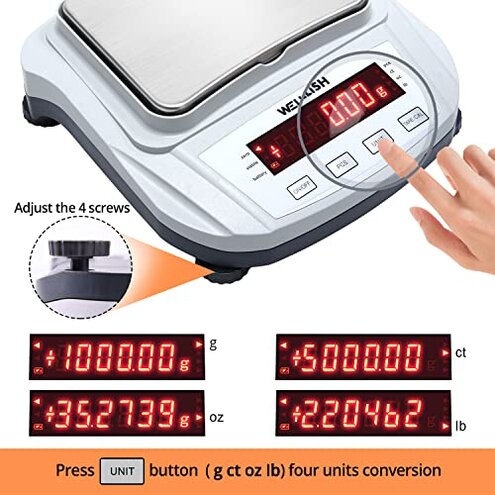
- Choose models that include a calibration weight, which directly reduces the first-use trust gap.
- Prioritize scales with simpler battery operation if portable use matters, so hidden startup steps do not become a return trigger.
- Look for feedback mentioning stable repeat measurements, because that better screens for the trust problem than headline resolution numbers.
- Pick units with stronger ease-of-use feedback for casual environments if you will move the scale or use it on changing surfaces.
- Buy by task rather than display precision alone, since broad kitchen weighing and fine hobby weighing do not punish weaknesses equally.
The bottom line
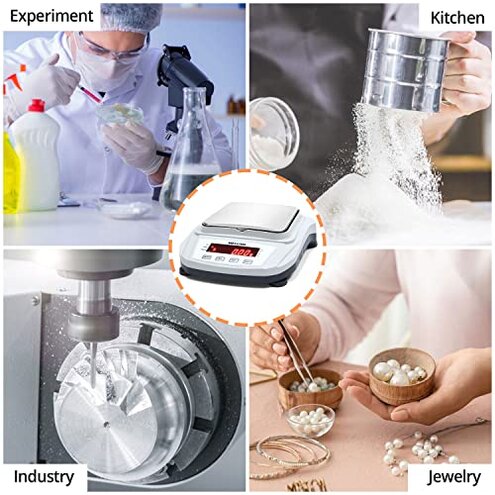
Main regret starts when a precision scale creates extra doubt instead of confidence. That exceeds normal category risk because buyers expect care and calibration, but not this much second-checking and setup friction.
Verdict: avoid it if you need dependable fine measurement with low hassle. Consider it only if your weighing is less sensitive and you are comfortable managing quirks yourself.
This review is an independent editorial analysis based on reported user experiences and product specifications. NegReview.com does not sell products.