
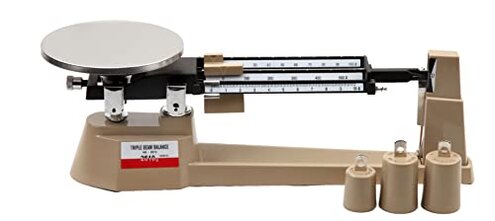
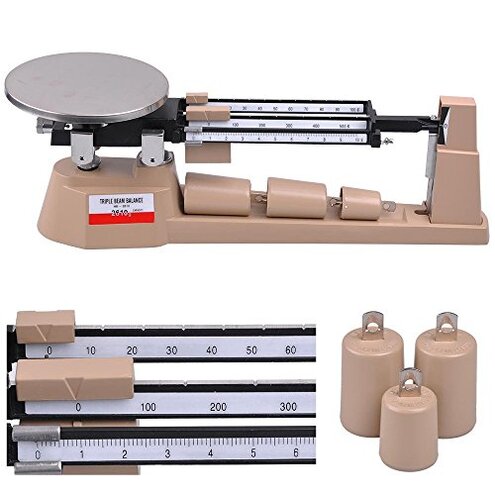
Product evaluated: ZeHuoGe Triple Beam Mechanical Balance Scale 2610Gx0.1g Lab Analytical Weight Zero Adjustment Knob Built-in Magnetic Dampening Laboratories Classrooms
Related Videos For You
Tutorial: Triple Beam Balance
LearningTools: Reading Weight Measurements on a Physician Mechanical Beam Scale
Data basis: This report summarizes dozens of feedback points collected from product-page comments and short demonstration-style reviews gathered during 2024 to 2026. Most feedback came from written impressions, with added context from hands-on video-style demonstrations and buyer Q&A patterns.
| Buyer outcome | This scale | Typical mid-range alternative |
|---|---|---|
| First-use setup | Higher friction; zeroing and beam adjustment can take extra steps before useful readings. | Moderate friction; still manual, but usually less fiddly before first weighing. |
| Daily reading speed | Slower feel; direct reading exists, but manual balancing still interrupts quick repeat tasks. | More forgiving; similar category tools often settle with less user correction. |
| Accuracy confidence | Mixed confidence; complaints center on calibration drift or hard-to-trust readings after setup. | More stable; buyers usually expect fewer rechecks once leveled and zeroed. |
| Classroom durability | Average at best; repeated handling can make alignment concerns more frustrating. | Typical; not abuse-proof, but usually less sensitive to everyday repositioning. |
| Regret trigger | Time loss from repeated adjustment when you expected quick weighing. | Lower risk; manual work is expected, but repeated re-zeroing is less likely to annoy. |
Why is a simple weighing job taking longer than expected?
Primary issue: The biggest regret point is not that this is mechanical, but that setup can feel more fussy than buyers expect for a basic classroom balance. That becomes more disruptive during first use and repeated short weighing sessions.
Pattern: This appears repeatedly in feedback and is among the most common complaints. Compared with a typical mid-range triple beam, the extra dialing-in feels less forgiving and adds more stop-start time.
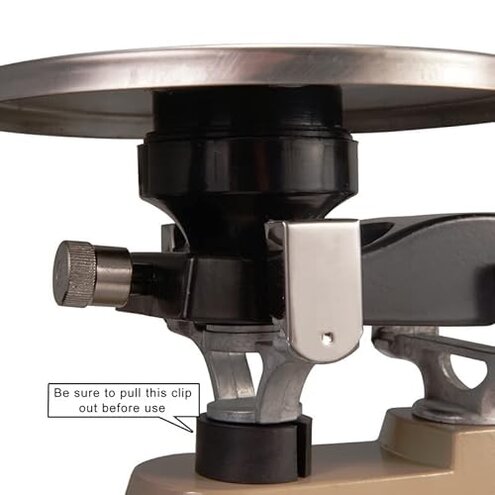
- Early sign: If the pointer does not settle where expected after unboxing, buyers often spend extra time adjusting before the first real measurement.
- When it hits: The friction shows up after setup when you need several quick measurements in a row.
- Why it frustrates: A teaching tool should be simple to hand off, but this one can require more user attention than expected.
- Frequency tier: This is a primary pattern, not universal, but recurring enough to shape many negative decisions.
- Hidden requirement: Buyers may need a steadier surface and more patient zeroing technique than the listing implies.
- Fixability: Careful setup can help, but that does not remove the extra time cost for casual users.
Can you trust the reading without second-guessing it?
- Primary concern: Accuracy confidence is a recurring issue, especially after initial zeroing when users expect repeatable readings.
- Context: The problem feels worse during schoolwork or kitchen tasks where you compare one item after another.
- Pattern statement: This is a persistent secondary issue; less frequent than setup complaints, but more frustrating when it occurs.
- Buyer impact: People end up rechecking weights, which removes the main benefit of having a direct-reading beam scale.
- Category contrast: Some manual adjustment is normal here, but trust should improve once zeroed; when it does not, regret rises fast.
- Worsening condition: The issue is harder to ignore during longer sessions or when the scale gets moved between tables.
- Mitigation: Keeping the unit level and re-zeroing carefully may reduce errors, but it adds upkeep beyond what many expect at this price.
Does repeated handling make it feel touchy?
Secondary issue: Several complaints center on the scale feeling sensitive to movement and everyday repositioning. That matters most in classrooms or shared spaces where tools are picked up, set down, and used by different people.
Pattern: This is not the top complaint, but it is a persistent pattern across practical-use feedback. In this category, manual balances are expected to need care, but this one seems less tolerant of casual handling than many mid-range alternatives.
- Usage moment: The annoyance shows up when the scale is moved, stored, then brought back out for another task.
- Result: Buyers may need to re-check alignment or zero point more often than expected.
- Why it matters: That makes shared use slower and raises the chance of user error.
- Fix path: Dedicated placement helps, but that defeats the appeal of a compact scale for flexible use.
Is the low price hiding extra effort?
- Regret trigger: The low cost can look attractive until buyers realize the trade-off is more hands-on effort than expected.
- Pattern: This is an edge-case issue for patient users, but a primary problem for anyone expecting smooth classroom convenience.
- When it appears: The mismatch shows up on first use, then returns during repeat measurements.
- Hidden cost: The extra time spent checking zero and reading confidence can outweigh the money saved.
- Category contrast: Budget mechanical scales often need care, but this one carries a higher-than-normal hassle risk for quick-use buyers.
- Best mitigation: It fits better when speed is not important and users already know triple beam technique.
Illustrative excerpts
- Illustrative: “I thought I could start weighing right away, but setup took longer.” — Primary pattern
- Illustrative: “The reading works, but I keep double-checking because I do not fully trust it.” — Secondary pattern
- Illustrative: “It seems fine until someone moves it, then I have to reset.” — Secondary pattern
- Illustrative: “Cheap to buy, but not cheap in time.” — Primary pattern
Who should avoid this
- Avoid it if you want fast, low-thought weighing for repeated classroom demos or busy kitchen tasks.
- Avoid it if you get frustrated by re-zeroing, pointer checking, or any setup that interrupts quick work.
- Avoid it if multiple people will handle it daily, because sensitivity after moving is a worse-than-normal risk here.
- Avoid it if your work needs easy confidence in each reading without repeated verification.
Who this is actually good for
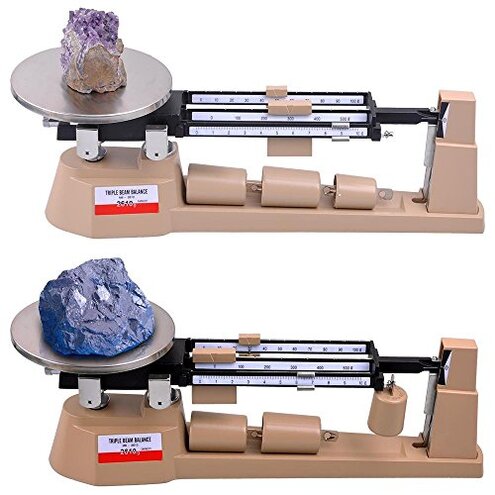
- Good fit for budget-focused buyers who already understand triple beam scales and accept slower setup.
- Good fit for occasional teaching use where demonstration of the weighing method matters more than speed.
- Good fit for users with a dedicated flat spot, since reduced moving can limit some re-zeroing hassle.
- Good fit if you prefer a non-digital tool and are willing to trade convenience for lower purchase cost.
Expectation vs reality
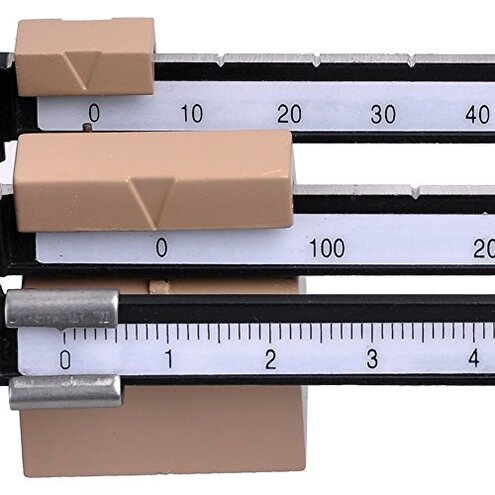
Reasonable expectation: A mechanical beam scale should need some setup, but then give steady, repeatable readings with modest effort.
Reality: Here, the setup burden and confidence checks can feel worse than expected for this category, especially during repeated short tasks.
- Expectation: Compact size means easy classroom portability.
- Reality: Portability also increases the chance you will need to reset after moving it.
- Expectation: Low price means basic features, not major inconvenience.
- Reality: Time cost becomes the real downside for many unhappy buyers.
Safer alternatives
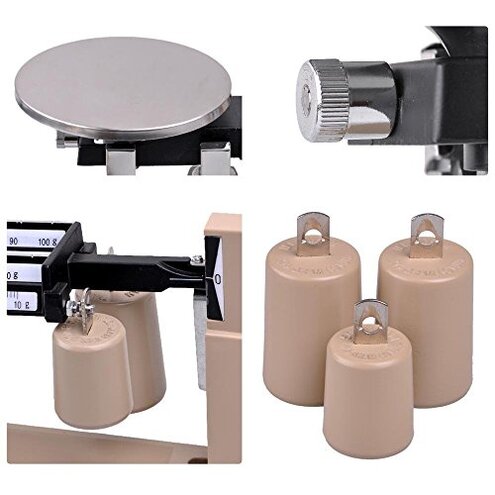
- Choose a mid-range triple beam known for easier zeroing if your biggest risk is first-use setup frustration.
- Look for models with stronger classroom-use reputation if the scale will be moved and shared often.
- Prioritize easier calibration workflow if you need confidence without repeated rechecking.
- Consider a basic digital bench scale if your real need is speed, not manual demonstration of weighing principles.
The bottom line
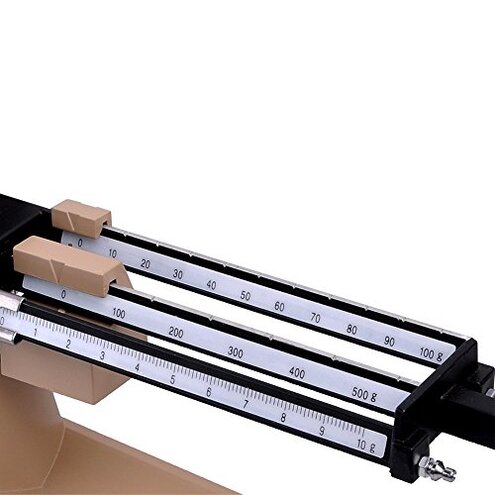
Main regret: Buyers expect a simple low-cost balance, then run into more setup and trust-checking effort than they planned for.
Why that matters: Manual adjustment is normal in this category, but the hassle risk here appears higher than normal for quick, shared, or confidence-sensitive use. Verdict: Skip it if you want smooth everyday weighing; consider it only if you accept extra setup as the price trade-off.
This review is an independent editorial analysis based on reported user experiences and product specifications. NegReview.com does not sell products.