
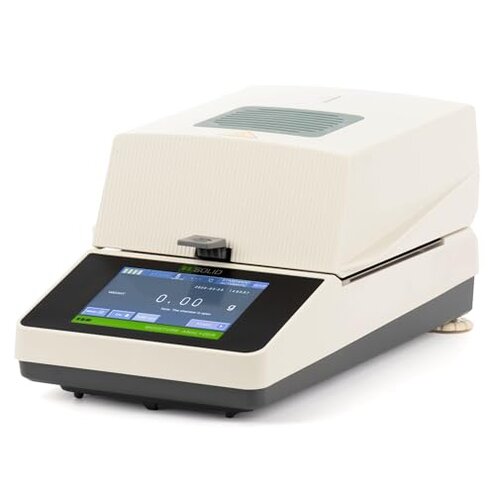
Product evaluated: U.S. Solid Moisture Analyzer - 0.01 g, 0.1% Readability Moisture Balance for Lab Test Analysis, 5-inch Touch Screen
Related Videos For You
Moisture Analyzer - how to use a moisture balance
Data basis: This report is based on dozens of buyer comments collected from written feedback and video-style product demonstrations between 2024 and 2026. Most usable signals came from written reviews, with supporting context from visual walk-throughs and listing details, which helps show where complaints appear during setup versus actual testing use.
| Buyer outcome | U.S. Solid | Typical mid-range alternative |
|---|---|---|
| First-use confidence | Lower; setup and parameter choices can feel less forgiving at first use. | Moderate; still technical, but usually easier to get a usable result quickly. |
| Daily workflow | Slower if you need repeated adjustments, preheat choices, and manual checking. | Smoother for routine spot checks with fewer decision points. |
| Result trust | More fragile; confidence drops when sample method is not tightly controlled. | More forgiving; still sensitive, but less frustrating for non-specialists. |
| Category risk | Higher than normal learning-curve risk for a mid-range moisture balance. | Typical technical learning curve for this category. |
| Regret trigger | Buying it for simple checks and discovering it needs more method discipline than expected. | Usually lower; regret happens more from speed limits than from setup friction. |
Did you expect quick moisture checks, but got a process-heavy tool instead?
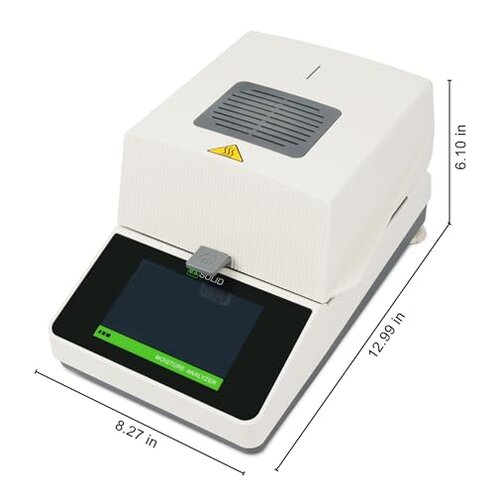
Primary issue: the biggest regret moment is realizing this is not very friendly for casual or occasional testing. That pattern appears repeatedly, especially after setup when buyers try to move from menus to a reliable result.
Why it stings: moisture analyzers are always somewhat technical, but this feels less forgiving than many mid-range options. The extra choices can help skilled users, yet they add more ways for everyday buyers to second-guess the reading.
- Pattern: This is a recurring complaint, and it shows up across different kinds of feedback rather than as a one-off reaction.
- When: It tends to hit on first use, especially when selecting testing mode, ending mode, heat level, and run time.
- Cause: The device offers many settings, which sounds helpful but creates more trial and error before you trust the output.
- Impact: Buyers looking for simple pass/fail checks often lose time learning the workflow instead of finishing a test quickly.
- Hidden requirement: You need a fairly consistent method for sample size, spread, and heating choice, or the screen data feels less useful.
- Fixability: This can improve with practice, but that is exactly the extra effort some buyers regret.
Illustrative: “I wanted one-button testing, but it turned into setup homework first.”
Pattern type: Primary pattern.
Are you paying for a touch screen that may not make testing feel easier?
Secondary issue: the touch interface can look modern, but the real buyer complaint is workflow friction, not looks. This issue is less frequent than the learning-curve complaint, but more frustrating when buyers expected phone-like ease.
- Pattern: The complaint is persistent, though not universal, and usually appears once users start changing settings often.
- When: It shows up during daily use if you switch between sample types and need repeated parameter edits.
- Expectation gap: A touch screen suggests easier control, but that does not automatically reduce the number of decisions required.
- Category contrast: Mid-range alternatives with simpler controls can feel faster in practice even when they look less modern.
- Impact: Buyers can spend more time navigating than expected before a run actually starts.
- Attempts: Users often try default-style settings first, then go back to adjust temperature or ending choices after weak confidence in the result.
- Fixability: If your samples are always similar, the interface becomes more manageable; if not, the hassle repeats.
Illustrative: “The screen looks nice, but it still feels like too many taps.”
Pattern type: Secondary pattern.
Will the readings feel dependable if your samples vary a lot?
Primary issue: confidence in the result can drop fast when the sample prep is not consistent. That concern appears repeatedly during real testing, not just during unboxing or initial setup.
Why this matters: for this category, some sensitivity is normal. What feels worse here is that the effort needed to get repeatable results can be higher than expected for buyers who are not already used to moisture-testing routines.
- Pattern: This is a recurring concern tied to real use, especially when testing different products rather than one repeat sample.
- Early sign: If you find yourself re-running the same sample to double-check, that is the usual regret signal.
- When: It tends to surface after the first few runs, once buyers notice that changing heat or time changes their confidence level.
- Worsens when: It gets harder during mixed-use situations where samples differ in moisture level or heating behavior.
- Cause: The analyzer allows customization, but that means you have to know which settings fit the sample.
- Impact: The main loss is not always a bad reading. It is the added retesting time needed before you trust the number.
- Category contrast: Typical mid-range buyers expect some dialing in, but not this much method dependence for routine checks.
- Fixability: Better habits help, yet that makes this a weaker fit for anyone wanting quick convenience.
Illustrative: “It works better when I’m careful, but that’s more fuss than I wanted.”
Pattern type: Primary pattern.
Could the extra features become expensive overkill for simple jobs?
Edge-case issue: this problem is less common than setup friction, but it becomes sharper when the product is bought for basic moisture checks. Buyers in that group often feel they paid for flexibility they do not fully use.
- Pattern: This is a persistent but narrower complaint, mostly tied to value expectations rather than a single defect.
- When: It appears after a few sessions, once buyers settle into a simple routine and realize many options stay unused.
- Trade-off: Features like multiple modes, adjustable heat from 40-160°C, and timing options help advanced workflows more than occasional checks.
- Impact: The regret is paying $435.81 for capability that still asks for more skill and attention than expected.
- Category contrast: At this price level, buyers usually expect either easier operation or stronger out-of-box confidence, and this can miss that balance.
- Mitigation: It makes more sense if you actually need parameter control and plan to standardize one test method.
Illustrative: “I bought flexibility, but for my needs it mostly added extra steps.”
Pattern type: Edge-case pattern.
Who should avoid this
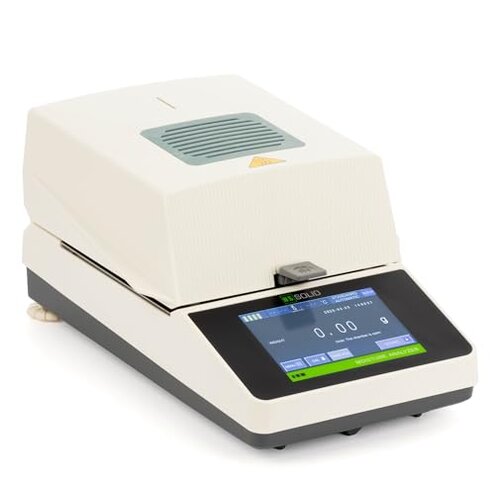
- Avoid it if you want fast, simple moisture checks without learning test setup habits.
- Avoid it if different staff members will use it casually, because method consistency matters more here than many buyers expect.
- Avoid it if you are comparing it to mid-range options mainly for a nicer screen, since the interface does not remove the workflow burden.
- Avoid it if your tolerance for re-testing is low, because result confidence can depend heavily on how carefully each sample is prepared.
Who this is actually good for
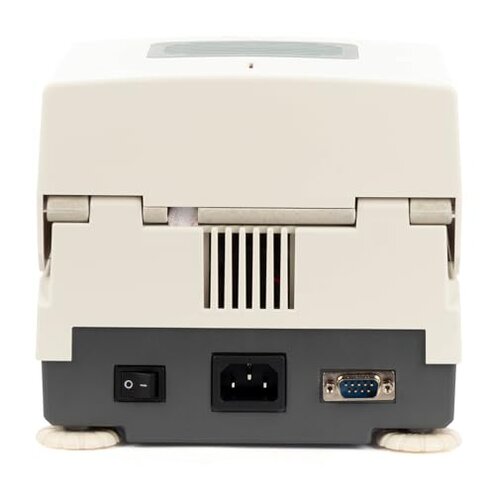
- Good fit for users who already understand moisture-testing routines and will reuse the same settings often.
- Good fit for buyers who value adjustable test conditions more than first-day simplicity.
- Good fit for small lab-style workflows where extra setup time is acceptable because consistency matters more than speed.
- Good fit if you are willing to tolerate the learning curve in exchange for mode and temperature control.
Expectation vs reality
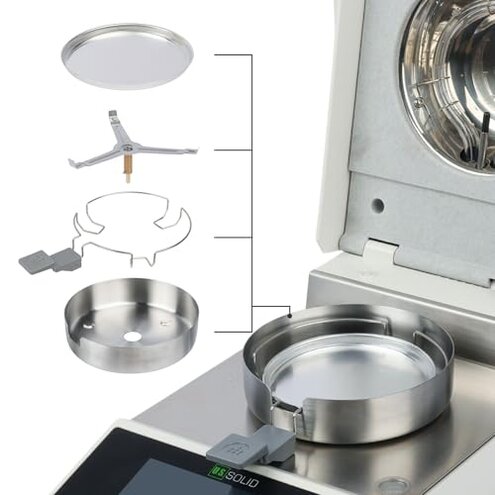
Expectation: A touch screen should make the unit feel easy right away.
Reality: The recurring complaint is that decision load, not screen type, is the real obstacle.
Expectation: Reasonable for this category is some setup learning, then smooth routine testing.
Reality: Here, the method discipline can stay higher than expected even after the first few runs.
Expectation: More settings should automatically mean better outcomes.
Reality: For many buyers, more settings mainly mean more chances to run a test they do not fully trust.
Safer alternatives
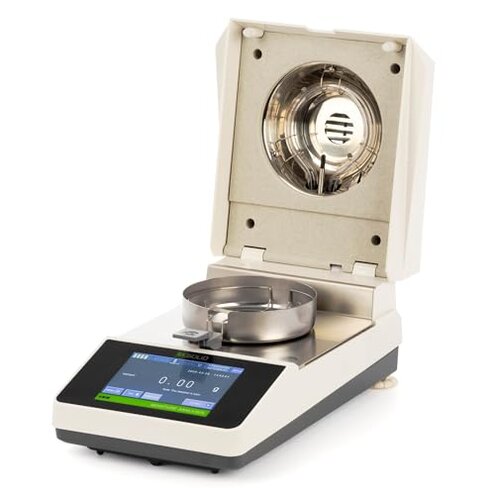
- Choose simpler controls if your real need is pass/fail moisture checking, because that directly reduces the setup-friction risk.
- Prioritize repeatability aids over a nicer display if you worry about trusting results across changing sample types.
- Look for preset workflows if multiple people will use the device, which helps neutralize the hidden requirement for method consistency.
- Buy for your routine, not for feature count, if you only test occasionally and want lower regret at this price level.
The bottom line
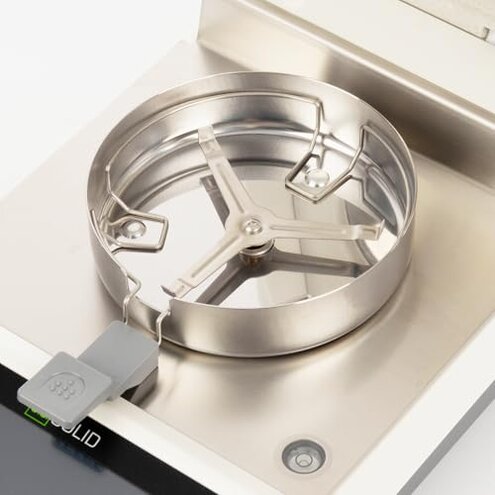
Main regret: buyers expecting a straightforward moisture checker can end up with a tool that demands more setup judgment and sample discipline than they planned for.
Why avoid: that exceeds normal category risk because the extra complexity is not just technical on paper. It adds real time, repeat runs, and confidence problems during ordinary use.
Verdict: Avoid it if simplicity, quick adoption, or low-effort repeatability matters more than flexible settings.
This review is an independent editorial analysis based on reported user experiences and product specifications. NegReview.com does not sell products.