
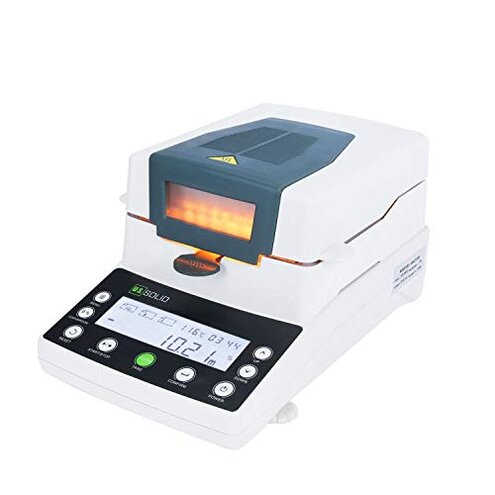
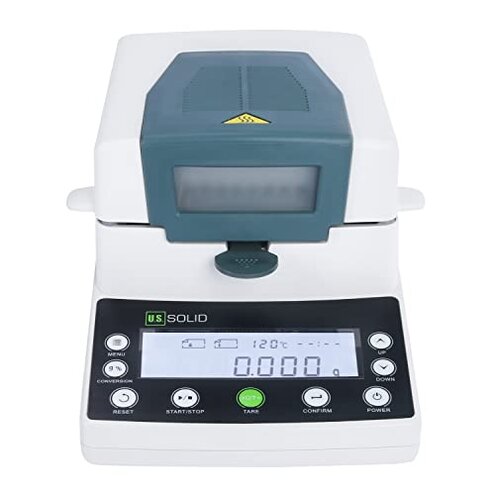
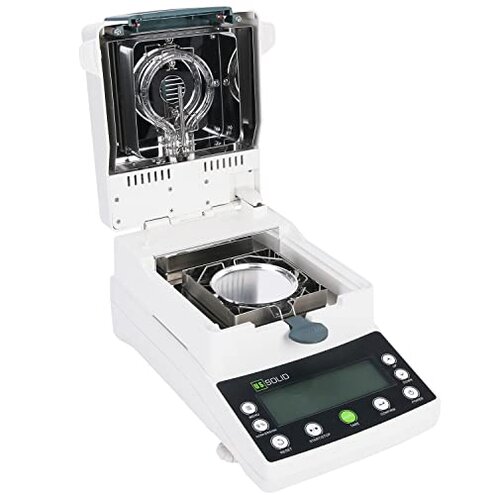
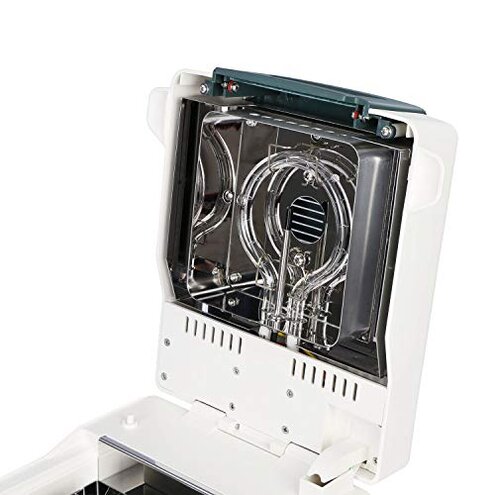
Product evaluated: U.S. Solid Moisture Analyzer - 0.1% Readability, 110 g x 5 mg USS-HMA01 Moisture Balance
Related Videos For You
HE53 Moisture Analyzer quick start guide 3 First Measurement
Moisture Analyzer - how to use a moisture balance
Data basis: This report draws on dozens of buyer feedback points collected from written comments and video demonstrations between 2023 and 2026. Most feedback came from written impressions, with video walkthroughs mainly used to confirm setup friction, daily workflow pain, and whether the unit behaves like a typical mid-range moisture analyzer.
| Buyer outcome | U.S. Solid | Typical mid-range alternative |
|---|---|---|
| First-day setup | Higher effort; more menu learning and method setup before reliable use. | Moderate effort; still technical, but usually easier to get a repeatable routine. |
| Daily workflow | Slower than expected if you switch sample types often. | More forgiving for repeat checks with fewer adjustments. |
| Result confidence | More user-dependent; small setup mistakes can change trust in readings. | More stable for non-expert users once basic setup is done. |
| Learning curve | Above normal category risk for occasional users. | Category-normal; still specialized, but less intimidating. |
| Regret trigger | Paying near-lab money and then spending extra time learning, checking, and re-running samples. | Accepting limits but getting a more predictable day-to-day process. |
Do you want quick moisture checks, not a small training project?
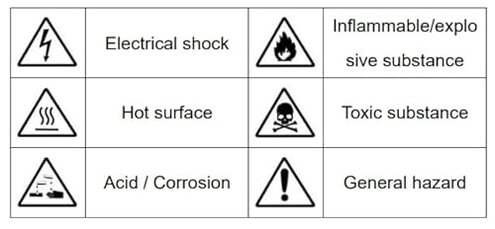
This is a primary issue. The regret moment usually appears during first setup, when buyers expect a guided process but find they must learn modes, end conditions, and saved methods.
The pattern appears repeatedly. That is not unusual for this category, but the friction feels more disruptive than expected at this price because occasional users may spend extra time just getting to a trusted starting routine.
- Early sign: Confusion starts before first real test when the menu choices look useful but not immediately obvious.
- Frequency tier: This is the primary complaint across mixed feedback, especially from buyers without prior analyzer experience.
- Usage moment: It shows up after unboxing and returns whenever users change sample type or drying approach.
- Impact: The extra setup can add repeat runs, which costs time and can make buyers doubt whether the number is right.
- Hidden requirement: You may need a repeatable in-house method, not just the machine, to get dependable daily results.
- Fixability: The stored methods help after learning, but they do not remove the front-loaded learning burden.
Illustrative: “I thought I could test right away, but I had to learn the logic first.” Primary pattern.
Will you trust the number, or keep second-guessing it?
- Core frustration: A secondary issue is result confidence, because the analyzer offers settings flexibility that can also make readings feel user-dependent.
- When it happens: This tends to surface during daily use after the first few tests, when buyers compare results across runs or sample types.
- Pattern: It is persistent but not universal; experienced users adapt faster, while casual users often re-check more than expected.
- Why it worsens: It gets worse when switching materials or trying to speed testing with different drying modes.
- Category contrast: Some variation is reasonable for this category, but here the flexibility can feel less forgiving than typical mid-range choices.
- Buyer impact: The real pain is hesitation; if you do not fully trust the output, the time savings disappear.
- Common response: Buyers often try manual comparison or repeated tests, which adds labor and lowers confidence in fast decisions.
Illustrative: “It gives a number fast, but I still wanted to verify it.” Secondary pattern.
Are you paying for speed that may not feel fast in real work?
This is another primary pain point. The unit is marketed around fast performance, but that benefit can shrink after setup when users must fine-tune methods or rerun samples.
The complaint shows up across multiple feedback types. The machine may be fast in operation, yet the full workflow can feel slower than expected compared with a buyer's “load, test, move on” expectation.
- Regret moment: You notice it during repeated testing, especially if each sample needs slightly different handling.
- Frequency tier: This ranks among the most common frustrations because it changes the value equation of a costly tool.
- Why it feels worse: In this category, some prep is normal, but the time impact feels higher when a premium-looking unit still needs extra trial runs.
- Workload effect: The result is workflow drag, not just slower single tests.
- Fix attempt: Saved methods reduce repeat setup for stable routines, but mixed-use environments benefit less.
Illustrative: “Fast test cycle, slow path to a result I can actually use.” Primary pattern.
Do you need something occasional staff can use without mistakes?
- Main issue: A less frequent but persistent complaint is usability for shared spaces, where not every operator knows the same procedure.
- When it appears: This shows up after handoff between users, or when the analyzer sits unused and someone returns later.
- Why it worsens: It gets worse in busy workplaces where people need quick, repeatable checks without relearning stored methods and endings.
- Category contrast: Specialized tools are rarely simple, but this one seems less forgiving than typical for occasional operators.
- Hidden cost: The burden is process discipline; you may need written steps so results stay consistent across users.
- Fixability: Training helps, but that means extra oversight beyond what many buyers expect from a bench tool.
- Who notices most: This matters most for small teams that wanted one shared unit, not one expert operator.
Illustrative: “Works better when one person owns it, not when everyone touches it.” Edge-case pattern.
Who should avoid this
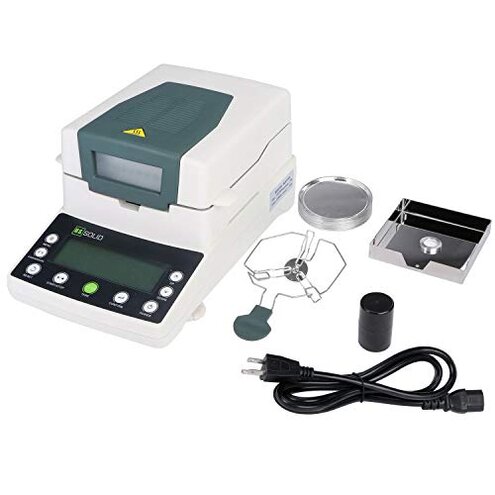
- Avoid it if you want low-friction setup and have no patience for learning test logic before useful results.
- Avoid it if different staff will use it, because shared operation can create more inconsistency than a typical mid-range unit.
- Avoid it if your work needs instant trust in readings without repeat checks or internal method tuning.
- Avoid it if the high price only makes sense when the workflow feels immediately faster.
Who this is actually good for
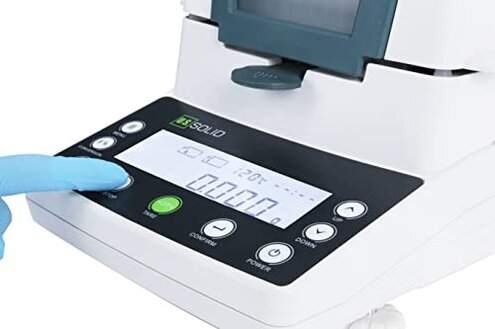
- Good fit for a user who already understands moisture-testing workflow and can create a repeatable method once.
- Good fit for a stable routine where the same material is tested often, because saved methods reduce repeat setup pain.
- Good fit for buyers willing to trade upfront learning for more control over drying and ending behavior.
- Good fit when one trained operator handles most tests, which lowers the shared-use confusion risk.
Expectation vs reality
Expectation: A machine near this price should feel fairly plug-and-work after basic setup.
Reality: Feedback suggests the device can require more method building and rechecking before buyers feel comfortable trusting results.
Expectation: Fast performance should mean faster decisions in daily work.
Reality: If you rerun samples or adjust settings often, the full process can feel slower than expected.
Expectation: It is reasonable for this category to need some learning.
Reality: The learning burden seems higher than normal for occasional users, especially in shared work areas.
Safer alternatives
- Look for a moisture analyzer with clear presets for common materials if you want less first-day setup friction.
- Prioritize models known for simpler menus if multiple people will operate the unit.
- Choose a product with stronger emphasis on repeatability for non-experts if result confidence matters more than flexibility.
- Consider whether a more basic analyzer with fewer modes gives a faster real workflow for your materials.
- Ask first how easy it is to build and reuse consistent test methods, because that is the hidden requirement here.
The bottom line
The main regret trigger is paying $791.15 and then discovering the bigger challenge is not the hardware, but the method learning and day-to-day setup discipline. That exceeds normal category risk because the friction can erase the benefit of fast testing for casual or shared users. Skip it if you need easy operation and immediate confidence, and consider it only if you can tolerate a steeper learning curve for a stable, repeatable workflow.
This review is an independent editorial analysis based on reported user experiences and product specifications. NegReview.com does not sell products.