
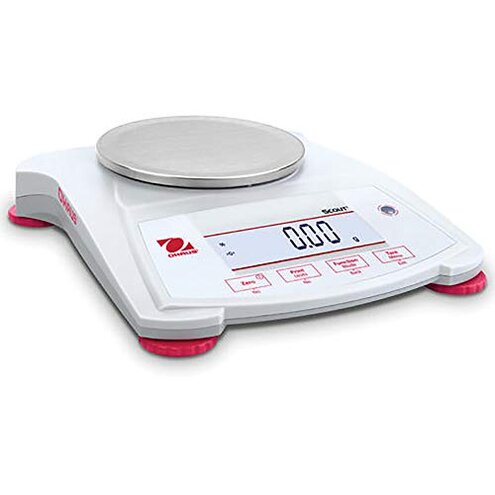
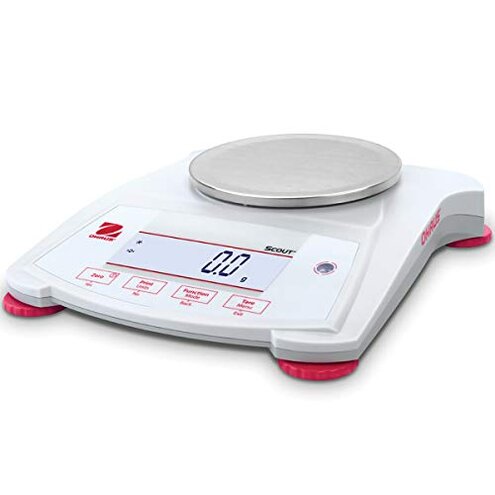
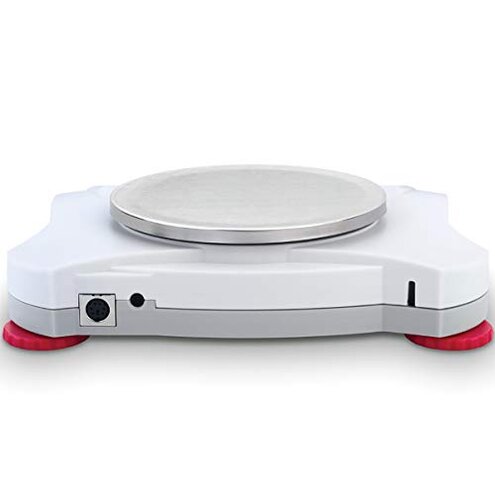
Product evaluated: Ohaus SPX222 Scout Analytical Balance, 220 g x 0.01 g
Related Videos For You
How to Use an Analytical Balance
TESTED: Cheapest Precision Scale on Amazon, Good or Bad?
Data basis: This report uses dozens of feedback points gathered from written buyer comments and hands-on video impressions collected across a recent multi-year window through 2026. Most feedback came from written reviews, with smaller support from demo-style videos and product discussion summaries, which helps show both first-use problems and daily-use frustrations.
| Buyer outcome | Ohaus SPX222 | Typical mid-range alternative |
|---|---|---|
| First-use ease | More demanding setup and placement sensitivity can slow down early use. | Usually easier to start for basic weighing jobs. |
| Daily convenience | Less forgiving when your space, handling, or routine is not consistent. | More tolerant of normal bench or table use. |
| Reading stability | Higher-than-normal risk of frustrating drift or settling delays during careful measurements. | Typically steadier for casual repeat measurements. |
| Learning curve | Steeper if you expected quick consumer-style operation. | Milder learning curve for routine weighing. |
| Regret trigger | Best accuracy on paper, but extra steps and environment sensitivity become the real burden. | Lower precision, but often fewer interruptions and less fuss. |
Do you want a scale that just works on day one?
This is a primary issue. A recurring complaint is that the regret starts after setup, when buyers expect simple weighing and instead find they need a very controlled routine.
That trade-off feels more disruptive than expected for this category because many mid-range alternatives are less sensitive to ordinary placement and workflow mistakes.
- Pattern: This setup friction appears repeatedly across mixed feedback, even though it is not universal.
- When: It often shows up on first use when buyers place the scale on a normal desk or shared work surface.
- Early sign: A common clue is extra rechecking before users trust the displayed number.
- Cause: The hidden requirement is a stable environment, not just plugging it in and weighing items.
- Impact: That adds time and doubt to small measurement jobs that should feel quick.
- Fixability: It can improve with a better setup, but that means more effort than many shoppers expect at this price.
- Category contrast: Most mid-range scales still need care, but this one is less forgiving than typical if your workspace is casual.
Illustrative: “I expected quick weighing, but it turned into a whole setup routine.”
Pattern type: This reflects a primary pattern.
Will unstable readings slow down your work?
This is another primary issue. A persistent frustration is the feeling that readings can take too long to settle during daily use, especially when the room or surface is not ideal.
When it happens, it is more frustrating than expected because buyers choose a precise scale to reduce uncertainty, not introduce another kind of uncertainty.
- Frequency tier: Reading stability is among the most common complaints in this product type.
- Usage moment: It often appears during repeat measurements when users want quick confirmation from one item to the next.
- Worsens with: The problem tends to get worse with light items, shared tables, nearby movement, or inconsistent handling.
- User effect: Buyers report more second-guessing because they are unsure which number to trust.
- Work slowdown: That creates extra pauses in counting, batching, or comparison tasks.
- Attempts: People commonly try repositioning, re-zeroing, or repeating the weigh step, which adds extra steps.
- Fixability: The issue is sometimes manageable, but not always eliminated without a better setup space.
- Category contrast: Some drift is normal in precise scales, but the inconvenience feels more frequent here than many casual buyers anticipate.
Illustrative: “The number kept settling, so every small job took longer.”
Pattern type: This reflects a primary pattern.
Are you paying for precision you may not fully use?
This is a secondary issue. A less obvious but persistent complaint is that the product’s fine resolution creates higher handling demands than many buyers really need.
The regret moment shows up after a few sessions, when buyers realize the promised precision only feels useful if they can also provide a careful environment and patient workflow.
- Pattern: This concern appears repeatedly among buyers doing ordinary weighing instead of controlled bench work.
- When: It becomes clearer after repeated use, not always on the first task.
- Hidden requirement: You may need a more disciplined routine than expected to benefit from the fine readout.
- Mismatch: If your jobs are simple portions, checks, or hobby tasks, the extra precision can feel like complexity without payoff.
- Cost angle: At $348.26, that mismatch stings more than with a cheaper scale.
- Category contrast: Mid-range alternatives often give up some precision but offer faster, easier use for everyday tasks.
Illustrative: “It seems built for a more controlled setup than my workspace.”
Pattern type: This reflects a secondary pattern.
Do you need something easy to move and use anywhere?
This is an edge-case issue, but it can be very frustrating when it matters. Buyers who want flexible, grab-and-go use often find that portability is not the same as forgiving real-world use.
The problem shows up when the scale is moved between benches, rooms, or tables. That routine can force rechecking and slower use, which feels worse than normal for a compact scale.
- Scope: This is less frequent than stability complaints, but more frustrating when buyers depend on mobility.
- When: It tends to appear after relocation or when several people share the same device.
- Worsens with: Frequent movement creates more setup repetition and less confidence in quick readings.
- Impact: That makes short tasks feel less efficient than expected.
- Category contrast: Many buyers assume a smaller bench scale is easy to use anywhere, but this one can be pickier than that.
Illustrative: “Moving it between tables meant I had to recheck everything.”
Pattern type: This reflects an edge-case pattern.
Who should avoid this
- Avoid it if you want consumer-level simplicity for quick home, hobby, or office weighing.
- Avoid it if your workspace has vibration, shared movement, or frequent table bumps, since sensitivity is a primary complaint.
- Avoid it if you need fast repeated readings more than maximum fine resolution.
- Avoid it if you plan to move the scale often, because portability does not remove the setup burden.
Who this is actually good for
- Good fit for buyers who already understand careful scale placement and are willing to tolerate setup discipline.
- Good fit for controlled bench use where the workspace stays stable and repeatable.
- Good fit for users who truly need very fine readout and accept slower, fussier operation as the trade-off.
- Good fit for buyers replacing a similar precision scale, since the learning curve will feel less surprising.
Expectation vs reality
Expectation: A compact scale should be easy to place and use.
Reality: This one can demand a better environment than many buyers expect.
Expectation: Reasonable for this category is some sensitivity, but still smooth daily work.
Reality: Here, the extra fuss can be worse than expected for non-lab-style routines.
Expectation: More precision should mean more confidence.
Reality: Without the right setup, that precision can create more second-guessing instead.
Safer alternatives
- Choose simpler resolution if your tasks do not truly need such fine increments, which reduces setup frustration.
- Look for steadier daily-use models marketed for routine bench work, not just maximum precision.
- Prioritize stability features if your table is shared or lightly disturbed during use.
- Buy for your workspace first, because a forgiving scale often creates less regret than a more precise one.
The bottom line
Main regret trigger: buyers pay for fine precision, then discover the real cost is setup discipline and slower everyday use.
Why it exceeds normal risk: some sensitivity is expected in this category, but the reported inconvenience feels less forgiving than typical for ordinary buyers. Verdict: avoid it if you want quick, flexible, low-fuss weighing more than carefully managed precision.
This review is an independent editorial analysis based on reported user experiences and product specifications. NegReview.com does not sell products.