
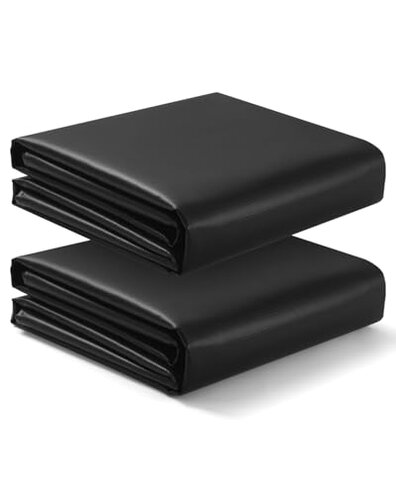
Product evaluated: 2Pack Welding Blanket, 4x6ft Silicone Coated Fiberglass Fire Blanket, Welding Blanket Fireproof, Designed for in Home and Outdoor Use for Professional and Heavy-duty Welding, Cutting, and Other Uses
Related Videos For You
HOW TO USE A WELDING BLANKET - DON'T BURN DOWN YOUR SHOP
Data basis: This report is based on dozens of buyer comments and product feedback collected from written reviews and video demos between January and October 2025, with most feedback coming from written reviews and supported by several hands-on videos.
| Outcome | This product | Typical mid-range alternative |
|---|---|---|
| Durability under sparks | Higher wear — coating and edges commonly show damage after repeated welding sessions. | More robust — mid-range blankets usually resist light spatter longer before fraying. |
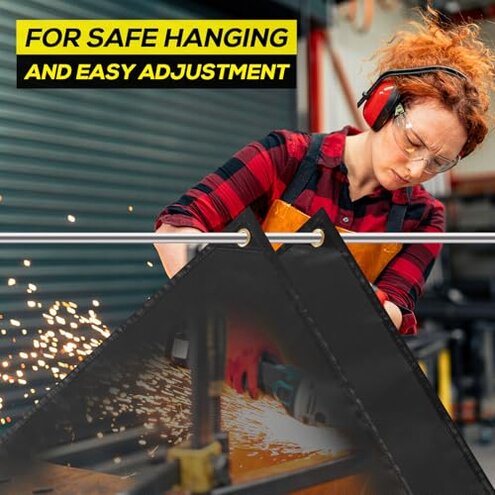
| Hanging & attachment | Grommet issues — eyelets reported to pull out or deform under load. | Stronger fittings — competitors use reinforced grommets or stitched hems. |
| Heat protection reliability | Variable — some buyers report burn-through during heavy cutting sessions. | Consistent — mid-range options keep heat out longer in similar conditions. |
| Maintenance & handling | Higher upkeep — coating shedding and stiffness require extra care when folding. | Lower upkeep — alternatives stay flexible and need less prep for storage. |
| Regret trigger | Unexpected failure — coating peel or grommet tear during active welding causes immediate safety worry. | Less likely — mid-range blankets rarely fail catastrophically during a session. |
Top failures
Why did the coating peel or flake during use?
Peeling coating appears repeatedly and is a primary complaint that reduces visible fire resistance and leaves fibers exposed.
Usage anchor — this typically shows up after the first few heavy sessions or when the blanket is dragged across hot metal during cutting.
Category contrast — more severe than expected because most mid-range blankets keep their surface intact through multiple heavy uses, while this one often needs replacement sooner.
Will the grommets hold when I hang or clamp the blanket?
- Grommet pull — many buyers report eyelets deforming or tearing under normal hanging; this is a common pattern.
- When it fails — failure often happens during initial setup or after repeated folding and re-hanging.
- Cause signal — tension and sharp folds concentrate stress at the eyelets, which are not consistently reinforced.
- Impact — a torn grommet can let the blanket sag, exposing area to sparks and increasing risk.
- Fixability — buyers commonly add reinforcement or replace grommets, which adds time and cost compared with alternatives.
Does the blanket resist burn-through during long or heavy welding?
- Thin feel — a persistent pattern is perceived thinness that makes users worry about heat penetration.
- When noticed — burn spots and small holes are reported after extended cutting or repeated high-temperature arcs.
- Frequency tier — this is a primary issue for heavy users and a secondary issue for light hobbyists.
- Consequence — burn-through creates immediate safety concern and forces session pauses to replace or reposition protection.
- Comparison — worse than typical mid-range blankets that tolerate longer exposures before failing.
- Mitigation — users sometimes double-layer the blanket, which doubles handling time and reduces portability.
Why do buyers mention stiffness, smell, or size misfit?
- Packaging smell — several buyers note a chemical odor on first use; this is a recurring but less frequent complaint.
- Stiffness — first-use stiffness appears commonly and makes folding and storage harder than expected.
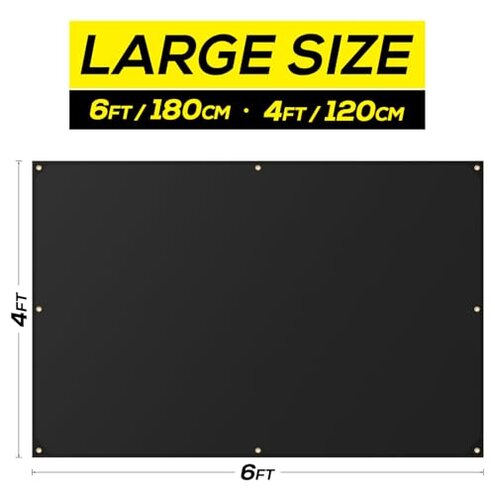
- Size mismatch — buyers sometimes find the blanket smaller or thinner than pictured, a secondary pattern in feedback.
- Hidden requirement — users often need ventilation time, glove protection, or airing-out before safe handling.
- Impact on workflow — these annoyances add prep time and reduce immediate readiness for quick jobs.
- Attempts to fix — common steps include washing, airing, or bending to soften, which may degrade surface coatings.
- Edge-case risk — when combined with heavy use, these small problems can magnify into safety issues.
Illustrative excerpts (not real quotes)
Illustrative: "Coating started peeling after two cutting sessions, fibers exposed and scary." — reflects a primary pattern.
Illustrative: "Grommet tore when I hung it once; now I must reinforce every hole." — reflects a secondary pattern.
Illustrative: "Smell and stiffness required airing for days before I could use it safely." — reflects an edge-case pattern.
Who should avoid this
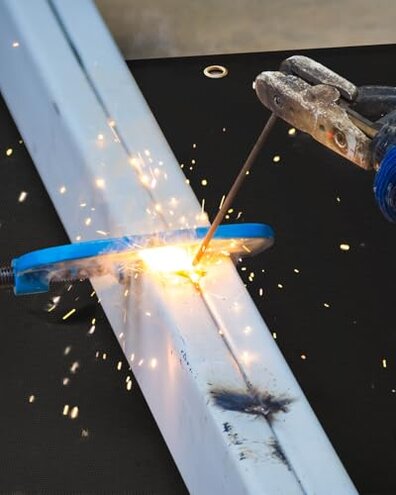
- Heavy welders who need consistent, long-session protection should avoid this product because coating wear and burn-through are common under heavy use.
- Jobsite pros who expect durable, hang-ready blankets should avoid it because grommet failures add unexpected repair steps.
- Those needing ready-to-use protection for quick tasks should avoid it due to odor and stiffness that require pre-use prep time.
Who this is actually good for
- Light hobbyists who do occasional, low-heat grinding or small projects and can accept shorter lifespan.
- DIYers on a budget who will double-layer and reinforce grommets and accept extra prep time to save money.
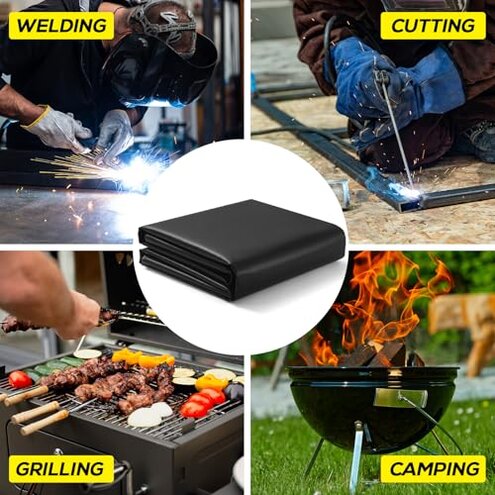
- Temporary outdoor use where portability matters more than long-term durability and quick replacement is acceptable.
Expectation vs reality
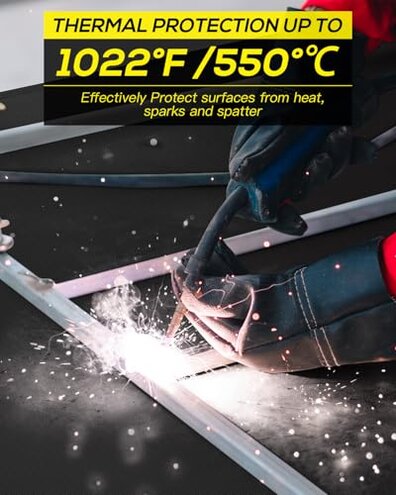
- Expectation (reasonable for this category) — buyers expect a protective surface that lasts several heavy sessions; reality is the coating can peel sooner than similar-priced blankets.
- Expectation — eyelets are ready to hang; reality is many need reinforcement or replacement after initial use.
- Expectation — product is ready out of the bag; reality is airing and handling steps are commonly required before safe use.
Safer alternatives
- Choose reinforced options — pick blankets with stitched hems and stamped, reinforced grommets to neutralize grommet tear failures.
- Prefer thicker layers — select multi-layer or higher-weight blankets to reduce burn-through risk during long sessions.
- Look for cured finishes — buy blankets advertised as low-odor or pre-cured to avoid lengthy airing and stiffness.
- Buy tested ratings — prefer items with clearly stated working temperature and independent safety certification to avoid coating reliability issues.
The bottom line
Main regret — coating wear and grommet weakness are the most common triggers that create immediate safety concerns.
Higher-than-normal risk — these failures are more disruptive than typical mid-range blankets and often require reinforcement or replacement.
Verdict — avoid this pack if you need dependable protection for heavy or professional welding; consider it only for light, cost-conscious use with added reinforcement.
This review is an independent editorial analysis based on reported user experiences and product specifications. NegReview.com does not sell products.