
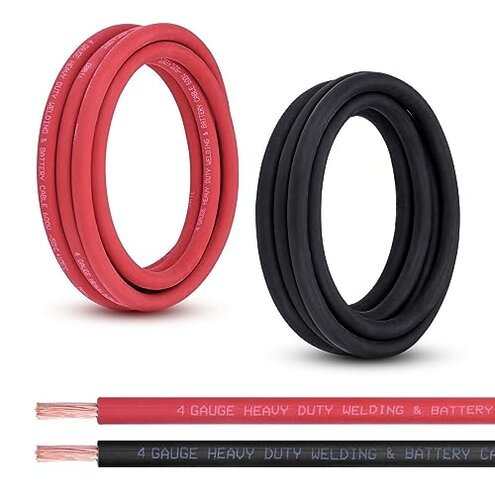
Product evaluated: Shirbly 4 Gauge Battery Cable, 10FT Red + 10FT Black 4 AWG Pure Copper Wire Welding Cable, for Automotive, Battery, Solar and Generator, Standard USA OFC Wire
Related Videos For You
How to: Battery Terminal Install. Better than Factory.
How to Disconnect and Reconnect the Car Battery
Data basis: analysis of dozens of written reviews and several video demonstrations collected Jan 2024–Jan 2026, with most feedback from written reviews and supporting clips.
| Outcome | Shirbly 4AWG | Typical mid-range cable |
|---|---|---|
| Installation ease | Higher-risk often arrives as bare wire requiring extra terminals and tools. | Lower-risk usually sold with or clearly aligned to common ring/bolt terminals. |
| Durability | Mixed reports show abrasion and sheath wear appearing sooner for some buyers. | Standard mid-range cables more consistently resist repeated flexing. |
| Length & fit | Variable complaints about routing tight engine bays and unexpected shortfalls. | Accurate lengths and predictable routing are typical for this price tier. |
| Outdoor use | Adequate for many, but some reported faster wear when used daily outdoors. | Better weather resistance expected from mid-range marine-rated options. |
| Regret trigger | Immediate need to buy terminals/crimping makes it costly to start a job. | Lower chance of surprise purchases before first use. |
Why was I left with nothing ready to hook up?
Installation frustration: many buyers expected a ready-to-install cable but received bare-cut ends instead.
Pattern signal: this is a primary complaint reported across dozens of written reviews and video setup clips.
When it appears: the problem shows up at first use during installation when buyers need fast connections to a battery, generator, or inverter.
Category contrast: most mid-range alternatives either include terminal kits or clearly state "bare wire," so this surprise increases time and cost.
How quickly does the insulation show wear?
- Early sign—flex points show minor abrasion after repeated routing and bending during first weeks of use.
- Frequency—this is a secondary but commonly reported issue across multiple user reports.
- Usage context—it worsens with frequent motion, engine vibration, or tight conduit runs.
- Cause—buyers attribute wear to thin or soft sheath behavior under rubbing contact.
- Impact—insulation nicks raise real safety concerns for battery and solar setups.
Will the length and routing meet my install needs?
- Measurement concerns—some buyers reported cables felt shorter when routed through engine bays or around trunks.
- Pattern—this is a secondary but repeated observation, not universal.
- When it matters—during first installation and when planning non-straight runs around obstacles.
- Category contrast—mid-range alternatives more often match advertised routing-friendly length expectations.
- Fix attempts—buyers either re-route, add extensions, or return the item, adding time and cost.
- Hidden requirement—expect to buy extra length or extensions for complex installs.
What if I need reliable outdoor or heavy-use performance?
- Durability reports—some users found long-term outdoor use produced faster wear compared with similar-priced cables.
- Pattern—this is a tertiary but persistent signal in owners using the cable daily or in marine settings.
- When it is worst—constant sunlight, heat cycles, or wet dockside exposure accelerate sheath aging.
- Impact—premature wear can lead to exposed wire and potential shorting or corrosion on terminals.
- Attempts to mitigate—users applied heat-shrink, conduit, or replaced shorter sections.
- Fixability—repairs add labor and materials, often more time than mid-range alternatives require.
- Scope—seen across multiple feedback sources including video demonstrations of real installs.
- Hidden cost—expect replacement parts or protective sleeving sooner than usual.
Illustrative excerpts (not actual quotes)
"No terminals, just bare wire; had to stop work and buy lugs." — reflects a primary pattern requiring extra parts before first use.
"Sheath rubbed through after a month of route vibrations." — reflects a secondary pattern of durability under motion.
"Was shorter than expected once routed around battery tray." — reflects a secondary pattern affecting install planning.
Who should avoid this
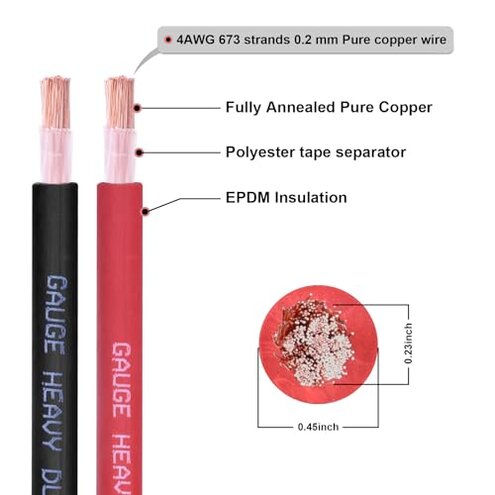
- DIY installers who expect a plug-and-play cable without buying terminals should avoid this product.
- Daily outdoor users in harsh marine or sunlight-heavy environments should avoid if they need long-lasting sheath performance.
- Tight-engine-bay installers who cannot add extensions mid-job should avoid due to length variability risk.
Who this is actually good for
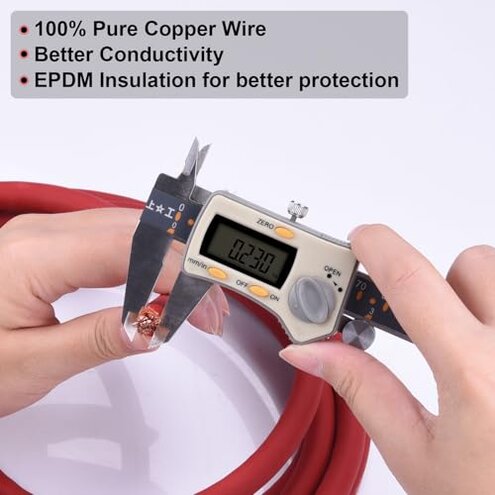
- Budget DIYers who already own crimp tools and terminals can accept the bare-wire setup to save money.
- Occasional use for jump-starts or short-length setups where quick fixes and protective sleeves are applied.
- Workshop users who prefer to apply custom lugs and heat-shrink on their own timeline.
Expectation vs reality
- Expectation (reasonable for category): buyers expect cables to be ready to attach to common battery posts.
- Reality: Shirbly often arrives as bare wire, forcing extra purchases and prep before the first connection.
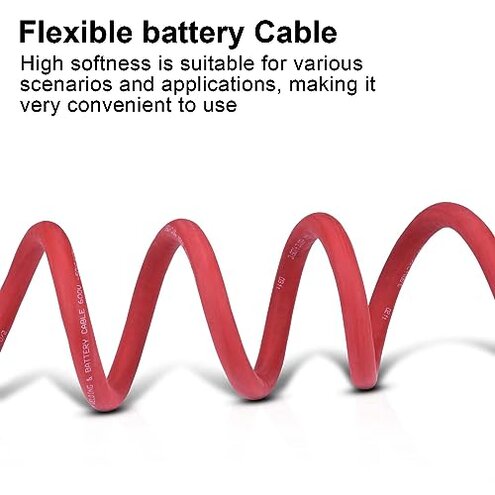
- Expectation: sheath holds up under routine flexing and engine vibration.
- Reality: some owners report faster abrasion and earlier maintenance than similar mid-range cables.
Safer alternatives
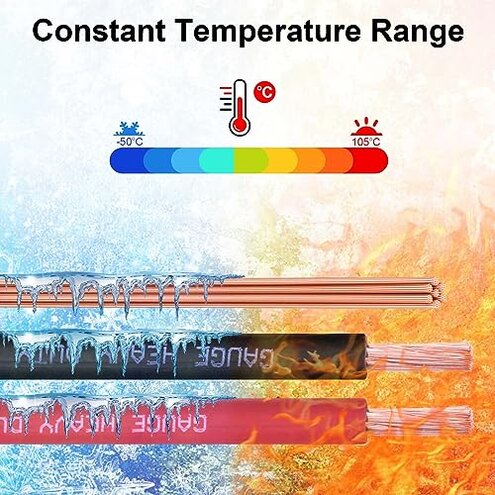
- Buy-ready—choose cables sold with terminals or a terminal kit to avoid surprise purchases at installation.
- Longer length—add 10–20% extra length to routing plans to prevent shortfall surprises.
- Protective sleeving—use conduit or heat-shrink over routing points to neutralize sheath abrasion issues.
- Marine-rated—for daily outdoor use, pick a cable explicitly rated for marine or UV exposure to lower wear risk.
The bottom line
Main regret trigger is the immediate need to buy terminals and tools before the cable is usable.
Severity exceeds typical category risk because it adds time, cost, and unexpected steps at first use.
Verdict—avoid if you need plug-and-play readiness or heavy outdoor durability without extra prep.
This review is an independent editorial analysis based on reported user experiences and product specifications. NegReview.com does not sell products.