
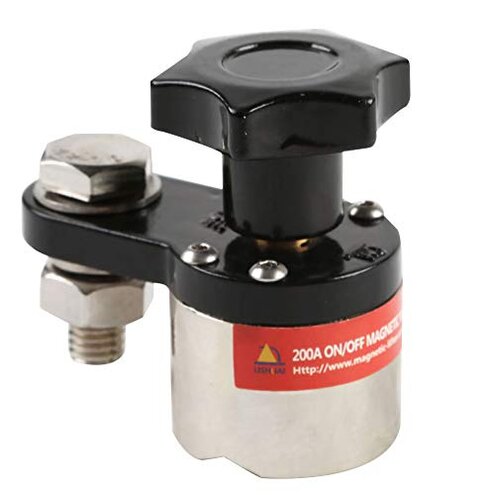
Product evaluated: 200A Magnetic Welding Ground Clamp, 200A On/off Adjustable Magnetic Welding Ground Clamp Rare Earth Switchable Magnet Welding Holder,Grounding Magnet Connector
Related Videos For You
Making a Rotary Ground Clamp for Welding | Shop Made Tools
Magnetic Welding Ground Clamp
Dozens of buyer comments and demonstrations were aggregated from written reviews and video clips collected between 2020 and January 2026. Most of the basis comes from written reviews, supported by Q&A threads and short setup videos showing real use.
| Outcome | Generic 200A Clamp | Typical Mid‑Range Alternative |
|---|---|---|
| Holding strength | Inconsistent — grip sometimes fails under movement or on rounded stock. | Reliable — mid‑range clamps keep steady contact during normal welding motions. |
| Switch reliability | Unpredictable — switch action reported to stick or cut out unexpectedly during setup. | Consistent — comparable clamps usually have firmer on/off feel with less accidental release. |
| Ease of use | Extra steps — buyers often must clean or reposition the clamp to get a solid contact. | Smoother — typical models need fewer adjustments once placed. |
| Durability | Mixed — wear or loose connections appear earlier than expected in multiple reports. | Better — mid‑range units usually last longer under workshop use. |
| Regret trigger | Ground loss — intermittent contact during welding causes arc instability and rework. | Lower risk — mid‑range clamps rarely cause arc interruptions in normal jobs. |
Top failures buyers should know
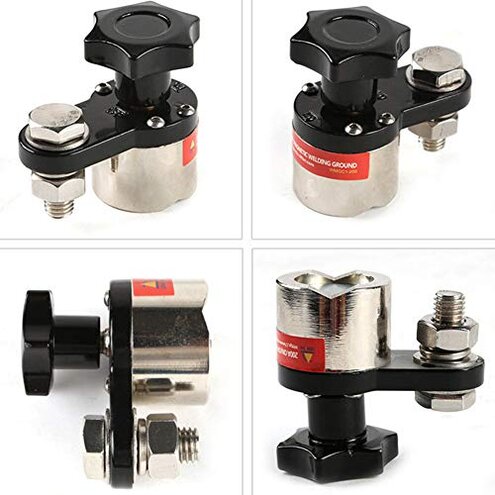
Why does the clamp sometimes lose its grip mid‑weld?
Frequent pattern: many buyers report the magnet losing hold during movement or when placed on curved surfaces.
Usage context — this happens at first use and during longer welding sessions when the workpiece is moved or vibrates.
Category contrast — more disruptive than expected because typical mid‑range clamps maintain contact through normal motion, while this one often forces pauses and re‑clamping.
Why is the on/off switch unreliable?
- Pattern — some users find the switch sticky or loose rather than crisp.
- When — problems appear during initial setup and after repeated toggles in a single session.
- Cause — switch mechanism appears sensitive to dust or slight misalignment.
- Impact — unreliable switching can cause sudden loss or gain of magnetic hold, disrupting the weld.
- Fix attempts — buyers report temporary fixes like tapping the switch or repositioning the clamp.
Why does it require extra surface prep to work properly?
- Hidden requirement — a clean, flat ferromagnetic surface is often needed for a secure grip.
- Early sign — weak pull or wiggling immediately after placement.
- Frequency tier — secondary issue, appears commonly enough to add time to jobs.
- Cause — magnet design prefers direct metal‑to‑metal contact and is sensitive to paint or scale.
- Impact — cleaning and grinding add prep time and interrupt workflow.
- Comparative — mid‑range clamps tolerate more surface grime without failing.
Why do durability and connection points feel fragile?
- Pattern — reports of bent jaws, loose wiring joints, and premature wear appear repeatedly.
- When — issues often show after moderate use or rough handling in a shop environment.
- Early sign — wobble in the clamp or heating around the connection after extended arcs.
- Impact — may require replacement sooner than expected, increasing total cost.
- Attempts — some buyers reinforced joints or soldered connections to restore function.
- Fixability — temporary fixes work, but durability concerns remain for heavy use.
- Category contrast — less forgiving than typical mid‑range clamps under workshop stress.
- Hidden cost — replacement or repairs add time and money beyond the purchase price.
Illustrative excerpts (not real quotes)
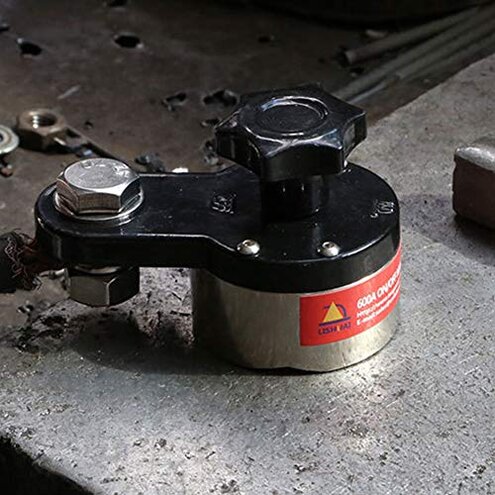
"Magnet slips on rounded bar, had to stop welding mid‑seam" — reflects a primary pattern of grip failure.
"Switch felt loose after a few toggles, then stuck" — reflects a secondary pattern around switch reliability.
"Needed to scrape paint before it would hold" — reflects a primary hidden requirement.
"Wire end loosened after a month of shop use" — reflects a secondary durability pattern.
Who should avoid this
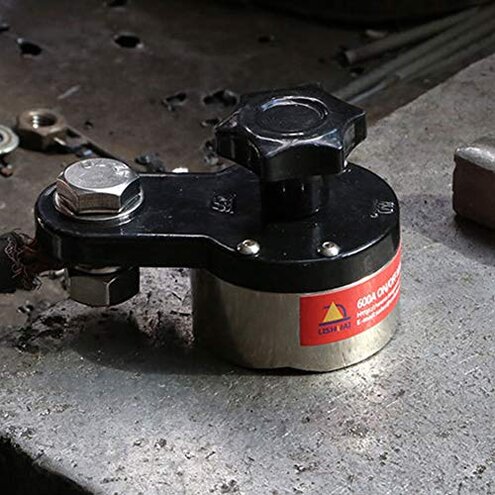
- Frequent welders — if you weld daily or on heavy jobs, the durability and hold issues will likely cause downtime.
- Shop pros — professionals who need instant, reliable grounding should avoid the higher risk of ground loss.
- Rounded stock users — if you commonly clamp tubes or irregular shapes, the grip is less dependable here.
Who this is actually good for
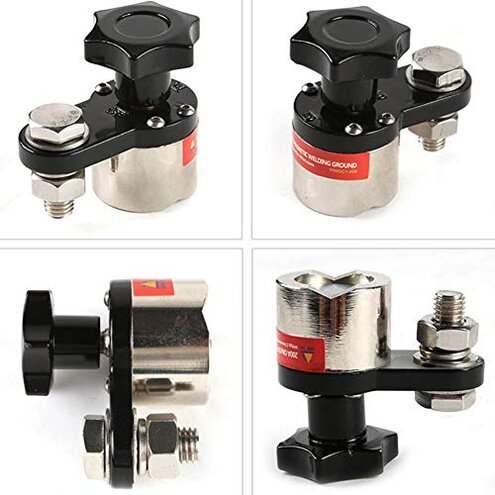
- Occasional hobbyists — tolerates more setup steps and cleaning for infrequent small jobs.
- Light home repairs — acceptable when welding short seams where an occasional reposition is manageable.
- Budget shoppers — okay if you accept higher maintenance and possible earlier replacement.
Expectation vs reality
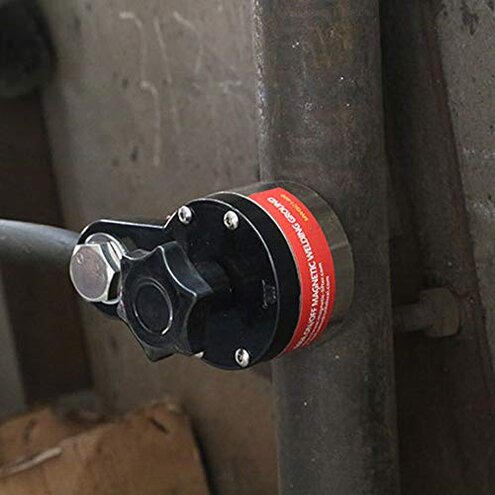
- Expectation — reasonable for this category to expect a steady magnetic hold during routine motion.
- Reality — many buyers face intermittent hold requiring re‑clamping more often than mid‑range alternatives.
- Expectation — switch should be a simple, reliable control like peers in the same price bracket.
- Reality — switch action is sometimes unpredictable, causing unexpected pauses.
Safer alternatives
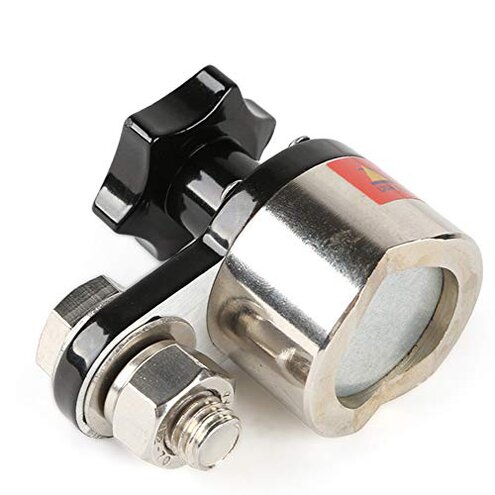
- Choose strong pull — pick clamps explicitly rated for higher pull force to neutralize grip failure.
- Test switch feel — prefer clamps with a manual on/off that reviewers describe as crisp to avoid switch issues.
- Look for jaw design — select clamps with wide, serrated jaws to reduce the need for surface prep and counter the hidden requirement.
- Inspect connections — choose models with reinforced wire terminals to prevent the durability problems noted above.
The bottom line
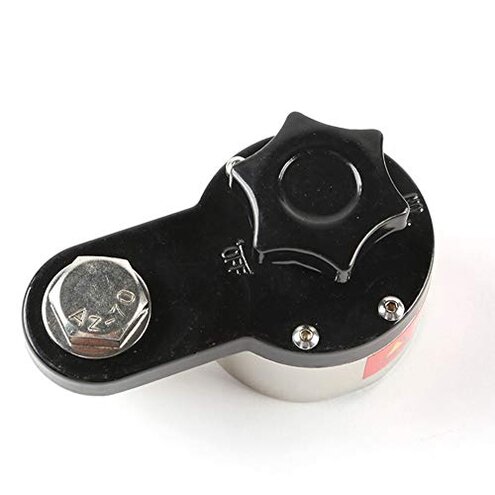
Main regret — intermittent magnetic hold and switch unpredictability cause workflow interruptions and arc instability.
Why worse — these failures are more disruptive than normal for mid‑range clamps because they add repeated rework and hidden prep time.
Verdict — avoid if you need reliable, repeated grounding; consider it only for light, infrequent use where extra setup is acceptable.
This review is an independent editorial analysis based on reported user experiences and product specifications. NegReview.com does not sell products.