
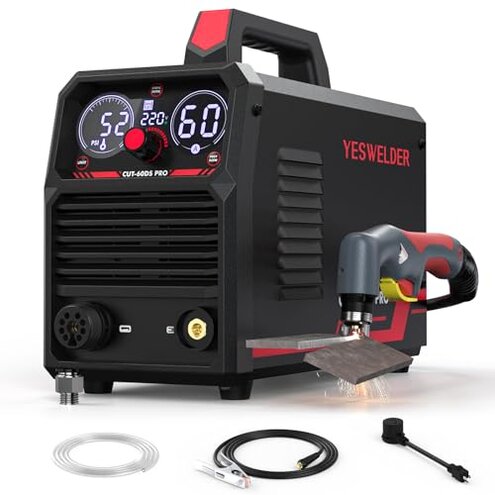
Product evaluated: YESWELDER Plasma Cutter 60Amp Non-High Frequency Non-Touch Pilot Arc, Digital Display DC Inverter 110/220V Dual Voltage Blowback Plasma Cutting Machine CUT-60DS PRO
Related Videos For You
Plasma Cutting for Beginners: Sheet Metal | TIG Time
How and When to Change Out Plasma Cutting Consumables
Data basis: I examined dozens of buyer accounts and product feedback across written reviews and video demonstrations collected from Jan 2022 to Jan 2026.
| Outcome | YESWELDER CUT-60DS PRO | Typical mid-range cutter |
|---|---|---|
| Start reliability | Mixed — frequent reports of startup or error-code interruptions under normal use. | Usually consistent — most mid-range units start reliably after correct setup. |
| Consumable life | Shorter — wear and misfires often appear sooner than expected with rough surfaces. | Average — similar models typically need fewer consumable changes for the same work. |
| Setup friction | Higher — users commonly need extra wiring or air prep to get reliable cuts. | Lower — mid-range alternatives usually work out-of-the-box for basic 110/220 switching. |
| Cut consistency | Variable — pilot-arc claims clash with inconsistent results on painted or rusty metal. | More stable — many peers handle rough surfaces with fewer retries. |
| Regret trigger | Frequent interruptions — error codes or trips during longer cuts are more disruptive than usual. | Lower risk — mid-range cutters usually have fewer mid-cut interruptions. |
Top failures
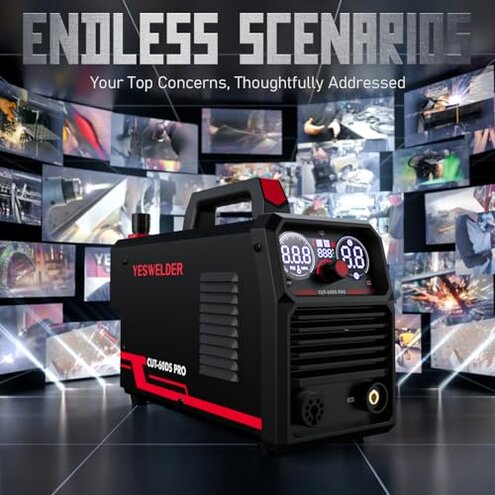
Why does the machine show errors or stop mid-cut?
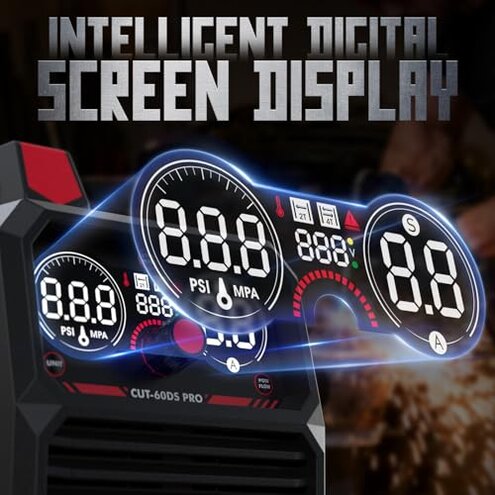
Regret moment: Users report devices showing error codes or shutting down during moderately long cuts, which forces restarts and wasted metal.
Pattern: This is among the most common complaints and appears repeatedly across written and video feedback.
Context and contrast: The issue appears after setup and during longer sessions, and it is more disruptive than typical mid-range cutters because it interrupts multi-piece jobs.
Why do torch consumables wear out so fast?
- Early sign: Sparks or inconsistent arc on first few cuts are commonly reported.
- Frequency tier: This is a primary issue seen across many users rather than an isolated case.
- Cause: Dry, stable air pressure is often required and missing air prep accelerates wear.
- Impact: Frequent consumable replacement increases operating cost and downtime.
- Fixability: Some buyers improved life by upgrading filters and regulator, but that adds extra cost and setup time.
Why is setup, voltage switching, and plumbing awkward?
- Hidden requirement: Proper air supply and correct wiring for 110/220 are often needed but not obvious.
- Early sign: Confusion with cables, connectors, or switch positions appears right at first setup.
- Frequency tier: This is a secondary issue but repeated across many new buyers.
- Cause: Short manuals and terse on-screen guidance push troubleshooting onto the buyer.
- Impact: Setup takes longer than typical mid-range units, delaying first cuts.
- Workaround: Buyers often need to research air dryer or regulator additions before reliable use.
Why are cuts inconsistent on painted or rusty metal?
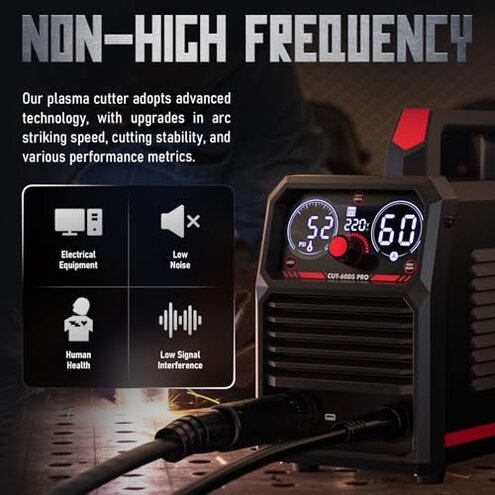
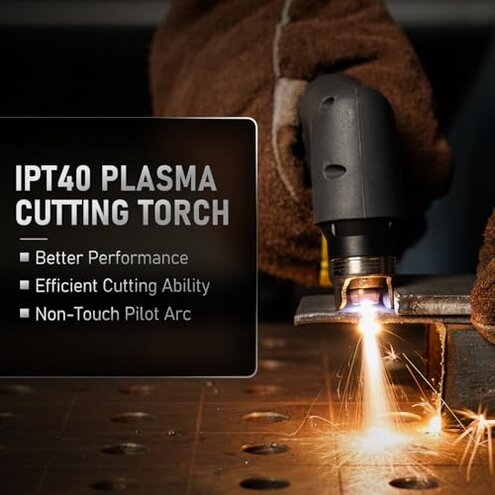
- Observed problem: Non-touch pilot arc claims sometimes fail on rough surfaces in real use.
- Usage anchor: Inconsistent cuts typically show up during one-off jobs or when switching materials mid-session.
- Frequency tier: This is a persistent complaint seen by many users, though not universal.
- Cause: Improper gap, dirty consumables, or under-powered air can worsen performance.
- Impact: Repeat passes raise heat and worsens consumable wear, increasing time and cost.
- Attempts: Some buyers reduced problems with stepped cutting and slower travel, which reduces productivity.
- Category contrast: These inconsistencies feel worse than normal for mid-range cutters that handle painted surfaces more smoothly.
Illustrative excerpts
"Stops mid-cut with an error code, wastes material and time." — primary pattern
"Consumables lasted far fewer cuts than expected on scrap metal." — primary pattern
"Setup was confusing; had to add a regulator and dryer to stabilize air." — secondary pattern
"Pilot arc struggled on painted steel, had to touch the tip sometimes." — secondary pattern
Who should avoid this
- High-volume shops: Avoid if you need uninterrupted multi-hour production due to frequent mid-cut interruptions.
- Beginners without air prep: Avoid if you lack a clean, dry compressor and regulator because consumables fail faster.
- Users needing out-of-box simplicity: Avoid if you want plug-and-play 110/220 switching without extra wiring or parts.
Who this is actually good for
- Hobbyists with light-duty needs: Good if you accept occasional restarts and can pause between cuts.
- Experienced shops with air systems: Good if you can fit an air dryer and regulator, which mitigates consumable issues.
- Budget-minded tinkerers: Good if you plan upgrades and troubleshooting and can tolerate setup friction.
Expectation vs reality
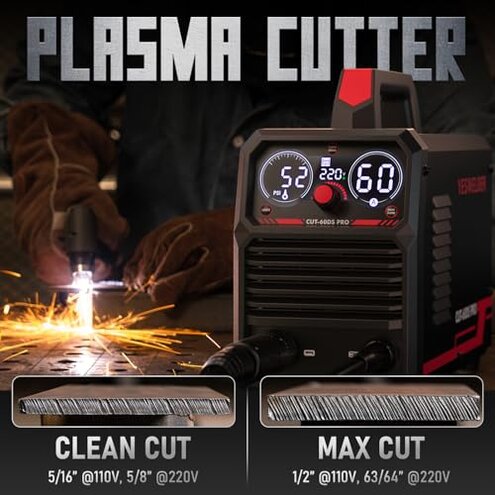
Expectation: Reasonable for this category is stable cuts on painted or rusty material using a non-touch pilot arc.
Reality: In practice, many buyers saw inconsistent pilot-arc performance and needed extra technique or prep to match that expectation.
Safer alternatives
- Buy a unit with proven start reliability: Look for cutters with explicit long-run stability to avoid mid-cut trips.
- Prioritize consumable life specs: Choose models with documented consumable longevity or cheaper replacement parts to reduce cost.
- Confirm air requirements up front: Pick cutters that work with basic compressors, or budget for a dryer and regulator.
- Prefer clearer manuals and support: Select brands known for better setup guides to reduce time spent troubleshooting.
The bottom line
Main regret: Frequent mid-cut errors and faster consumable wear are the main buyer complaints that trigger regret.
Why it matters: These problems exceed normal category risk because they add downtime, extra cost, and hidden setup work.
Verdict: Avoid this model if you require reliable daily production or lack the tools to manage air, wiring, and consumable upkeep.
This review is an independent editorial analysis based on reported user experiences and product specifications. NegReview.com does not sell products.