
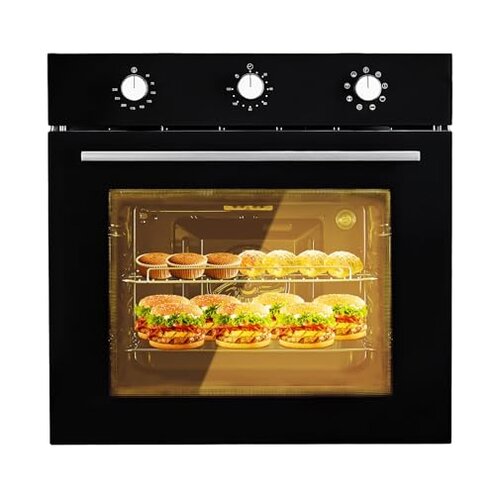
Product evaluated: Midea 24" Mechanical Single Wall Oven, 2.5 Cu. Ft.-Capacity, Built-in Oven with 8-in-1 Cooking Modes, Stainless Steel
Related Videos For You
Kitchenaid Electric Double Wall Oven Installation (Model #KODE500ESS02)
Data basis This report draws on dozens of user reviews and several video demonstrations collected through mid-2024, with most feedback from written reviews and supported by videos. The summary highlights recurring themes and patterns that appeared repeatedly across sources.
| Outcome | Midea 24" Wall Oven | Typical Mid-Range Wall Oven |
|---|---|---|
| Evenness of cooking | Higher variability in heat distribution; commonly reported by buyers as uneven baking and hot spots. | More consistent heat with fewer user reports of pronounced hot spots. |
| Installation / fit | Higher-than-normal risk of trim gaps and tight clearances after setup, appears repeatedly in feedback. | Usually straightforward fit with standard cutout tolerances for the category. |
| Noise & cooling | Often loud convection fan noise during long runs; reported during daily use by several buyers. | Quieter operation in comparable mid-range ovens under similar conditions. |
| Cleanability | Easy enamel cavity but some buyers found faint staining remains after heavy use. | Comparable easy-clean interiors with fewer persistent staining notes. |
| Regret trigger | Uneven cooking + fit issues combine to make multi-dish cooking and built-in installs more frustrating. | Single-factor issues like slight temp offset are more common than combined failures. |
Top failures
Why is my oven baking unevenly?
Regret moment You open the oven to check a batch and find one side done and the other undercooked.
Pattern This is a primary issue that appears repeatedly across written reviews and video tests.
Usage anchor It shows up during first use and during longer convection or multi-rack sessions.
Category contrast More disruptive than most mid-range ovens because it affects end-to-end meal timing and requires constant rotation or repositioning.
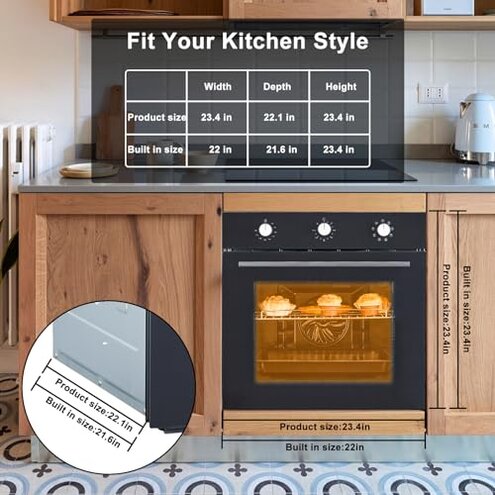
What causes tricky installation and fit?
- Early sign Trim gaps or a tight cabinet squeeze appear right after built-in installation.
- Pattern This is a secondary issue that appears repeatedly in setup reports.
- Usage anchor Problems surface during first installation and when using non-standard cabinet openings.
- Hidden requirement Buyers often need a precise cutout or extra trim kit, a requirement not obvious from the listing.
- Category contrast Less forgiving than typical mid-range models which usually tolerate slightly off-size cutouts without visible gaps.
Why is the fan loud and bothersome?
- Primary symptom A loud convection/cooling fan runs during longer bakes or grill cycles.
- Pattern This is a secondary but commonly reported problem in daily use.
- When it worsens Noise becomes more noticeable during high-heat grilling or extended roast sessions.
- Cause The fan and cooling system run hard during turbo convection modes, according to multiple buyer notes.
- Impact The noise can be disruptive in open-plan kitchens and during evening cooking.
- Fix attempts Users tried repositioning racks and lowering temperatures with limited success.
- Category contrast More intrusive than many mid-range units, which usually have quieter convection fans.
Are the controls and durability reliable?
- Early sign Knob stiffness, unclear temperature feel, or control friction noted on early uses.
- Pattern This is a secondary pattern that appears repeatedly but not universally.
- Usage anchor Issues appear during the first few months of regular use.
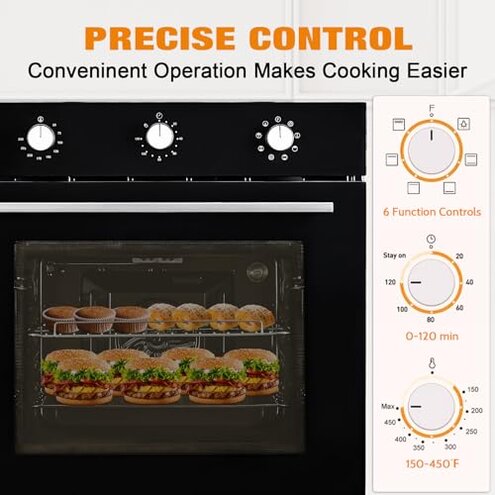
- Impact Less precise control increases the effort needed to hit consistent bake results.
- Attempts Buyers report relying on thermometers and manual adjustments to compensate.
- Fixability Warranty covers manufacturer defects, but returns or service add time and hassle.
- Category contrast Less forgiving than many peers that offer truer temperature feedback and smoother controls.
- Hidden cost Extra monitoring or aftermarket thermometers are commonly required to get expected results.
Illustrative excerpts (not real quotes)
"One side burned while the other was raw" — reflects a primary pattern of uneven heating.
"Left gaps after cabinet install, needed trim" — reflects a secondary pattern about hidden installation needs.
"Fan sounded like a jet during roast" — reflects an edge-case pattern of loud operation under heavy use.
Who should avoid this
Serious bakers who need precise, even results across multiple racks should avoid it because uneven heat is a primary failure.
Built-in installers without access to custom trim or carpentry should avoid it due to the higher-than-normal fit risk at setup.
Open-plan kitchen owners bothered by appliance noise should avoid it because the fan can be intrusive during long sessions.
Who this is actually good for
Budget-conscious cooks who accept some extra monitoring can tolerate uneven heat for an affordable convection oven.
Users with workshop access or a carpenter can handle the fit issues and will be fine if they can modify the cabinet opening.
Occasional bakers who mostly use single-dish bakes or reheating will tolerate the variability and benefit from the compact size.
Expectation vs reality
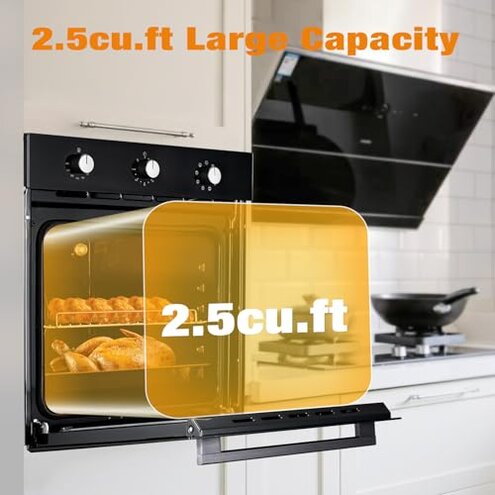
Expectation You expect a mid-range wall oven to heat evenly across a 2.5 cu.ft cavity.
Reality This model commonly delivers uneven heat, requiring repositioning or temperature tricks.
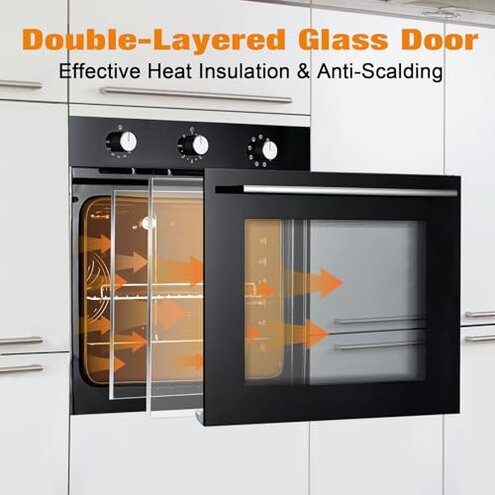
Expectation Built-in installation should fit standard cabinets without extra parts.
Reality Many buyers encountered visible gaps and needed extra trim or carpentry work.
Safer alternatives
- Choose models with explicit cabinet cutout tolerances or included trim kits to avoid fit headaches.
- Prefer ovens that list independent fan noise dB or quieter convection systems to reduce noise risk.
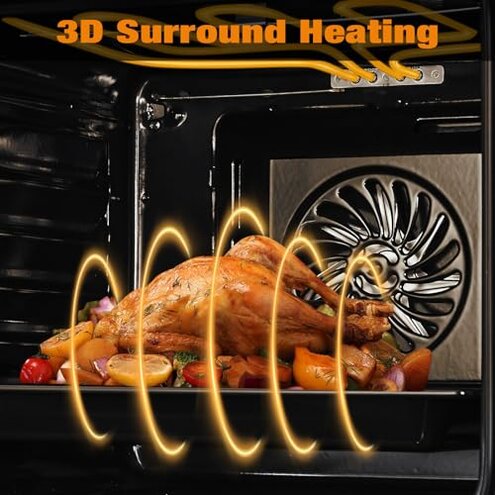
- Look for units with verified evenness testing or user feedback praising multi-rack consistency to avoid heat issues.
- Budget for an oven thermometer and possible trim work if you keep this model and want reliable results.
The bottom line
Main regret Uneven cooking combined with installation friction is the key buyer regret trigger.
Why worse These two issues together are more disruptive than the usual single small flaw in this category.
Verdict Avoid this oven if you need precise baking, a trouble-free built-in fit, or quiet convection performance.
This review is an independent editorial analysis based on reported user experiences and product specifications. NegReview.com does not sell products.