
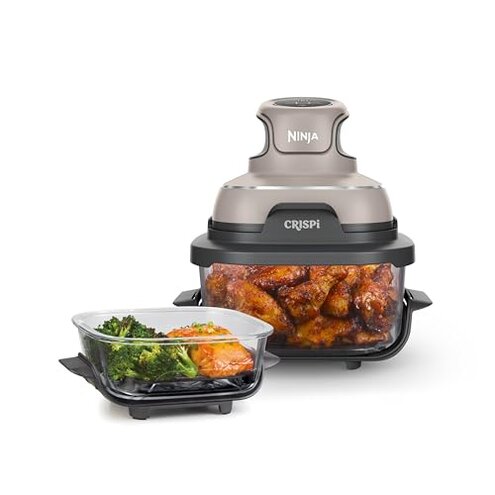
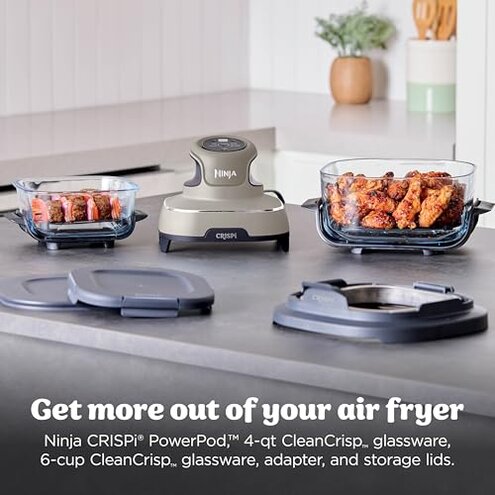
Product evaluated: Ninja Crispi Air Fryer, Microwave, Freezer & Dishwasher Safe, Non Toxic Glass Portable Cooking System, 4 QT & 6 Cup Glass Containers with Storage Lids, Easy Meals, Air Fry, Bake, Stone, FN101ST
Related Videos For You
Getting Started | Ninja Crispi™ Portable Cooking System
ALL NEW SELF CLEANING GLASS AIR FRYER By Fritaire / Full Review
Data basis: I reviewed dozens of written reviews and several video demonstrations collected from Dec 2024 to Jan 2026, with most feedback coming from written reviewers and supported by demonstration clips.
| Outcome | Ninja Crispi | Typical Mid-range |
|---|---|---|
| Cooking consistency | Variable - many buyers report uneven results and longer cook times compared with expectations. | Consistent - mid-range units usually deliver predictable browning and timing. |
| Durability | Higher risk - glassware and lids show cracking or warping under normal use more often than expected. | Lower risk - typical alternatives use more forgiving materials or thicker glass. |
| Cleanup | Tricky - dishwasher-safe claim often conflicts with reports of clouding or seal damage. | Simpler - mid-range products usually resist dishwasher wear better. |
| Portability & storage | Compact - nests well but requires careful handling and a dedicated powerpod adapter. | Similar - most portable air fryers need storage space and accessories. |
| Regret trigger | Immediate - uneven cooking combined with fragile parts is a frequent deal-breaker for daily use. | Less likely - mid-range rivals rarely combine both problems at once. |
Why does my food cook unevenly or take longer than expected?
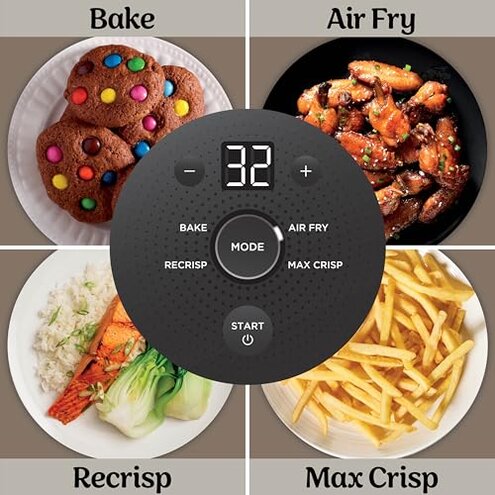
Regret moment: Many buyers noticed soggy centers or overbrowned edges on first use.
Pattern signal: This is a recurring complaint across dozens of reports, not a one-off issue.
When it shows up: Problems appear during first few uses and under higher-volume or densely packed loads.
Contrast with category: Cooking inconsistency is more disruptive than expected because similar mid-range systems normally require only minor timing tweaks.
Are the glass containers and lids fragile or prone to damage?
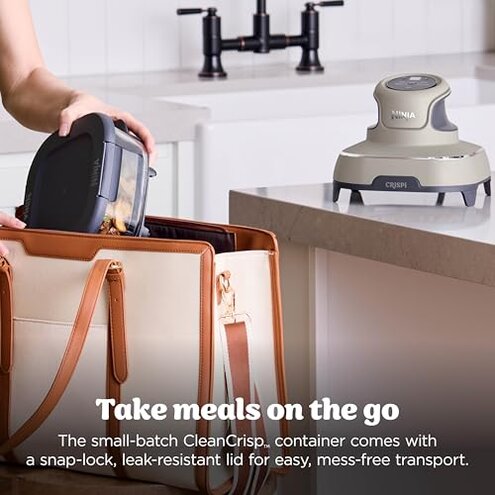
- Early sign: Users report chips, cracks, or warped lids after normal handling or dishwasher cycles.
- Frequency tier: This is a primary issue for many buyers, not limited to a few edge cases.
- Cause: Thermal shock and dishwasher wear are commonly reported contributors.
- Impact: Replacing glass or lids adds time and cost, and reduces portability.
- Fixability: Warranty help is possible but not universal; many buyers buy third-party containers as a workaround.
Will cleanup and long-term maintenance be harder than advertised?
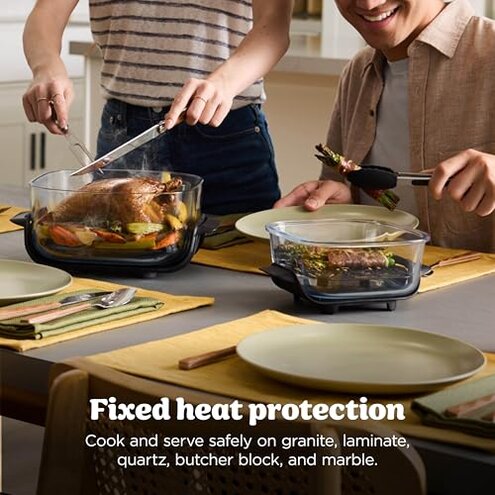
- Claim vs reality: Although labeled dishwasher-safe, reports show clouding and seal deformation over time.
- Usage anchor: Issues worsen after repeated dishwasher cycles or high-heat washes.
- Category contrast: This model demands more careful maintenance than most mid-range glass-capable units.
- Hidden requirement: Several buyers found they must hand-wash to avoid premature wear.
- Attempted fixes: Users try gentle cycles, low-heat washes, or hand-cleaning to preserve parts.
- Residual risk: Even with careful care, some buyers still reported deterioration after months of use.
Does the powerpod, adapter, or seals create extra setup and handling steps?
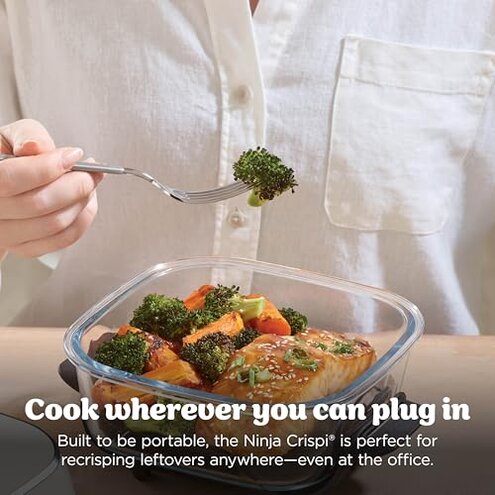
- Setup friction: The powerpod-to-container adapter requires precise seating to avoid misalignment.
- When it matters: Misalignment shows up during busy meal prep or when switching containers quickly.
- Frequency: This is a secondary but persistent annoyance for frequent users.
- Impact: Improper fit can cause uneven heating or the need to restart a cook cycle.
- Hidden step: Buyers must check seals and adapter seating every use to avoid problems.
- Workaround: Slower, deliberate seating and preheating reduce failures but add time.
- Category contrast: Most mid-range portable systems are more forgiving about quick swaps and still cook evenly.
- End result: The extra handling makes the system less convenient for multi-dish meal prep.
Illustrative excerpts (not real quotes)
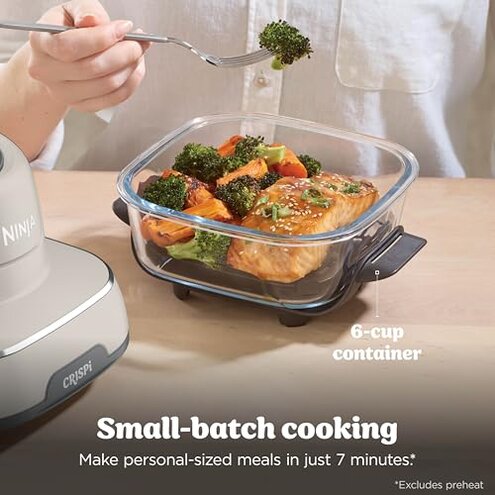
Illustrative: "Came out browned on edges but raw in middle, ruined dinner night." — primary pattern
Illustrative: "Lid warped after a few dishwasher runs, no longer seals well." — primary pattern
Illustrative: "Adapter feels picky; if you rush it, food cooks unevenly." — secondary pattern
Illustrative: "Glass developed small hairline crack after accidental bump in cabinet." — edge-case pattern
Who should avoid this
- Frequent cooks who run daily multi-dish meals, because uneven heating and extra handling add time and frustration.
- Dishwasher-reliant users who expect low-maintenance glass, because dishwasher cycles often accelerate wear.
- Small kitchens seeking truly grab-and-go convenience, because the adapter and careful seating undermine speed.
Who this is actually good for
- Occasional users who cook single small meals and can hand-wash parts, tolerating extra care for glass cooking.
- Glass-preference cooks who prioritize non-toxic glass storage and accept the fragile trade-offs.
- Space-conscious buyers who value nesting storage and are willing to slow down during setup to avoid misalignment.
Expectation vs reality
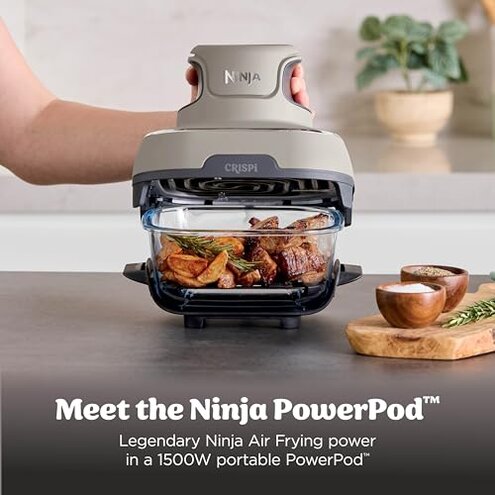
- Expectation: Reasonable for this category is predictable browning with simple timing tweaks. Reality: This product often needs larger timing and packing adjustments to avoid soggy centers.
- Expectation: Dishwasher-safe parts last under normal cycles. Reality: Many buyers report clouding and seal damage after repeated dishwasher use.
- Expectation: A portable powerpod snaps on and works reliably. Reality: The adapter demands deliberate seating to prevent misfires and uneven heating.
Safer alternatives
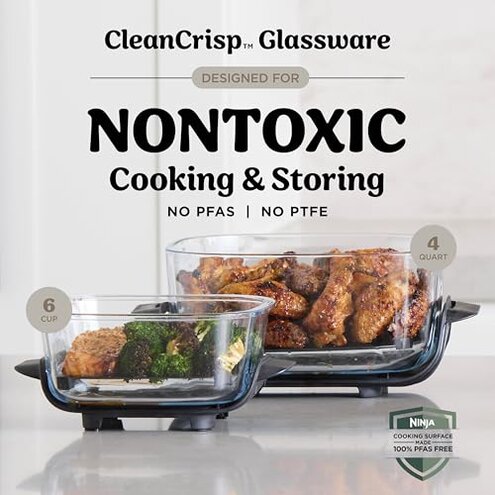
- Choose thicker glass or metal if durability matters; this neutralizes the fragile-glass failure and reduces replacement risk.
- Prefer forgiving adapters or single-piece units to avoid alignment problems and reduce setup friction.
- Hand-wash plan as a shopping choice if you want glass but also longevity; this counters dishwasher-related wear.
- Look for proven consistency in user feedback for cooking evenness before buying to avoid unpredictable results.
The bottom line
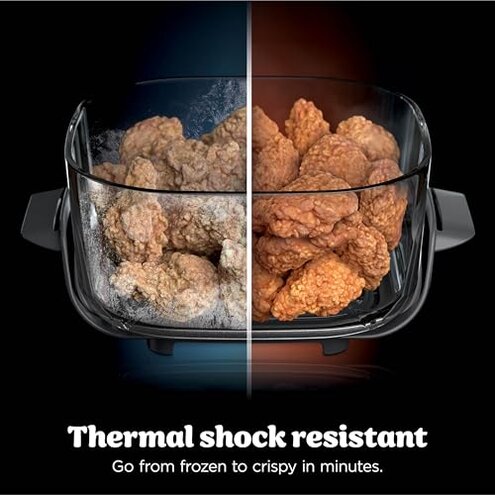
Main regret trigger: uneven cooking combined with fragile glass components is the recurring buyer pain point.
Severity: These issues exceed normal category risk because they compound time, replacement cost, and meal failure risk.
Verdict: Avoid if you need reliable, low-maintenance daily cooking; consider it only if you accept careful handling and extra upkeep.
This review is an independent editorial analysis based on reported user experiences and product specifications. NegReview.com does not sell products.