
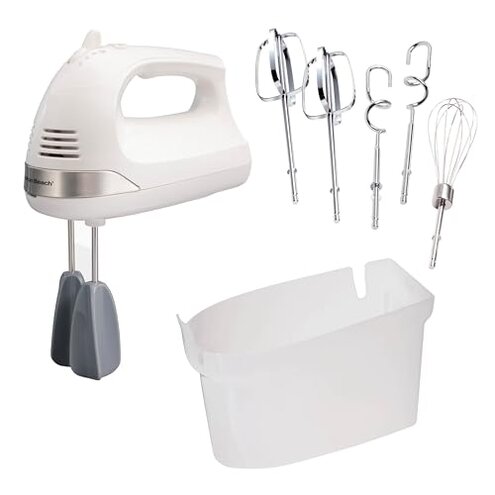
Product evaluated: Hamilton Beach 6-Speed Electric Hand Mixer with Whisk, Dough Hooks and Easy Clean Beaters, Powerful 275 Watt Motor, Snap-On Storage Case, White
Related Videos For You
Scarlett hand Mixer(7-Speed, 260 W) Only at Rs.445 Only | Cream Whipping Machine | Make dough
KitchenAid Go™ Cordless Hand Mixer Set Up, Use & Care
Data basis: I analyzed dozens of buyer comments and product demonstrations collected between Jan 2021 and Jan 2026, using written reviews and video demonstrations; most feedback came from written reviews, supported by videos.
| Outcome | Hamilton Beach 275W | Typical mid-range mixer |
|---|---|---|
| Power under load | Struggles with long dough or thick batters; users report stalls under heavy load. | More consistent for short dough tasks; handles thicker batters with fewer stalls. |
| Durability risk | Higher-than-normal reports of early motor or housing failure compared with peers. | Lower risk over similar ownership periods for comparable mid-range models. |
| Attachment fit | Loose eject or poor dough-hook performance appears repeatedly for heavier mixes. | Tighter fit and better dough handling commonly reported for alternatives. |
| Cleanup & storage | Convenient case but beaters sometimes clog and need extra cleaning time. | Similar cleanup needs, but fewer clogging complaints overall. |
| Regret trigger | Motor failure during heavy mixing is the clearest buyer regret risk. | Regret less often tied to motor reliability for mid-range alternatives. |
Top failures
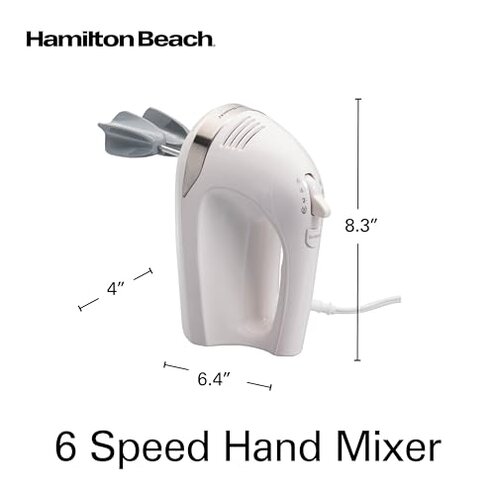
Why does the mixer stop or overheat during heavy mixing?
Regret moment: The mixer can slow, smell hot, or stop when kneading thick dough or running long batches.
Pattern: This is a primary issue that appears repeatedly across feedback and demonstrations during heavy-use sessions.
Category contrast: More disruptive than most mid-range hand mixers because buyers expect continuous mixing for short dough tasks without a pause.
Why do attachments perform poorly or eject unexpectedly?
- Early sign: Loose wobble felt when starting with heavy batter.
- Frequency: This is a secondary issue reported commonly for thicker mixes.
- Cause: Attachment coupling appears under-dimensioned for sustained torque.
- Impact: Results include uneven kneading and extra mixing time to finish dough.
- Fix attempts: Users alternated speeds or mixed by hand to finish the job.
Why is the mixer noisier and less sturdy than expected?
- Noise level: Loud motor and increased vibration during mid-to-high speeds.
- Frequency tier: This appears repeatedly but is less severe than motor failures.
- When it shows: Most obvious at speeds 4–6 or when mixing thicker batters.
- Cause clue: Housing flex and loose internals elevate vibration.
- Impact: More kitchen movement and fatigue when holding the mixer long.
- Category contrast: Noisier and less stable than many mid-range alternatives, increasing user fatigue.
- Attempts: Buyers slowed speeds or rested the unit to reduce noise and wobble.
Why does cleanup and storage add unexpected work?
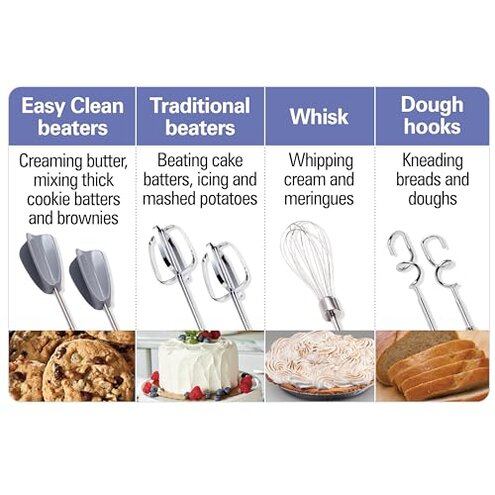
- Hidden requirement: Beaters and hooks collect batter in seams and need pre-rinse before dishwasher cleaning.
- Early sign: Dried batter collects at joint points after a single use.
- Frequency: This is a secondary issue reported across many written notes and demos.
- Cause: Easy-clean beaters still have crevices that trap residue.
- Impact: Adds extra steps and time to cleanup versus truly smooth-beater designs.
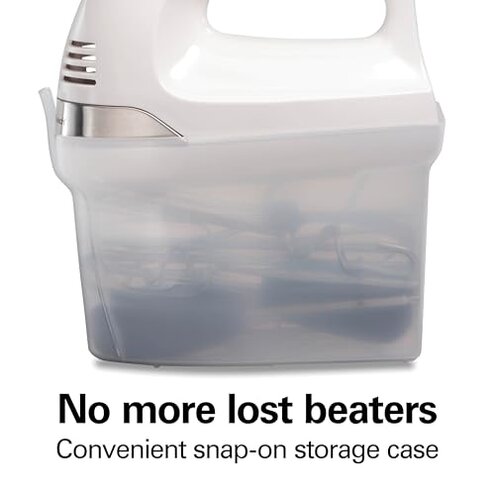
- Storage note: The snap-on case is handy but won’t protect the unit from long-term dust if not dried fully.
- Fixability: Cleaning by hand and full drying mitigates but requires extra time.
- Category contrast: More upkeep than most mid-range alternatives, increasing routine effort.
Illustrative excerpts (not real quotes)
Excerpt: “Stopped mid-knead with a hot smell; had to rest and finish by hand.” — Primary pattern
Excerpt: “Beaters trap batter at the joint; extra scrubbing each time.” — Secondary pattern
Excerpt: “Loud buzz at top speeds; hand gets tired quickly.” — Secondary pattern
Excerpt: “Dough hook barely handled thicker bread recipes, ended up manual.” — Primary pattern
Who should avoid this

- Frequent bakers: If you mix heavy dough weekly, the motor risk exceeds normal category tolerance.
- Noise-sensitive users: If quiet operation matters, the vibration and sound are worse than expected.
- Low-tolerance cleaners: If you dislike extra cleanup, the clogging requirement adds time each use.
- Buyers expecting long lifespan: If you want multi-year heavy use, the durability signals suggest risk.
Who this is actually good for
- Occasional bakers: Good for light batters and quick jobs where heavy-duty mixing is rare, and motor stress is low.
- Budget cooks: Useful if you accept shorter service life for lower upfront cost and quick basic mixes.
- Users who tolerate noise: Accepts louder operation in exchange for a compact, multi-attachment unit.
- Those who hand-finish dough: Works if you plan to finish kneading by hand or use a stand mixer for heavy jobs.
Expectation vs reality

Expectation: A 275W hand mixer should handle short dough and heavy batters like mid-range peers.
Reality: The motor often needs rest during heavy kneading, making it less reliable for longer tasks.
- Expectation: Attachments stay secure and clean easily.
- Reality: Some users find attachments wobble and beaters trap batter, adding cleanup time.
Safer alternatives

- Choose higher continuous power: Pick mixers with a stronger continuous-watt rating to neutralize motor-stall risk.
- Prefer metal fittings: Look for models with reinforced attachment couplings to avoid ejection under torque.
- Check real-use videos: Watch demos mixing dough to assess vibration and sound before buying.
- Look for smoother beaters: Select designs advertised as truly seamless for easier cleanup if you dislike extra scrubbing.
- Consider a small stand mixer: If you bake bread often, a compact stand mixer removes the hidden motor and torque trade-offs.
The bottom line
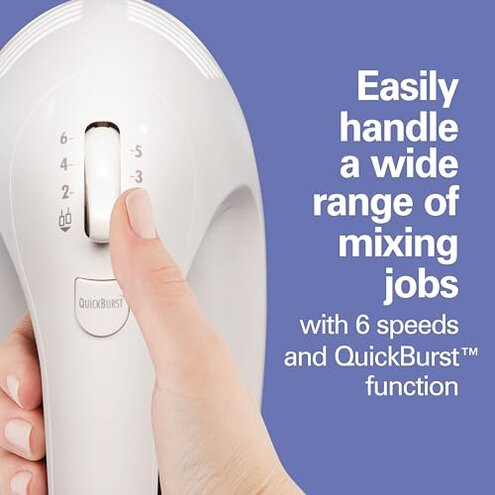
Main regret: The most common trigger is motor stress and early stoppage during heavy mixing.
Why worse: This unit shows higher-than-normal disruption for thicker batters compared with typical mid-range hand mixers.
Verdict: Avoid if you need reliable heavy-duty mixing; consider it only for light, occasional kitchen tasks.
This review is an independent editorial analysis based on reported user experiences and product specifications. NegReview.com does not sell products.