
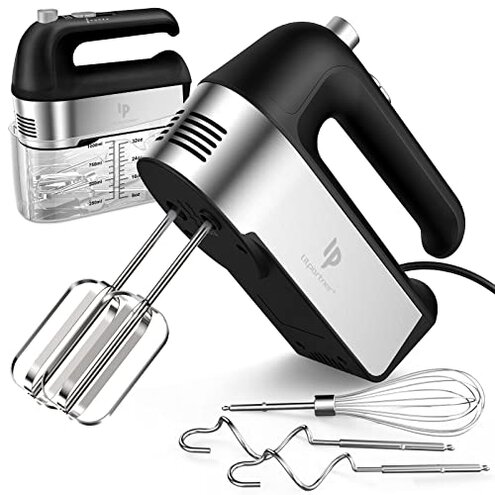
Product evaluated: Hand Mixer Electric, 450W Kitchen Mixers with Scale Cup Storage Case, Turbo Boost/Self-Control Speed + 5 Speed + Eject Button + 5 Stainless Steel Accessories, For Easy Whipping Dough,Cream,Cake
Related Videos For You
How to Use a Hand Mixer Effectively
How to repair hand mixer
Data basis: I analyzed dozens of buyer comments and multiple video demonstrations collected through Dec 2024, with most feedback coming from written reviews and supported by hands-on clips. This report aggregates recurring patterns, timeline notes, and buyer-posted problem examples.
| Outcome | KD-906D Hand Mixer | Typical Mid‑Range Mixer |
|---|---|---|
| Power consistency | Variable — users report inconsistent torque under load and slower mixing on thicker batters. | Steady — most mid-range models keep speed better under typical mixing loads. |
| Noise & vibration | Loud — higher-than-expected noise and noticeable vibration during use. | Quieter — comparable mixers are typically less noisy and more stable. |
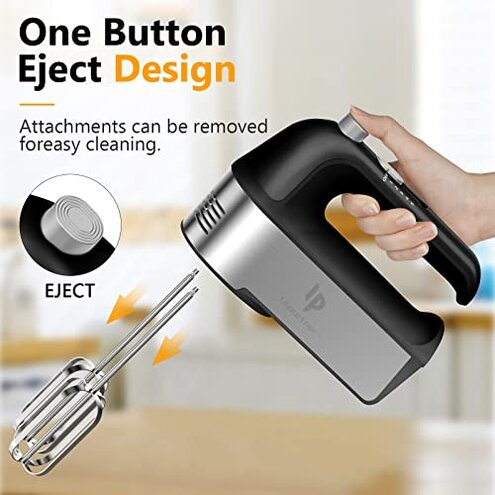
| Attachment fit | Loose — beaters or hooks may wobble or eject unexpectedly for some buyers. | Secure — mid-range options usually have firmer attachment locks. |
| Durability | Higher risk — reports of motor weakening or parts failing after repeated use. | Lower risk — many mid-range mixers last longer under similar home use. |
| Regret trigger | Performance loss — when mixing dough or thick batters the unit struggles and stresses components. | Less likely — mid-range mixers handle those tasks with fewer long-term issues. |
Why does the mixer feel weak under pressure?
Regret moment: The mixer slows or stalls when you mix heavy doughs, creating extra steps and longer times to finish recipes. This problem is commonly reported and appears repeatedly in buyer feedback under load.
Usage anchor: Happens during the first few uses when mixing thick batter or dough and worsens with prolonged runs.
Category contrast: This is more disruptive than most mid-range mixers because it forces manual mixing or repeat attempts.
Why is the noise and vibration so bad?
- Early sign: Noticeable hum and shaking at medium and high speeds, reported by multiple buyers.
- Frequency tier: This is a primary issue for many users, appearing repeatedly rather than as a rare complaint.
- Cause hint: Vibration often shows up when attachments sit slightly loose or when motor strain increases.
- Impact: Noise and wobble make prolonged mixing unpleasant and can reduce control over delicate recipes.
- Attempted fixes: Buyers tried repositioning attachments and holding firmer, with mixed results.
- Fixability: Less fixable at home since underlying motor or mount issues appear involved.
Do attachments eject or bend easily?
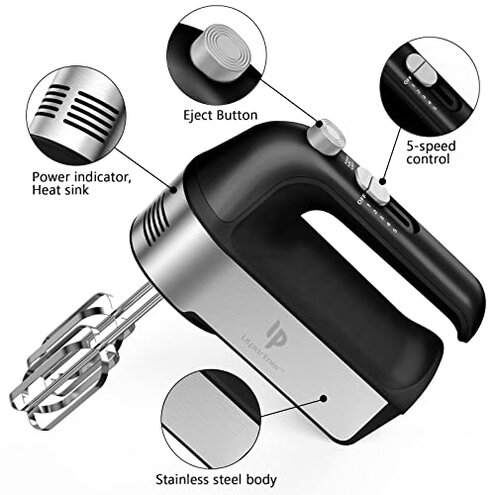
- Observation: Some buyers report beaters wobbling or ejecting under load during mixing.
- Pattern: This is a secondary issue that appears across written reviews and video checks.
- When it shows: Most often during high-speed use or when scraping bowls mid-mix.
- Why worse: Attachment security is weaker than typical mid-range designs, raising spill and mess risk.
- Impact: Unexpected ejection interrupts cooking and can splatter batter.
- Workaround: Slow the mixer before changing angle or stop to reseat beaters, adding time.
- Hidden requirement: Requires careful handling and slower operation than buyers might expect for safe use.
Will this last if I use it a lot?
Durability concern: Multiple buyers report weakening motor performance or parts failing after repeated home use, making durability a primary issue. This pattern appears repeatedly rather than as isolated cases.
Usage anchor: Failures typically surface after several months of regular baking or frequent heavy mixing sessions.
Is the storage case and scale cup feature reliable?
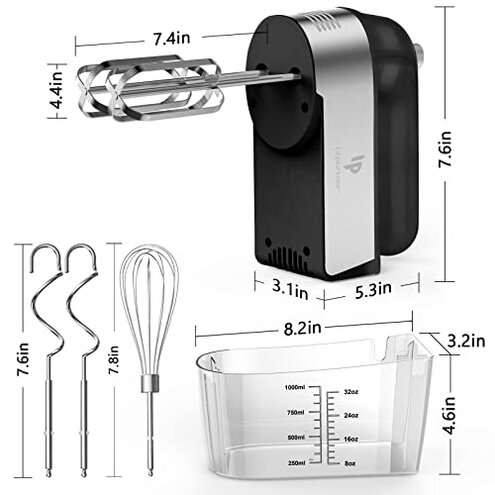
- Claim vs reality: The included storage case advertised as a scale cup and parts holder requires careful packing and may not secure wet or sticky attachments.
- Pattern: This is a secondary issue seen across written comments and unboxing clips.
- Impact: Users need extra cleaning or separate storage to avoid mess and misplacement.
- Why worse: Many mid-range mixers include more practical storage solutions that keep parts clean without extra steps.
- Fix: Keep a dedicated drying rack or towel for attachments before storing in the case.
- Hidden cost: Adds extra cleanup time and reduces the convenience expected from the packaging.
- Edge note: The case is usable but not as leakproof or tidy as buyers commonly expect.
Illustrative excerpts (not actual quotes)
"Mixer slowed on dough, had to finish by hand." — Reflects a primary performance pattern causing workflow breaks.
"Beater wobbled and splattered batter across counter." — Reflects a secondary attachment-security pattern that creates mess and time loss.
"Loud vibration even at moderate speed makes mixing unpleasant." — Reflects a primary noise and comfort pattern.
"Case doesn't keep attachments dry; they get messy inside." — Reflects an edge-case storage/packaging pattern.
Who should avoid this
- Frequent bakers: If you mix doughs weekly, the durability and power issues make this a poor fit.
- People needing quiet tools: If noise matters, the vibration and loud operation exceed typical category tolerance.
- Buyers wanting hassle-free attachments: If you expect secure, no-fuss beaters, the attachment reports suggest frustration.
Who this is actually good for
- Light occasional users: If you only whisk cream or make small batters, the power limits may be tolerable.
- Budget-first shoppers: If low price is the priority and you expect trade-offs on longevity, the value may be acceptable.
- Careful handlers: If you can slow down for attachment changes and avoid long runs, the attachment and durability risks are reduced.
Expectation vs reality
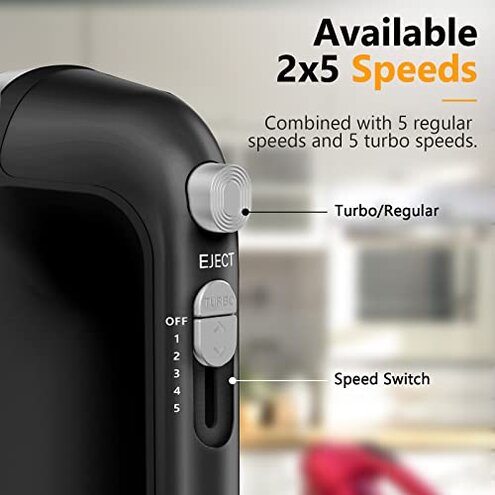
- Expectation (reasonable for category): A 450W hand mixer handles batters and small dough tasks reliably.
- Reality: This unit often shows power inconsistency and struggles with thicker mixes, requiring manual effort.
- Expectation: Attachments stay secure through normal mixing.
- Reality: Beatters can wobble or eject under load, which is worse than typical mid-range behavior.
Safer alternatives
- Choose higher-torque models: Look for hand mixers that advertise steady torque or stronger motors to neutralize the power loss problem.
- Check attachment locks: Prefer models with positive-lock mechanisms to avoid the ejection and wobble issues.
- Read durability notes: Favor mixers with longer user-reported lifespan or better warranties to reduce the replacement risk.
- Prioritize quieter designs: If noise matters, pick mixers with explicit noise or vibration dampening features to counter the loud operation.
The bottom line
Main regret: The product's primary triggers are power inconsistency and higher-than-normal durability risk under regular mixing.
Why it exceeds norm: These failures appear repeatedly and create more cleanup, manual work, and early replacement than typical mid-range mixers.
Verdict: Avoid this unit if you bake often, need quiet operation, or expect secure attachments; it may suit light, occasional use only.
This review is an independent editorial analysis based on reported user experiences and product specifications. NegReview.com does not sell products.