
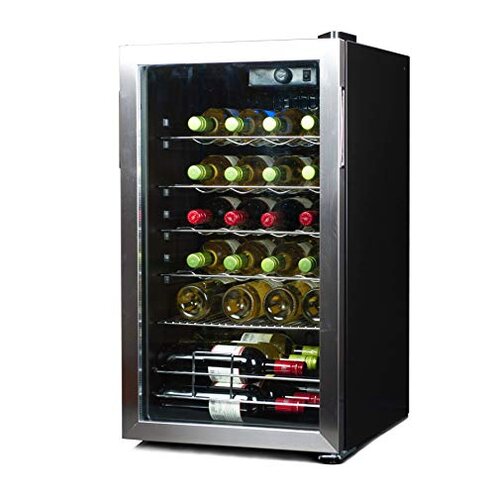
Product evaluated: BLACK+DECKER 26 Bottle Wine Fridge with Interior Light and Mechanical Temperature Control, Compressor Cooling Wine Cooler Refrigerator with 4 Wine Racks and 1 Flat Shelf, Wine Bottle Chiller
Related Videos For You
✨ WINE FRIDGE - HOW TO OPERATE The Controls ✨
How Noisy Is A Wine Cooler? (And 3 Tips For A Quieter Fridge)
Data basis Dozens of buyer reviews and several video demonstrations were analyzed between Jan 2021 and Dec 2025 to spot recurring faults. Most feedback came from written reviews, supported by video demonstrations, with a split of recent buyers and longer-term users.
| Outcome | BLACK+DECKER 26-bottle | Typical mid-range fridge |
|---|---|---|
| Temperature stability | Higher drift reported during daily use and after setup, making precise serving temps hard to keep. | More stable control with fewer mid-run swings under normal household conditions. |
| Noise and vibration | Noticeable noise and vibration when compressor cycles, often louder than expected for home use. | Quieter compressors and less perceptible vibration at similar price points. |
| Build reliability | Mixed reliability with isolated DOA and early-failure reports that appear repeatedly in written feedback. | More consistent out-of-box reliability among mid-range alternatives. |
| Regret trigger | Temperature drift + noise combine to ruin bottle readiness and quiet placement in living areas. | Single issue concerns are more common than combined failures in this category. |
| Value for money | Questionable if you need precise temps or quiet operation despite the low price point. | Better balance of quiet, stability, and fewer early faults at similar cost. |
Why won't my wines hold the set temperature?
Regret moment You set a target and bottles end up warmer or cooler after a day. This problem is commonly reported and appears repeatedly across written feedback.
Usage context The issue shows up during daily use and often becomes clear after the first 24–72 hours of operation.
Category contrast More than typical mid-range fridges, this model loses precise control, which is worse for buyers who need consistent serving temps.
Is the compressor louder than I should expect?
- Early-noise Many buyers notice a louder compressor hum right after setup, indicating an immediate annoyance.
- Frequency This is a primary issue that appears repeatedly in reviews rather than a rare complaint.
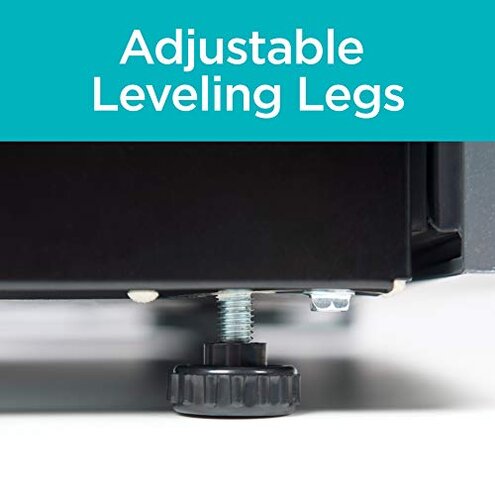
- When it worsens Noise gets worse under frequent cycling or if the unit isn't perfectly level.
- Real impact The sound and vibration can make the fridge unsuitable for living room or quiet kitchen placement.
- Fix attempts Buyers report temporary relief from leveling and isolation pads, but the problem often returns.
Will the door or insulation cause cooling issues?
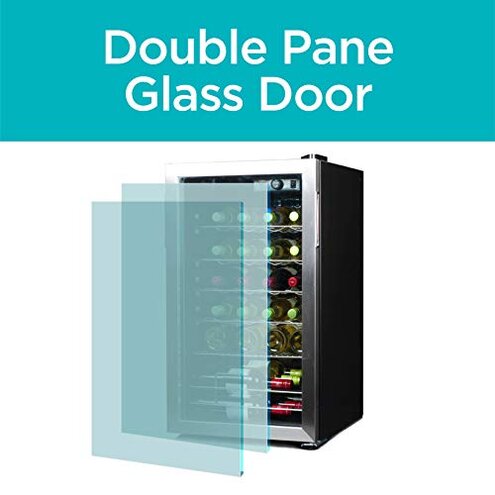
- Seal-warning Several reviews point to weak door sealing, which shows up after repeated opening and during warm-room conditions.
- Light-heat The interior light is noted as a minor heat source when left on for visibility.
- Ventilation The unit needs clearance at the back and sides; lacking this makes temperature control worse.
- Hidden requirement Buyers should expect to measure airflow and leave extra space—this is not obvious from listings.
- Category contrast This is more maintenance than most mid-range fridges, which are less sensitive to placement.
- Attempted fixes Common fixes include reseating the door and clearing vents; these reduce but do not eliminate drift.
What about build problems, DOA units, or poor support?
- Reliability-pattern Reports of dead-on-arrival or early failures appear less frequent than the top two issues but are persistent enough to matter.
- Scope These problems surface across both recent buyers and longer-term users, not confined to a single batch.
- When it shows Failures often appear within weeks of use, during initial cooling or first few cycles.
- Impact An early failure is more disruptive here because repairs and replacements add extra time and hassle.
- Support Warranty is listed as 1 year, but buyers report mixed experiences getting timely service.
- Workaround Some buyers managed returns through retailers rather than manufacturer support to speed resolution.
- Category contrast This model is less forgiving than typical mid-range alternatives that often show fewer early failures.
Illustrative excerpts
Illustrative "Set at serving temp but bottles drifted several degrees each day."
Pattern This reflects a primary pattern of temperature instability.
Illustrative "Compressor hum made it hard to keep in the living room."
Pattern This reflects a secondary pattern of noise and vibration.
Illustrative "One unit arrived dead and the return was slow."
Pattern This reflects an edge-case pattern of early failure and support friction.
Who should avoid this
- Precision buyers Anyone needing stable serving temperatures should avoid this fridge due to recurring drift.
- Quiet-space users If you plan to place the unit in a living area, noise reports make it a poor choice.
- Low-tolerance owners Buyers unwilling to do extra placement or sealing work should avoid it because it needs hidden setup care.
Who this is actually good for
- Budget-conscious Buyers on a tight budget who accept some noise and temp drift for a low price.
- Garage storage Users who keep wine in a basement or garage where noise and slight temp swings matter less.
- DIY fixers People comfortable with leveling, vent clearance, and occasional manual checks can manage the flaws.
Expectation vs reality

Expectation Reasonable for this category is steady temps within set range during daily use.
Reality This fridge often shows temperature drift and cycling noise that exceed typical mid-range tolerances.
Expectation Buyers expect a quiet compressor at this price point.
Reality Many reports list a louder-than-expected compressor hum that affects placement options.
Safer alternatives
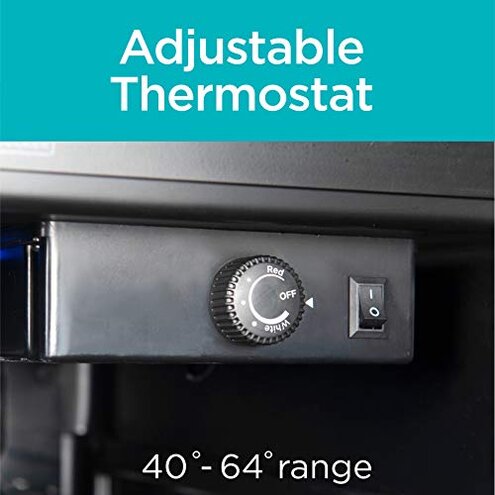
- Look for dual-zone models with verified temperature logs to directly address temperature drift.
- Choose low-vibration compressors and check noise dB specs before buying to avoid noise problems.
- Prioritize seal quality and thicker insulation specs to reduce the need for hidden clearance work.
- Buy from retailers with easy returns if you worry about DOA or early failures and slow manufacturer support.
The bottom line
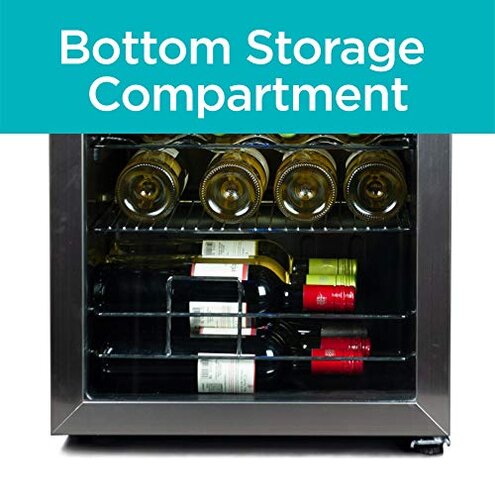
Main regret Temperature instability combined with persistent compressor noise is the chief buyer complaint.
Why worse These two issues together make the unit less suitable than typical mid-range fridges for precise, quiet wine storage.
Verdict Avoid this model if you need steady serving temps or a quiet placement; consider alternatives with stronger stability and quieter compressors.
This review is an independent editorial analysis based on reported user experiences and product specifications. NegReview.com does not sell products.