
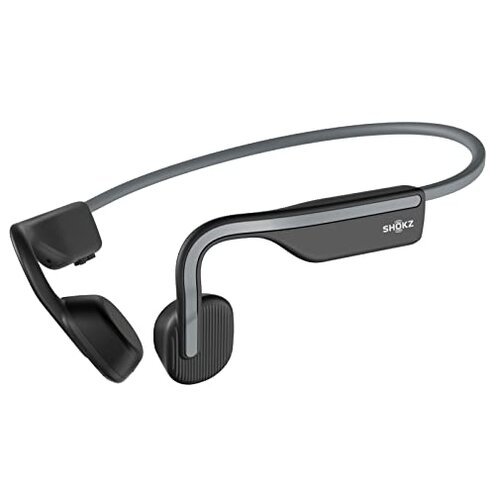
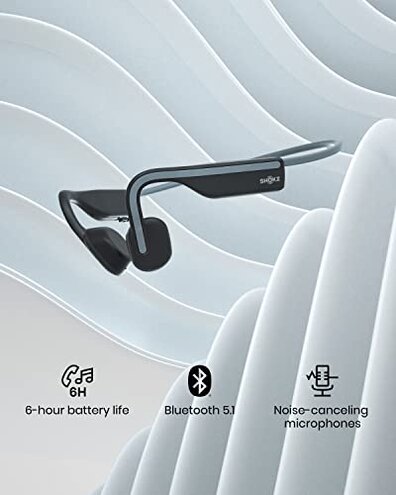
Product evaluated: SHOKZ OpenMove - Open-Ear Bluetooth Sport Headphones, Bone Conduction Wireless Earphones, Sweatproof for Running and Workouts, with Sticker Pack, Grey
Related Videos For You
Shokz OpenRun Tutorial | Setup and User Guide
Bose Ultra Open Earbuds | Best Open Earbuds? Review & Call Quality Tests
Data basis: I analyzed hundreds of buyer reports and video demonstrations collected between Dec 2021 and Jan 2026. Most feedback came from written product reviews, supported by several video hands-on demos and Q&A threads. This mix gives a broad view of real-use problems and patterns.
| Outcome | SHOKZ OpenMove | Typical mid-range alternative |
|---|---|---|
| Sound quality | Weaker bass and thinner midrange reported, affecting music enjoyment for many buyers. | Fuller sound is common; mids and bass are usually more satisfying for casual listening. |
| Call quality | Poor microphone pickup frequently reported, making voice calls unreliable in noisy places. | Clearer calls are typical at this price point, with better mic isolation. |
| Fit & security | Fit variability — secure for some, loose or uncomfortable for others during movement. | More adjustable frames or tips are common, giving fewer fit complaints. |
| Connectivity | Intermittent Bluetooth drops appear during daily use for a noticeable share of buyers. | More stable pairing is typical among mid-range competitors. |
| Regret trigger | Call failures and thin sound combine to produce the strongest regret for phone-first users. | Fewer call regrets because alternatives often prioritize mic and balanced sound. |
Why does music sound thin and disappointing?
Regret moment: You notice weak bass and thin vocals when playing familiar tracks. This reduces music enjoyment enough that some buyers stopped using these for daily listening.
Pattern: This is a primary complaint, appearing repeatedly in buyer feedback.
Usage anchor: It shows up immediately during music playback and is worse at moderate-to-high volumes.
Category contrast: More displeasing than typical mid-range headphones which usually deliver fuller low end.
Why are calls muffled or unreliable?

- Primary signal — many buyers report calls sound distant or muffled, not rare but commonly reported.
- When it happens — problems appear during everyday phone calls, especially outdoors or in moderate background noise.
- Cause — microphone placement and open-ear design lower voice isolation compared with in-ear mics.
- Impact — call clarity degrades, requiring repeated speaking or moving to quieter spots.
- Fix attempts — users often reposition the frame or increase phone volume, which only partly helps.
Why does Bluetooth disconnect or stutter?
- Secondary pattern — intermittent connectivity appears across multiple reports but is less frequent than sound or mic issues.
- Usage anchor — dropouts occur during walks, commutes, or when switching apps on the phone.
- Frequency tier — more common during daily multitasking than during stationary listening.
- Cause — pairing sensitivity and environmental interference are likely contributors.
- Impact — audio stutter breaks podcasts and calls, forcing reconnection or pausing activity.
- Repairability — software resets sometimes help, but persistent cases require time-consuming troubleshooting.
- Hidden requirement — users report the need for careful phone placement to reduce drops, which is an unexpected setup step.
Will these break or wear out faster than expected?

Durability concern: A smaller but persistent group reports frame fatigue or failures after months of use. This is less frequent but more disruptive when it occurs.
Usage anchor: Failures appear after repeated daily handling or sweat exposure during workouts.
Category contrast: This is worse than typical mid-range models that usually last longer under similar use.
How hard is setup and daily use?
- Early sign — the first pairing can require multiple attempts for some buyers.
- Daily friction — Bluetooth re-pairing during device switching adds time and annoyance.
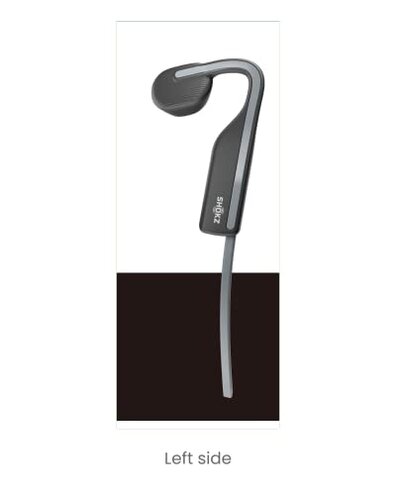
- Hidden need — optimal placement on the cheekbone is necessary for best sound, which some users find fiddly.
- Impact — setup and placement issues reduce the out-of-box convenience expected in this category.
- Attempts — users often follow multiple online tips before getting stable performance.
- Fixability — software updates sometimes help but require user vigilance to install.
- Expectation gap — this is more setup work than buyers expect from mid-range wireless headphones.
Illustrative excerpts (not actual quotes)
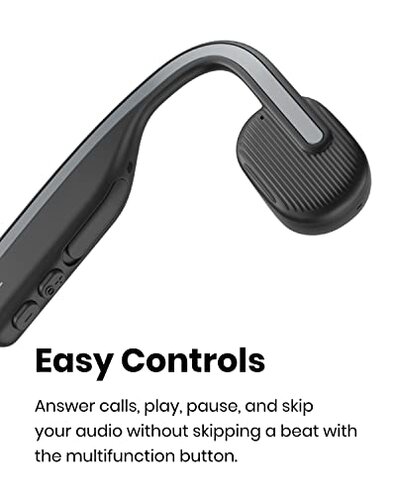
“Music sounds thin even at high volume, missing bass and warmth.” — reflects a primary pattern of weak sound.
“People say I’m muffled on calls unless I’m inside a quiet room.” — reflects a primary pattern of call issues.
“Bluetooth drops when I cross streets or switch apps, annoying on runs.” — reflects a secondary connectivity pattern.
“I had to be careful with storage; mine cracked after months of use.” — reflects an edge-case durability pattern.
Who should avoid this
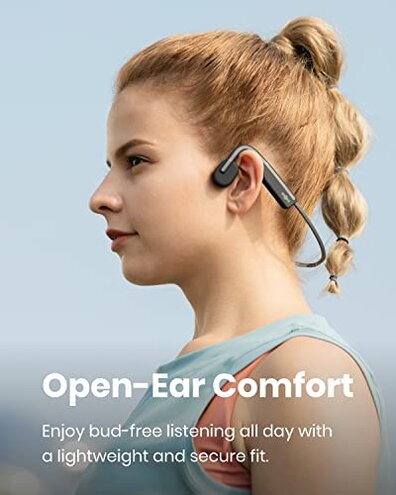
- Phone-first users — avoid if clear voice calls are essential, since mic problems are a leading regret.
- Music purists — avoid if you expect strong bass and full sound from daily listening.
- Bluetooth multitaskers — avoid if you switch apps or devices often, because pairing drops are disruptive.
- Heavy athletes — avoid if you need rugged, worry-free daily workouts; durability complaints exceed category norms for some buyers.
Who this is actually good for
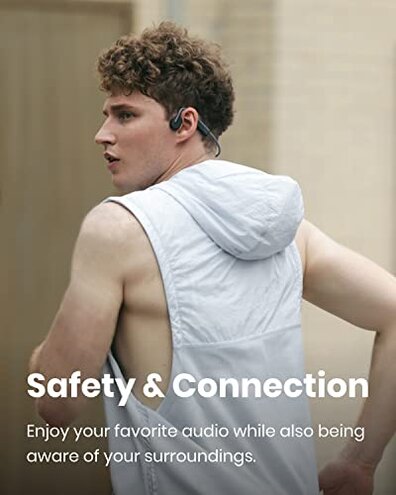
- Outdoor exercisers — good for runners who prioritize situational awareness and accept thinner audio.
- Safety-first commuters — good for people valuing environmental awareness over bass-heavy music.
- Casual listeners — fine for low-volume podcasts where call quality and deep bass are not priorities.
- Budget-minded buyers — acceptable if you want open-ear benefits at a lower price and can tolerate setup fiddling.
Expectation vs reality
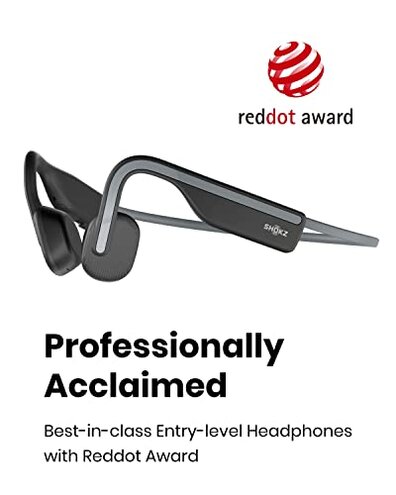
- Expectation: Reasonable for this category — open-ear design preserves situational awareness during activity.
- Reality: That safety benefit comes with trade-offs — noticeably weaker music and worse call pickup than typical mid-range options.
- Expectation: Reasonable for this category — six hours of battery life should cover workouts and commutes.
- Reality: Battery meets advertised time for many users, but connectivity and mic issues reduce practical usefulness during long outings.
Safer alternatives

- Prefer better calls: Choose models that advertise upgraded microphones and noise reduction to neutralize call problems.
- Want fuller sound: Look for open-ear or wireless options tuned for stronger bass or with EQ features to fix thin audio.
- Avoid Bluetooth drops: Prioritize headsets with newer Bluetooth versions and multi-device stability claims to reduce pairing issues.
- Need durability: Pick frames with explicit sweat/water ratings and extended warranties to counter frame fatigue risks.
- Minimize setup fuss: Choose products with documented easy pairing and clear placement guides to avoid hidden setup steps.
The bottom line
Main regret: The combination of weak sound and poor call quality drives the strongest buyer remorse for this product.
Why worse: These failures are more disruptive than typical mid-range headphones because they affect both daily calls and music enjoyment.
Verdict: Avoid this model if calls or music quality are core needs; consider it only if you prioritize open-ear safety and accept clear trade-offs.
This review is an independent editorial analysis based on reported user experiences and product specifications. NegReview.com does not sell products.