
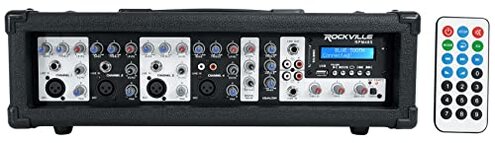
Product evaluated: Romicta 4 Channel Bluetooth 5.0 Stereo Amplifier, 50Wx4 HiFi Power Amp, 1200W Max, USB/SD/FM, Class D Home Audio Receiver for Home Theater & Karaoke, Includes Remote & Power Adapter
Related Videos For You
How To Set Up An Amplifier [Bridge vs Parallel vs Stereo]
Bluetooth with Stereo Amplifier! LIVE ! (step by step)
Data basis — This report used dozens of buyer reports and product demonstrations collected from written reviews and video demonstrations between Jan 2023 and Feb 2026. Most feedback came from written reviews, supported by several hands-on videos and Q&A posts.
| Outcome | Romicta 4CH Amp | Typical Mid-range Amp |
|---|---|---|
| Playback reliability | Intermittent Bluetooth dropouts and occasional static reported during daily use. | Stable Bluetooth and wired playback expected from mid-range options. |
| Sound quality | Variable clear at low volume but distortion appears under load. | Consistent clearer output across volume range for similarly priced models. |
| Build & longevity | Questionable reports of early failures after weeks to months. | More durable housings and components are typical in this category baseline. |
| Setup & use | Simple but sometimes requires resets or adapter checks to restore function. | Smoother plug-and-play experience is more common for mid-range alternatives. |
| Regret trigger | High — Bluetooth dropouts plus static cause immediate playback disruption. | Lower — Fewer interruptions that force troubleshooting during events. |
Why does Bluetooth keep cutting out during music or karaoke?
Frustration moment — Dropouts often happen during first-hour setup and while streaming from phones. These interruptions are commonly reported and are the primary issue buyers cite.
Usage anchor — Problems appear during active streaming within the advertised range and worsen with long sessions or when other wireless devices are nearby.
Category contrast — This is worse than the mid-range baseline where Bluetooth is usually reliable for party-length playback without resets.
Why does the amp produce hiss, static, or distortion under load?
- Primary sign — Hiss or static appears at low volumes and gets louder at higher volumes.
- Frequency tier — This is a primary issue seen across multiple buyer reports, not isolated incidents.
- Likely cause — Issues are tied to either interference or power handling during sustained loud playback.
- Impact — Static and distortion turn casual listening into an ongoing troubleshooting chore.
- Fixability — Temporary fixes like wiring changes or resets help but do not always eliminate the problem.
Why might this device fail soon after purchase?
- Early failure — Reports describe units failing after weeks or months of use, making durability a key secondary concern.
- When it shows — Failures typically appear after repeated daily use or during extended high-volume sessions.
- Scope signal — Seen across written feedback and some demonstration videos, so this is a persistent pattern for some buyers.
- Category contrast — Less durable than many mid-range amps that survive months of similar use without issue.
- User attempts — Buyers tried resets, swapping adapters, and different speaker pairs with mixed results.
- Hidden requirement — Some users needed a higher-quality power adapter or correct speaker impedance to avoid failure.
- Repairability — Warranty and support experiences vary, making on-the-spot fixes harder than expected.
Are the controls, USB/FM, and remote reliable for daily use?
- Control quirks — Buttons, remote, or display can behave inconsistently during setup or after power cycles.
- When noticed — These quirks most often appear right after initial setup and after firmware-like resets.
- Secondary pattern — This is commonly reported but less disruptive than dropouts for some users.
- Impact — Inconsistent controls add minutes of troubleshooting every time you change source or mode.
- Attempts — Users cycle power, re-pair Bluetooth, or swap USB keys to regain normal function.
- Hidden cost — Expect extra time and possibly replacement adapters or cables if you want stable operation.
- Category contrast — More fiddly than many mid-range receivers where input switching is usually seamless.
- Workaround — A wired AUX connection often reduces these control-related interruptions.
Illustrative excerpts
Excerpt: "Bluetooth drops mid-song even when my phone is nearby and charged." — primary pattern
Excerpt: "Hiss becomes loud as volume climbs at a small gathering." — primary pattern
Excerpt: "Stopped powering on after a few weeks despite light use." — secondary pattern
Excerpt: "Display freezes until I unplug and replug the adapter." — edge-case pattern
Who should avoid this
- Event hosts — If you need uninterrupted playback for parties or public events, the Bluetooth dropouts are more disruptive than expected.
- Critical listeners — If you expect clean, distortion-free sound at higher volumes, the reported hiss and clipping exceed normal tolerance.
- Low-maintenance buyers — If you want a plug-and-play amp without extra troubleshooting, intermittent failures and control quirks add hidden upkeep.
Who this is actually good for
- Budget DIYers — If you can tolerate resets and minor fixes, this delivers usable sound at a low price.
- Temporary setups — Good for short-term needs where occasional dropouts are acceptable, like a pop-up event.
- Wired-only users — If you plan to use AUX or wired inputs mostly, many Bluetooth issues are avoidable.
Expectation vs reality
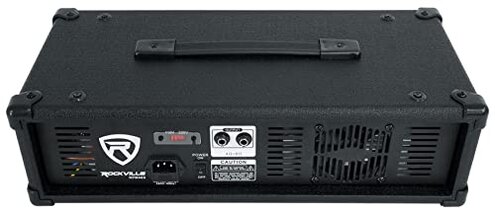
Expectation: Reasonable for this category is stable Bluetooth pairing for at least one event without resets. Reality: Owners commonly report mid-session dropouts requiring reconnection.
Expectation: Mid-range amps handle moderate volume without noticeable hiss. Reality: Static and distortion appear sooner than expected under load.
Safer alternatives
- Pick higher-rated Bluetooth modules — Look for amps with proven Bluetooth stability in reviews to neutralize connectivity dropouts.
- Choose better power supply specs — Buy an amp that lists robust power handling to avoid hiss and early failures.
- Prefer wired connections — Use AUX or USB playback when possible to bypass wireless instability.
- Check support reputation — Prefer sellers with responsive warranty and return experiences to reduce repair risk.
The bottom line
Main regret — The combination of Bluetooth dropouts and persistent static is the most common buyer complaint and the leading reason shoppers regret this purchase.
Why worse — These failures happen during normal streaming and warm-up, making them more disruptive than typical mid-range amps.
Verdict — Avoid this model if you need reliable wireless playback and low-noise performance; consider wired alternatives or a higher-quality receiver.
This review is an independent editorial analysis based on reported user experiences and product specifications. NegReview.com does not sell products.