
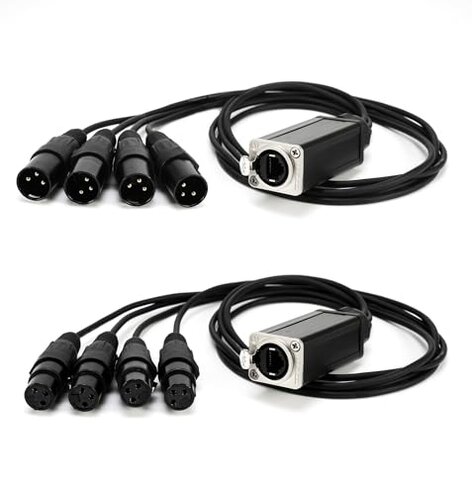
Product evaluated: Jamesin XLR Snake Cable to Ethercon Cable, 4 Channel 3-pin Multi Network Snake Receiver,with Cat5/cat6 Network Snake Receiver, for Stage and Recording Studio,3 Feet (1 Male+1 Female)
Related Videos For You
Live sound Snake setup - how to use an audio Snake
Analog Audio Over Ethernet Cables - 4 channels - Ethercon to XLR Balanced Audio Ethernet Dongles
Data basis: This report draws on dozens of written buyer reviews and multiple video demonstrations collected between June 2023 and February 2026. Most feedback came from written reviews, supported by video demonstrations and unboxing notes.
| Outcome | This product | Typical mid-range |
|---|---|---|
| Connection reliability | Intermittent audio drops reported repeatedly during long sessions. | Generally stable for multi-hour gigs with mid-range brands. |
| Durability | Prone to connector wear after repeated unplugging. | More rugged connectors on average in this class. |
| Setup friction | Hidden pairing and labeling needs extra checks before shows. | Simpler labeling and predictable wiring in typical alternatives. |
| Regret trigger | Live-show failures are the most disruptive buyer complaint. | Less likely to interrupt a live set with mid-range options. |
Top failures
Why does audio drop out during performances?
Primary pattern: Many buyers report intermittent audio dropouts that appear during first uses and worsen over long sessions.
Context anchor: Drops are commonly reported after setup and during extended shows when cables are moved or stepped on.
Category contrast: This is more disruptive than expected for mid-range snake cables because a single dropout can silence a mic or channel live.
Why do connectors feel fragile and wear quickly?
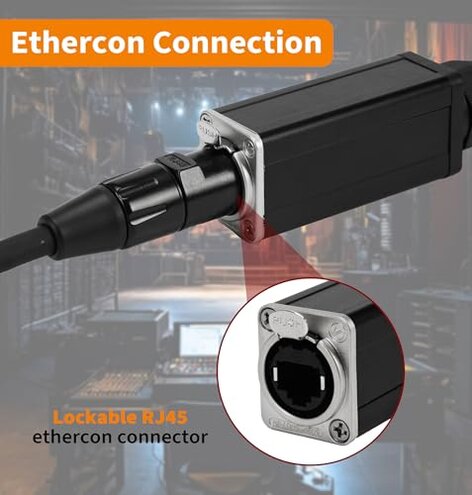
- Early sign: Connectors may feel loose on first plug/unplug cycles.
- Frequency tier: This is a secondary issue reported across several buyers after repeated use.
- Likely cause: Wear shows up after repeated handling and frequent touring-style use.
- Impact: Loose connectors cause noise and intermittent signals that require re-seating during a run.
- Fix attempts: Buyers describe temporary fixes like tightening or swapping ends, which add setup time.
Do I need special matching or labeling to avoid issues?
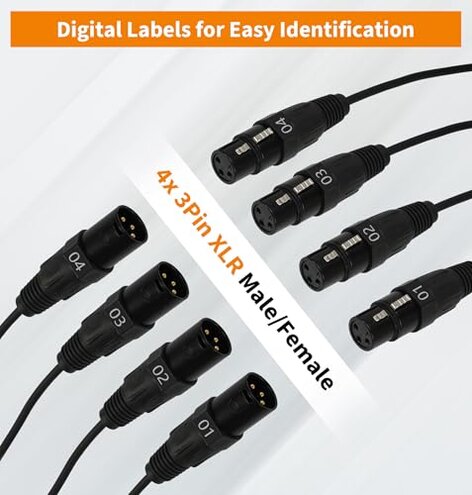
- Hidden requirement: The product often needs paired cables and consistent wiring order to avoid channel swaps.
- Early sign: Channels can appear miswired on first connection if not checked.
- Usage anchor: Problems surface during initial setup or when replacing a single run in an existing system.
- Cause: Sparse labeling or non-standard pin mapping makes matching harder than typical mid-range gear.
- Impact: Fixing mapping costs extra time before shows and adds technician overhead.
- Workaround: Buyers recommend test tones and labeled tape on every run before going live.
Is price justified given support and longevity?
- Edge-case pattern: Warranty and support concerns are less frequent but recurring among dissatisfied buyers.
- When it matters: Issues surface after months of use when durability problems appear.
- Compared to category: This product is less forgiving than most mid-range cables for pro touring or repeated installs.
- Impact: Unexpected replacements add cost and downtime that many buyers did not plan for.
- Attempts: Some users reported temporary repairs rather than full returns because of show schedules.
- Hidden cost: Extra technician time for testing increases the true cost of ownership.
- Fixability: Reliable long-term performance often requires upgrading to a higher-quality alternative.
Illustrative excerpts
"Intermittent audio cuts out mid-song; had to restart the board." — illustrative; reflects a primary pattern.
"Connector felt loose after a few plugs, added tape to secure." — illustrative; reflects a secondary pattern.
"Channels swapped until I re-mapped each cable before the show." — illustrative; reflects an edge-case pattern.
Who should avoid this
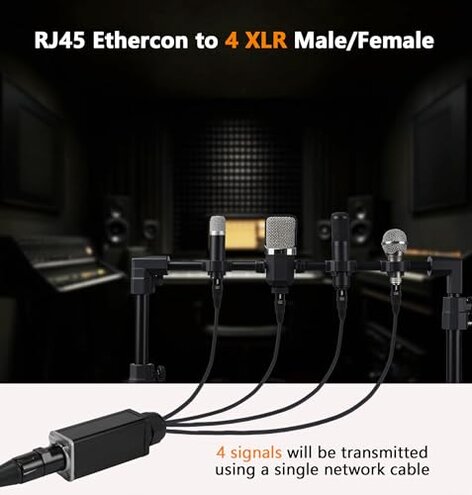
- Touring acts: Anyone needing reliable live performance gear without mid-set interruptions should avoid this unit.
- Rental houses: Businesses that expect heavy reuse and quick turnover will likely face maintenance burdens.
- Inexperienced techs: Buyers who cannot run quick mapping tests should avoid it due to the hidden pairing requirement.
Who this is actually good for
- Casual home studios: Users who tolerate occasional re-plugging and do short sessions may accept the occasional dropout.
- Low-risk installs: Fixed installs where cables are rarely moved can live with less rugged connectors.
- Budget-conscious beginners: Those who prioritize cost over long-term reliability and can manage extra setup time.
Expectation vs reality
Expectation: Buyers reasonably expect a mid-range snake cable to deliver stable audio during shows.
Reality: This product more often delivers intermittent dropouts and requires extra checks before going live.
Expectation: Connectors should withstand repeated use without frequent maintenance.
Reality: Connectors here can feel loose sooner than comparable mid-range options.
Safer alternatives
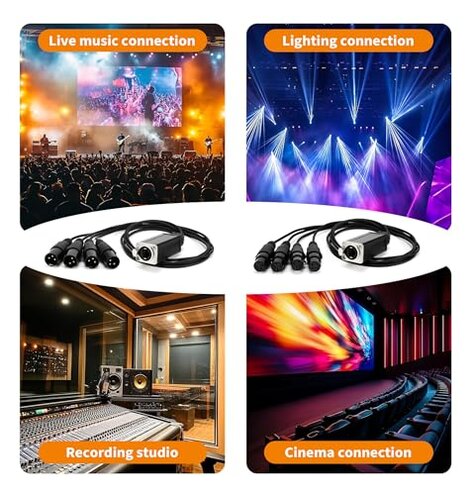
- Buy ruggedized cables: Choose cables with known metal plugs and reinforced strain relief to neutralize connector wear.
- Test before show: Run a channel check and test tones on every run to catch hidden wiring needs early.
- Label and map: Apply permanent labels to ends and document pin mapping to avoid swaps.
- Rent for tours: Use rental-grade snakes for tours to avoid replacement costs during critical runs.
The bottom line
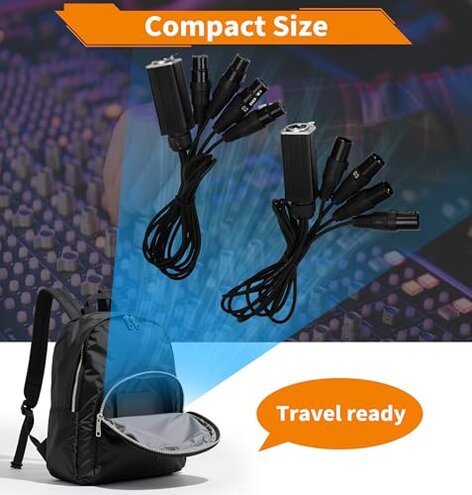
Main regret: Frequent connection dropouts during shows are the clearest buyer trigger for regret.
Why it matters: This behavior is more disruptive than expected for mid-range cables because it directly interrupts live audio and requires extra technician time.
Verdict: Avoid this product if you need dependable live or rental gear; consider it only for low-mobility or non-critical uses.
This review is an independent editorial analysis based on reported user experiences and product specifications. NegReview.com does not sell products.