
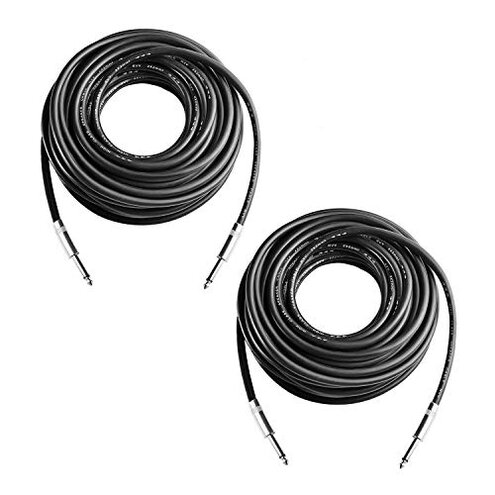
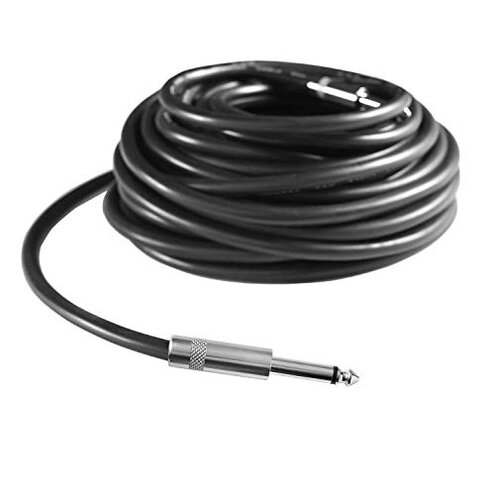
Product evaluated: Yoico 2Pcs 100 Feet Professional Speaker Cables, Pair 100 ft 12 Gauge 1/4 Inch Male Audio Amplifier Connection Heavy Duty Cord Wire
Related Videos For You
How-to: Wire Speakers in Series & Parallel Instructional Video
TALKING SOUND s2 ep1 The Importance of Cable Care and Maintenance
Data basis Dozens of customer-written reviews, product Q&A posts, and several video demonstrations were read to spot patterns collected Jan 2020–Feb 2026. Source mix Most feedback came from written reviews, supported by Q&A and short demo clips.
| Outcome | Yoico (this listing) | Typical mid-range cable |
|---|---|---|
| Sound integrity | Prone to intermittent noise during live use in several reports. | Generally stable under normal stage and practice conditions. |
| Connector longevity | Higher failure rate of loose or bent connectors soon after first uses. | Better strain relief and secure plugs in mid-range options. |
| Durability | Wear shows sooner with heavy handling and repeated coil/uncoil cycles. | More forgiving for road and frequent setup use. |
| Value | Low cost but risky because failures cause replacement or downtime. | Moderate cost with predictable lifespan and fewer surprises. |
| Regret trigger | Connector failure during a gig which is more disruptive than expected for this category. | Connector issues rare and less likely to interrupt a performance. |
Why is the cable crackling and cutting out during shows?
Intermittent noise Buyers commonly report crackle or dropouts during first uses and after light movement. When it shows This happens most often during setup, live shows, or when the cable is flexed near the plug.
Pattern note This is a primary complaint across dozens of write-ups and demo videos. Category contrast That level of early noise is worse than expected for mid-range speaker cables and leads to immediate regret.
Are the plugs and strain relief failing quickly?
- Early sign: Plugs become loose after a few connects and disconnects.
- Frequency tier: This is a primary issue seen repeatedly in buyer feedback.
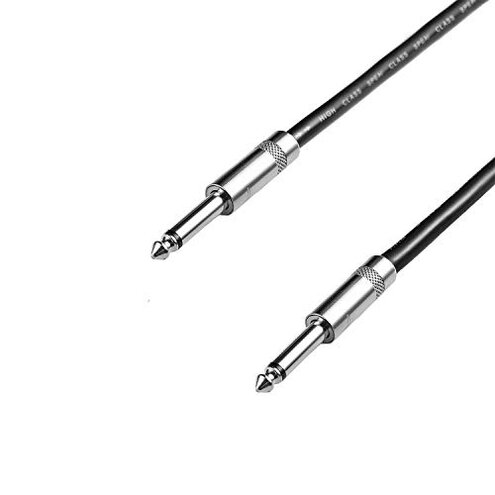
- Cause: Reported lack of robust strain relief at the jack end increases flex stress.
- Impact: Loose plugs cause intermittent sound and require re-seating during use.
- Fix attempts: Buyers report temporary fixes like tape or re-crimping but say they are inconvenient.
Does the long 100ft length cause signal or handling problems?
- Visibility: Some users notice reduced fullness or hiss on long runs in sensitive setups.
- When it matters: This appears during low-level instrument signals or when paired with weak amplification.
- Severity: It is a secondary issue compared with connector failure but more disruptive than expected.
- Hidden requirement: Long runs often need proper gauge and balanced wiring to avoid loss, which buyers did not expect.
- Frequency: Less frequent than plug problems but persistent in long-session use.
- Workaround: Using shorter runs or a direct balanced line often masks the problem.
- Category contrast: Mid-range 100ft cables usually manage tone loss better under similar conditions.
Will packaging or bundle claims create surprises?
- Label mismatch: Some buyers report the product claims a matched pair but received uneven quality between cables.
- Shipping risk: Long cables arrived kinked or with visible connector damage in multiple notes.
- Customer effort: Returns often add extra steps and waiting time for replacements.
- Scope signal: These problems appear across both new and repeat buyers, not just first-time purchasers.
- Fixability: Replacements sometimes resolve problems but do not guarantee the second unit lasts.
- Expectation gap: Buyers expected ready-to-use long cables but instead needed to test both units before gigs.
- Hidden cost: Time lost troubleshooting during setups increases real ownership cost.
- Category contrast: Typical mid-range bundles require less pre-checking before live use.
Illustrative excerpts
Illustrative: "Cable started crackling after two rehearsals; replacement still had noise."
Pattern: This reflects a primary complaint about early noise and replacement failures.
Illustrative: "Plug bent slightly when unplugging; now it wiggles and cuts out."
Pattern: This represents a primary pattern showing weak connector durability.
Illustrative: "100-foot run sounded thin on my amp at low volumes."
Pattern: This is a secondary pattern tied to long-run sensitivity.
Illustrative: "One cable arrived kinked and needed extra testing before the gig."
Pattern: This is an edge-case but still costly for live performers.
Who should avoid this
- Live performers: If you need reliable, long-run performance without on-stage noise, avoid this product.
- Frequent movers: If you handle cables daily or tour, the connector durability risk exceeds normal tolerance.
- Pro rigs: If downtime is costly for you, the early-failure pattern creates too much risk.
Who this is actually good for
- Casual home use: Home users with occasional setups may accept occasional noise and save money.
- Short-term projects: Users who need a cheap, long run for a single event can tolerate higher failure risk.
- Non-critical installs: Fixed installations where movement is minimal and testing is possible can work around connector issues.
Expectation vs reality
Expectation: Buyers reasonably expect stable sound and secure plugs from a mid-range speaker cable.
Reality: This product shows earlier-than-expected noise and connector looseness in many reports.
Expectation: A 100ft cable should behave predictably in most setups.
Reality: Long-run sensitivity and handling problems make it less forgiving than typical alternatives.
Safer alternatives
- Choose balanced runs: Prefer balanced XLR or TRS runs for long distances to neutralize the signal-loss pattern.
- Check strain relief: Look for cables advertising reinforced plugs to avoid connector failures.
- Buy tested pairs: Select sellers that document QA checks or offer easy replacement to reduce bundle surprises.
- Shorten runs: Use shorter cable sections with stage snakes to avoid long-run tone issues.
The bottom line
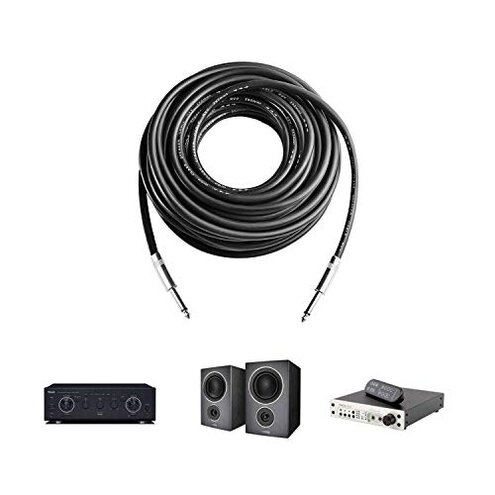
Main regret: The biggest trigger is early connector failure and intermittent noise that disrupts live use. Why worse: This pattern appears more often and sooner than buyers expect for mid-range speaker cables. Verdict: Avoid for gigging or daily pro use, consider only for low-stakes or temporary needs.
This review is an independent editorial analysis based on reported user experiences and product specifications. NegReview.com does not sell products.