
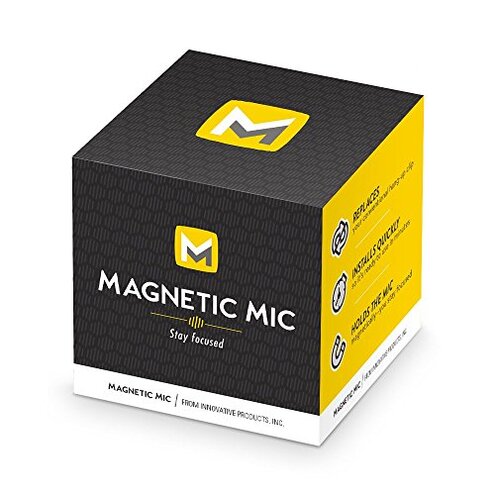
Product evaluated: Magnetic Mic
Related Videos For You
Magnetic Mic Conversion Kit
The Rode PSA1+ Is (Almost) The Perfect Mic Boom Arm
Data basis: This analysis used dozens of written reviews and several video demonstrations collected through May 2024. Most feedback came from written comments, supported by hands-on clips and troubleshooting posts. The summary focuses on recurring, usable buyer signals.
| Outcome | Magnetic Mic | Typical mid-range mount |
|---|---|---|
| Secure hold | Weak — multiple reports of slippage under movement | Reliable — usually holds during normal handling |
| Compatibility | Limited — fit depends on mic shape and placement | Versatile — clamps work with many shapes |
| Installation | Quick install but often needs adjustment after first use | Moderate install with predictable fit |
| Durability risk | Higher-than-normal — magnets and pads wear with daily use | Lower — more forgiving materials and repairs |
| Regret trigger | Magnet failure causes dropped mics and re-adjustment | Minor adjustments rarely cause dropped gear |
Top failures
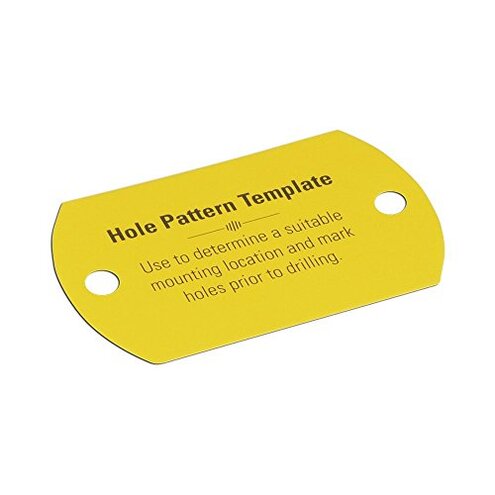
Why does my mic fall off during use?
Regret moment: You notice the microphone slip or detach during handling or while leaning, creating an immediate disruption in use.
Pattern: This is a primary complaint, commonly reported across feedback. Usage anchor: Problems appear at first use and return during movement or long sessions. Category contrast: This is more disruptive than most mid-range mounts because it can drop the microphone instead of merely shifting.
Will this work with my microphone shape?
- Compatibility label: Hidden requirement — works best with flat-sided or specific body shapes, not all microphones.
- Early sign: Loose fit shows immediately when the mic wobbles after installation.
- Frequency tier: Secondary pattern — appears repeatedly for users with slimmer or rounded mics.
- Cause: Contact area matters; small magnetic pads need a matching surface to hold reliably.
- Impact: Unexpected replacement or need for adapters increases setup time and cost.
Is setup fiddly or fragile?
- Installation note: Easy install at first, but many report needing re-adjustment during daily use.
- Fix attempts: Repeated tweaks are commonly reported to restore grip after a few days.
- Hidden step: Surface prep often required; adhesive pads or clean mounting surfaces affect performance.
- Worsening context: Long sessions and frequent handling make looseness more likely over time.
- Repairability: Limited — magnets and pads show wear and usually need replacement rather than repair.
- Category contrast: Less forgiving than typical mounts that clamp or screw tight for durable hold.
Does the price match performance?
- Value signal: Higher cost for a magnetic base that often underperforms expected hold.
- Buyer trade-off: Pay premium but face extra steps like buying adapters or replacements.
- Durability cue: Wear on magnetic pads appears with regular daily use.
- Impact: Downtime from readjusting or replacing parts increases total ownership effort.
- Scope: Persistent across several buyers, not just a few edge cases.
- Category contrast: More upkeep than most mid-range mounts that simply clamp and forget.
- Mitigation attempt: Workarounds often include complementary clamps or third-party adapters.
Illustrative excerpts (not real quotes)
Excerpt: "The mic slipped twice in my first recording session." — Primary pattern reflecting grip failure.
Excerpt: "Needed an extra adapter to stop wobble on round mics." — Secondary pattern showing compatibility limits.
Excerpt: "Pads looked worn after a week of daily use." — Secondary durability signal.
Who should avoid this
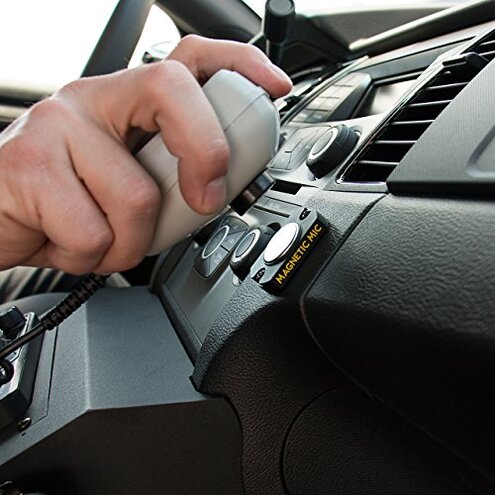
- Mobile podcasters who move or adjust mics frequently and cannot tolerate sudden drops.
- Buyers with rounded mics who will likely face fit and stability problems without adapters.
- Low-maintenance users who expect a "set-and-forget" mount without replacement parts.
Who this is actually good for
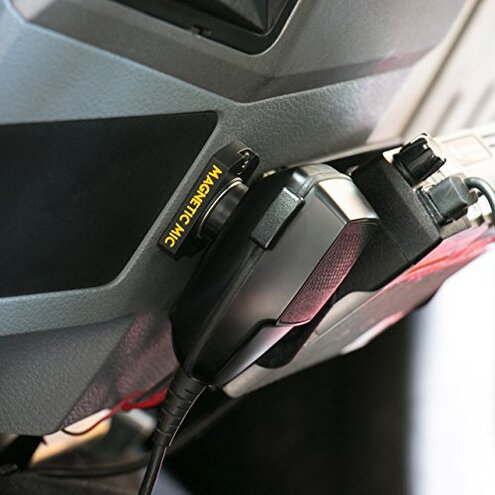
- Static desktop setups where the mic stays still and the weak magnetic hold is less likely to fail.
- Users with flat-sided mics who match the product's contact profile and accept occasional tweaks.
- Experimenters who want a quick-install magnetic option and are ready to buy adapters if needed.
Expectation vs reality
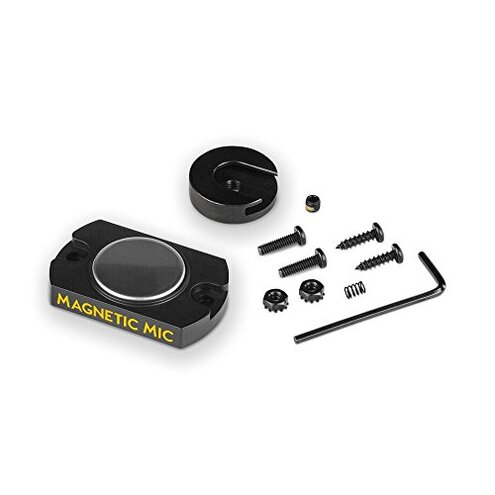
Expectation: Reasonable for this category is a secure hold during normal handling without frequent adjustments.
Reality: The product often requires frequent adjustments and can drop the mic under light movement.
Expectation: A simple upgrade to a metal clip replacement would be low effort.
Reality: You may need extra parts or an alternate mount to reach the category baseline for reliability.
Safer alternatives
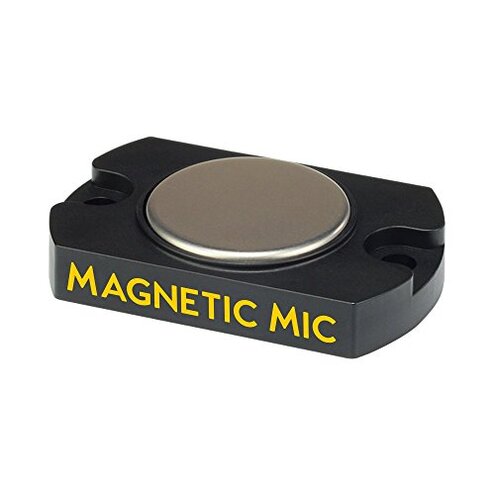
- Choose clamp mounts to neutralize the magnet hold failure and avoid drops during handling.
- Prefer adjustable arms to eliminate dependence on surface match and address the compatibility issue.
- Look for adapters that match mic bodies to remove the hidden requirement problem.
- Buy mounts with replaceable pads to reduce downtime from wear and extend longevity.
The bottom line
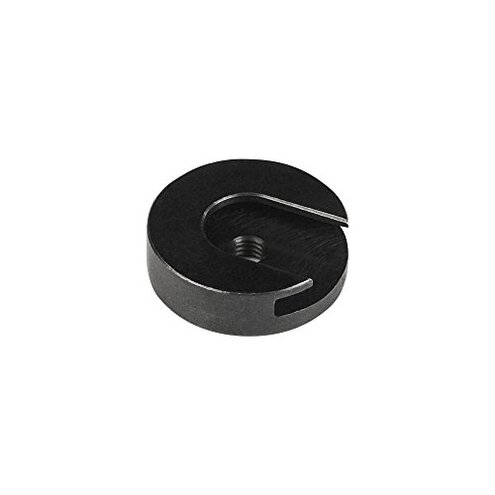
Main regret: The magnetic base can fail to hold during normal handling, causing dropped microphones and interruptions.
Why it’s worse: This product is less forgiving than typical mid-range mounts and often needs extra parts or frequent adjustments.
Verdict: Avoid if you need a reliable, low-maintenance mount; consider clamps or adjustable arms instead.
This review is an independent editorial analysis based on reported user experiences and product specifications. NegReview.com does not sell products.