
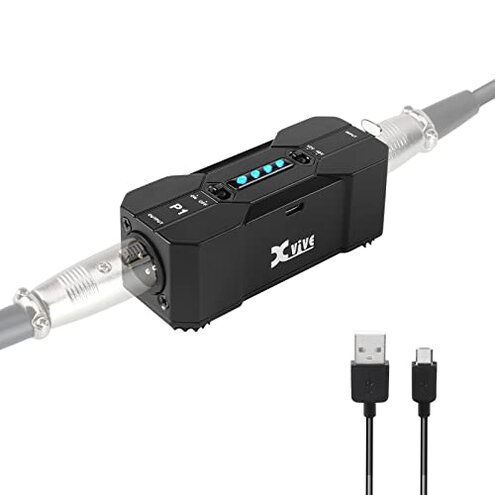
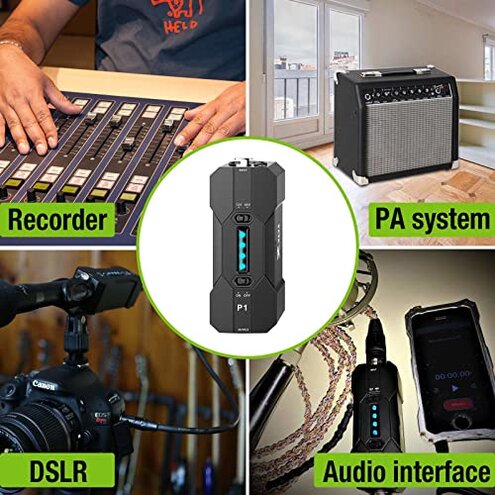
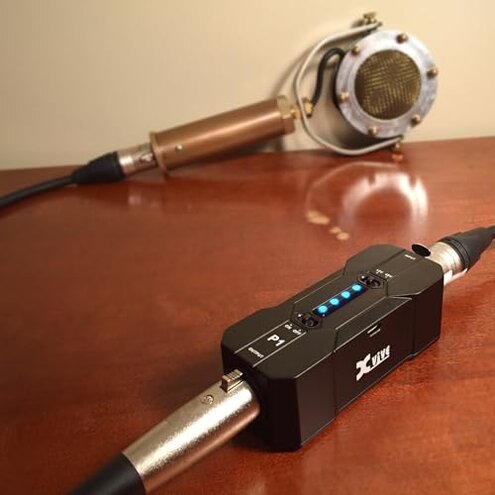
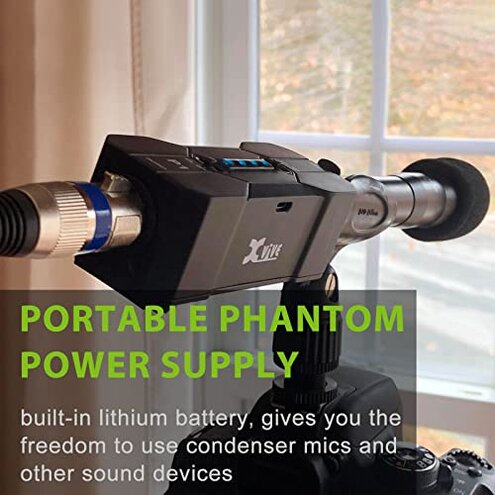
Product evaluated: Xvive P1 Phantom Power Supply 48V/12V Switch,Up to 40 Hours of Use,Rechargeable Portable Phantom Power for Condenser/Shotgun Microphones, Mic Preamp, Recording Studios
Related Videos For You
What Is Phantom Power And Why Do You Need It? - RecordingRevolution.com
Phantom Power - How to Avoid Damaging Your Microphones
Data basis: This report is based on dozens of written reviews and several video demonstrations collected through Feb 2026, with most feedback coming from written reviews and supported by filmed setup/tests.
| Outcome | Xvive P1 (this unit) | Typical mid-range alternative |
|---|---|---|
| Power reliability | Inconsistent power reported during long sessions, causing sudden cutouts. | Stable for long sessions with known battery behavior and better indicators. |
| Noise & audio quality | Intermittent hums and artifacts reported under some conditions. | Low-noise performance is common in comparable units. |
| Usability | Hidden steps (manual switches, cable choices) add setup friction. | Simpler plug-and-play with clearer status lights. |
| Durability | Mixed reports of wear and switch failure after repeated use. | More robust buttons and casings in mid-range peers. |
| Regret trigger | Unexpected shutdown during recording is the most disruptive buyer risk. | Predictable battery behavior reduces recording risk. |
Why did my mic suddenly cut out during a session?
Primary problem: Many buyers report unexpected shutdowns that drop phantom power during mid-session, making recordings unusable.
Usage anchor: This usually appears during long recording sessions or live streaming when continuous power is expected.
Pattern: This is a primary issue that appears repeatedly in user feedback and is more disruptive than the category baseline of predictable battery behavior.
Is the audio noisy or unstable with this supply?
- Early sign: Users commonly report a faint hum or subtle artifacts when using certain condenser mics.
- Frequency tier: This is a secondary issue seen across multiple reports rather than isolated complaints.
- When it shows: Noise often appears after switching voltages or with long XLR runs.
- Cause clue: Reports point to inconsistent output under varying loads, not just cable quality.
- Impact: Artifacts are more annoying than expected for mid-range units and can force retakes.
Why is setup and charging more fiddly than I expected?
- Hidden requirement: Buyers discover a need for the right cable and charging routine to avoid interruptions.
- Early sign: LED or status cues are described as unclear in many reports, causing confusion at first use.
- Frequency tier: This is a primary-to-secondary pattern—appears often enough to affect first-time setup.
- When it matters: Problems surface during travel or quick live setups when you expect instant readiness.
- Attempts to fix: Users tried extra cables and chargers, reporting only partial success in restoring reliability.
- Fixability: Workarounds exist but add extra steps and spare parts that many buyers did not expect to buy.
Will the unit last under frequent pro use?
- Durability signal: Several buyers describe switch failures or loosened connectors after months of heavy use.
- Scope: This is a secondary issue seen across multiple feedback sources, not just one-time reports.
- When it worsens: Wear appears after repeated instrument swaps, live gig handling, and frequent voltage switching.
- Category contrast: The P1 feels less robust than typical mid-range portable phantom supplies that tolerate touring use.
- Impact: Failures cause unexpected downtime and require replacements sooner than expected.
- Workaround: Gentle handling extends life, but that is more upkeep than most buyers expect for this price tier.
- Hidden cost: Replacement or backup units add extra expense and planning for professionals.
Illustrative excerpts
Excerpt: "Battery died mid-interview with no clear warning, lost the whole take."
Pattern: This reflects a primary pattern of sudden shutdowns during sessions.
Excerpt: "Setup lights were confusing and I guessed the wrong setting."
Pattern: This reflects a secondary pattern around unclear indicators at first use.
Excerpt: "After heavy gig use the switch became loose and unreliable."
Pattern: This reflects a secondary durability pattern seen in repeated handling.
Who should avoid this
- Live performers who need uninterrupted phantom power for long sets should avoid this due to unexpected shutdown risk.
- Field recordists who require low-noise, predictable power should avoid this because intermittent hums appear under load.
- Users seeking plug-and-play solutions should avoid this because setup and charging need extra steps and correct cables.
Who this is actually good for
- Casual podcasters who record short sessions and can tolerate occasional setup fiddling.
- Hobby streamers who want portability and can keep a backup power plan to handle shutdown risk.
- Home studios where sessions are short and troubleshooting time is available, accepting the noise trade-offs.
Expectation vs reality
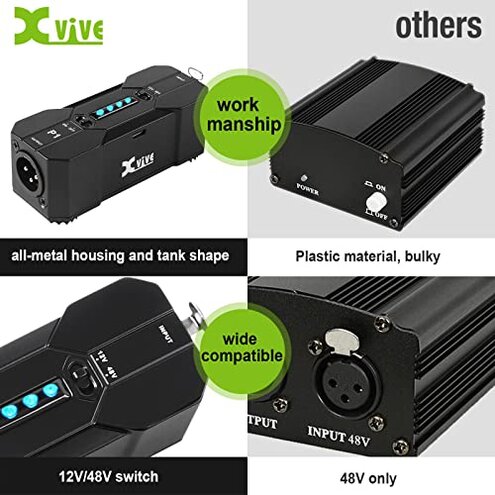
Expectation: A portable phantom supply should provide predictable battery life for long sessions, as is reasonable for this category.
Reality: The P1 shows unexpected shutdowns and unclear status cues that increase risk during critical recordings.
Expectation: Mid-range units usually offer low-noise audio under typical studio setups.
Reality: This unit can produce intermittent hum under certain loads, which is worse than expected.
Safer alternatives
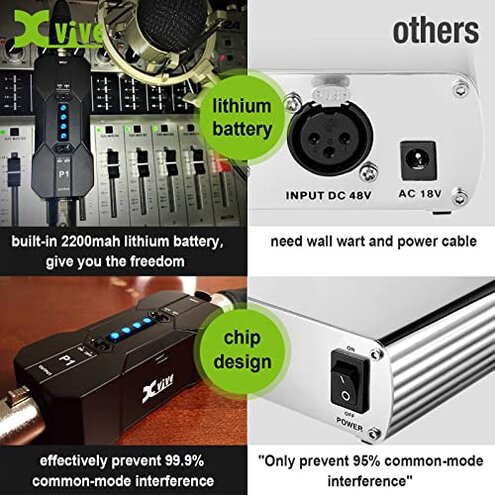
- Choose clear indicators—look for units with multi-color LEDs and battery percentage to avoid surprise shutdowns.
- Prioritize tested noise performance—seek products with explicit low-noise guarantees for condenser microphones.
- Pick robust builds—select devices marketed for touring or pro use to reduce switch and connector failures.
- Bring a backup plan—carry a second power source or use phantom supplies powered by mains for critical sessions.
The bottom line
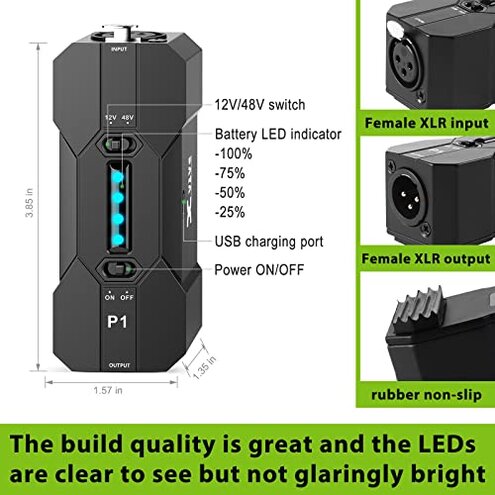
Main regret: The biggest buyer risk is unexpected shutdowns during recording, which is more disruptive than typical for mid-range phantom supplies.
Why it matters: Inconsistent power and setup confusion turn a convenience product into a potential session risk for professionals.
Verdict: Avoid this unit if you need dependable, low-noise phantom power for long or critical sessions.
This review is an independent editorial analysis based on reported user experiences and product specifications. NegReview.com does not sell products.