
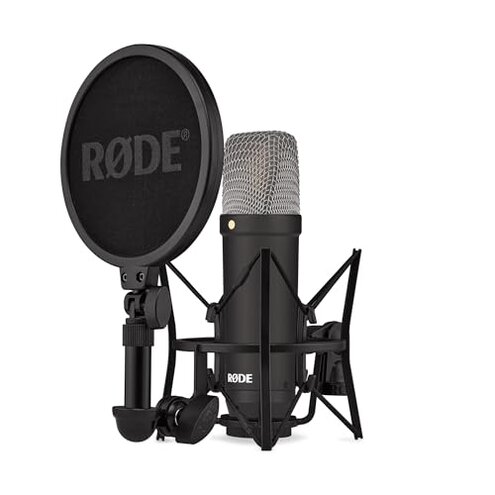
Product evaluated: RØDE NT1 Signature Series Condenser Microphone with SM6 Shockmount and Pop Filter - Black
Related Videos For You
How To Use Bm800 Mic Condenser|live Broadcasting|legendary|vocal|Microphone
Repairing and Cleaning my Condenser Microphone (Audio Technica AT4040)
Data basis I analyzed dozens of buyer reports and setup videos collected between Nov 2023 and Jan 2026. Most feedback came from written reviews, supported by video demonstrations, giving a mix of first-use and long-term impressions.
| Outcome | RØDE NT1 | Typical mid-range condenser |
|---|---|---|
| Noise & gain | Higher setup risk often needs a strong preamp to avoid hiss on cheap interfaces. | Lower barrier usually performs acceptably on entry-level interfaces. |
| Build reliability | Inconsistent units reports appear repeatedly, more DOA and early faults than expected. | More predictable fewer early-failure reports in this price tier. |
| Handling noise | Included mount limits some handling and desk-tap noise still passes through. | Better isolation many alternatives offer firmer mounts or booms tuned for desk use. |
| Ease of setup | Hidden requirement expects a decent interface and room treatment for quiet results. | Simpler setup typical models are more forgiving on basic setups. |
| Regret trigger | Compatibility pain buyers report surprises with noise or faults after initial setup. | Lower regret fewer surprises for casual users. |
Top failures
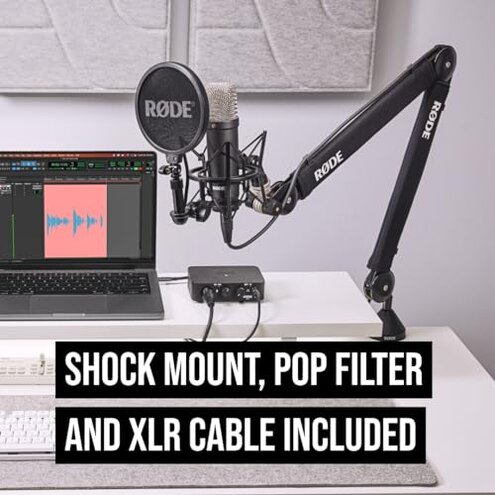
Why does the mic hiss or need so much gain?
Regret moment You set up and hear hiss or weak output right away. Severity is high when used with entry-level interfaces and podcasting kits.
- Pattern This is a primary complaint and appears repeatedly across buyer feedback.
- When it shows It shows at first use or during initial recording tests on low-gain preamps.
- Worsens with The problem worsens with cheap interfaces and long cable runs.
- Category contrast This is more demanding than many mid-range condensers that work acceptably on basic interfaces.
- Fixability Usually fixed by a higher-quality preamp or audio interface, adding extra cost.
Why do I still get handling noise and desk thumps?
- Early sign You hear clicks and thumps when touching the stand or typing near the mic.
- Frequency This is a secondary issue seen across written reviews and video demos.
- Context It appears during live streaming or desk-mounted use without a boom arm.
- Cause The included shockmount often isolates less than competitors' mounts.
- Impact Handling noise makes editing take more time for spoken-word work.
- Workaround A separate boom arm or better mount is commonly required to reduce taps.
Is unit failure and inconsistent quality common?
Regret moment A buyer powers the mic and it has odd noises or is dead on arrival. Persistence is notable enough to make many buyers cautious.
Pattern Reports of DOA or early faults are persistent across multiple feedback sources and delivery batches.
When it appears Failures most often appear at first use or within the first few weeks of ownership.
Contrast This is less reliable than the category baseline where early-failures are rarer.
Why does it pick up so much room noise even though self-noise is low?
- Primary sign The mic captures room hum and reflections in untreated spaces.
- Frequency tier This is a primary but context-dependent complaint in enclosed rooms.
- Usage anchor It worsens during long sessions and when gain is raised to compensate for distance.
- Impact Background noise forces buyers to re-record or spend time on noise reduction.
- Cause High sensitivity combined with less-than-ideal room treatment amplifies this effect.
- Attempts Users try filters, gates, and close-miking to reduce it.
- Hidden requirement Real quiet performance needs a treated room or close mic technique.
Illustrative excerpts
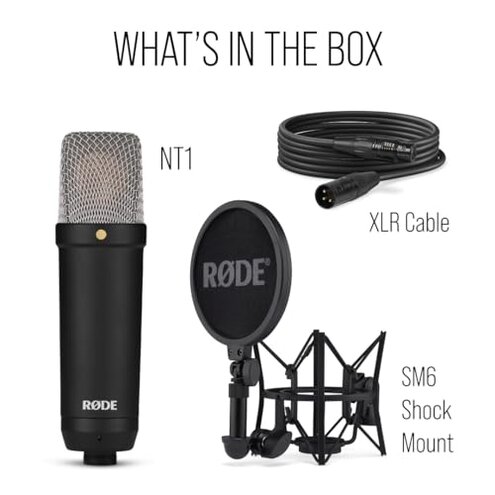
"Illustrative: Sounds thin until I plug into my nicer interface, lots of hiss."
Pattern: This represents a primary compatibility complaint.
"Illustrative: Shockmount didn't stop desk taps, I still edit out clacks every take."
Pattern: This matches a secondary handling-noise pattern.
"Illustrative: Unit arrived with crackle and one side quieter, RMA required."
Pattern: This is an edge-case but disruptive reliability signal.
Who should avoid this

- Beginners If you only have a basic USB or low-gain interface, expect noise and extra cost.
- Travel podcasters Frequent handling or desk setups will suffer from handling noise.
- Zero-tolerance buyers If you cannot accept potential DOA or early faults, choose a more predictable model.
Who this is actually good for
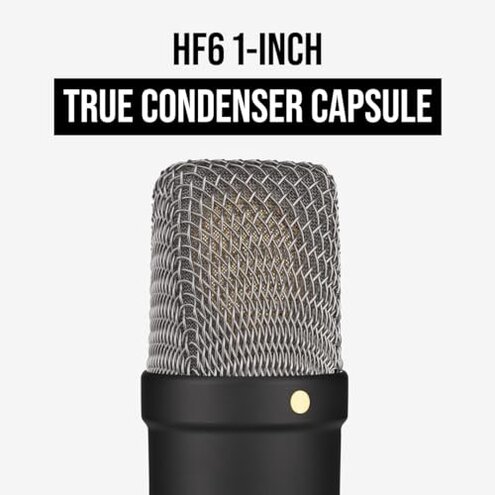
- Home studio owners who own a quality interface can tolerate the need for strong preamps to get quiet output.
- Vocalists with treated rooms willing to use close-miking accept the sensitivity trade-off for detail.
- Engineers who plan to invest in mounts and preamps can eliminate the main compatibility and handling issues.
Expectation vs reality
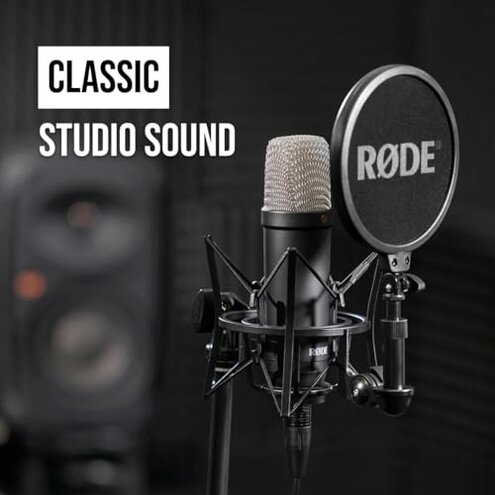
Expectation A mid-range condenser will work well on a basic interface; Reality many buyers find the NT1 requires better preamps and setup to avoid hiss.
- Reasonable for category You should expect sensitivity and need for good placement.
- Worse-than-expected The NT1 demands more from your interface and mount than many contemporaries.
Safer alternatives
- Buy with interface Consider purchasing a mic bundle that includes a known-good audio interface to avoid gain issues.
- Choose stronger mounts Pick alternatives with proven shockmounts or plan to buy a separate boom to stop desk taps.
- Check seller return terms Prefer retailers with easy RMA and quick swaps to mitigate DOA risk.
- Treat your room Use simple acoustic panels or close-miking to reduce room noise without extra editing.
The bottom line
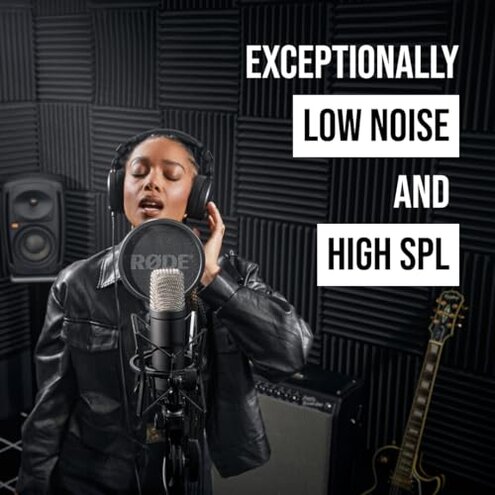
Main regret The biggest trigger is compatibility and setup — buyers face hiss, handling noise, or occasional DOA units.
Why worse These issues are more disruptive than typical mid-range condensers because they add extra cost and time to reach quiet results.
Verdict Avoid this if you lack a quality interface, a solid mount, or tolerance for potential early faults.
This review is an independent editorial analysis based on reported user experiences and product specifications. NegReview.com does not sell products.