
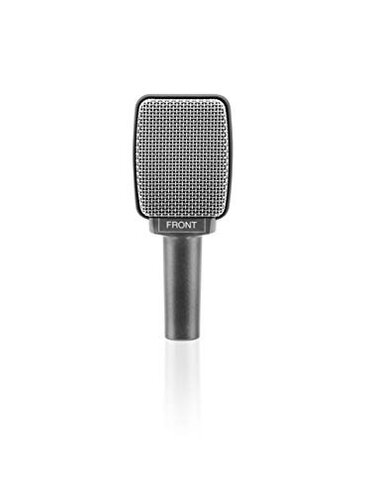
Product evaluated: Sennheiser Professional e 609 Silver Super-Cardioid Instrument Microphone,Wired, Wireless
Related Videos For You
Basic Recording Techniques: Brass
Shure SM57 - The Only Microphone You'll Ever Need...
Data basis: This report is built from dozens of written reviews and several video demonstrations collected between 2009–2025, with most feedback coming from written user reports supported by demo videos.
| Outcome | Sennheiser e609 | Typical mid-range mic |
|---|---|---|
| Sound consistency | Variable — placement often changes tone noticeably. | Stable — more forgiving across small position shifts. |
| Mounting & ease | Higher-than-normal risk — lateral design needs specific positioning or special clamps. | Standard — typically works with basic clips or boom stands. |
| Durability | Rugged but reports show occasional handling sensitivity. | Comparable — most mid-range units balance weight and toughness. |
| Value for price | Mixed — strong for some live tones, frustrating for others. | Predictable — easier to match expectations for price. |
| Regret trigger | Placement sensitivity — small moves change tone and usability on stage. | Lower — typical models require less precise setup to succeed. |
Top failures
Why does the mic sound harsh or strangely mid-forward?
Regret moment: You set it up and the amp sounds thin or too bright on first play.
Pattern: This is a commonly reported theme across written reports and demos when users mic the cone directly.
Usage anchor: Happens on first use and during close, face-on placement to guitar cabinets.
Category contrast: More noticeable than most mid-range instrument mics because this model has a deliberate midrange emphasis that reacts strongly to tiny position changes.
Is mounting and positioning unusually fussy?
- Early sign: Tone shifts with millimeter moves near the cone.
- Frequency: This is a primary issue for many live users, not an isolated complaint.
- Cause: The lateral capsule design magnifies angle and distance effects.
- Impact: Requires extra time soundchecking and more mic swaps than normal.
- Attempted fixes: Users report moving mic off-axis or a few inches back often helps.
Will I need special mounts or clips?
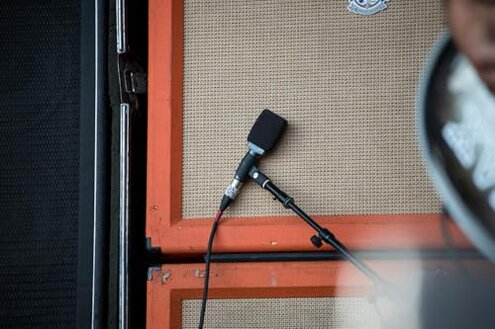
- Hidden requirement: The lateral design may not fit standard clip setups cleanly and can need adapter clamps.
- When it appears: Visible during initial rigging on cabinets or odd-shaped cabs.
- Why it matters: This is more annoying than typical because it adds gear or changes placement options.
- Fixability: Users often buy third-party clamps or use gaffer tape as a workaround.
- Scope: This is a secondary but persistent pain for gigging players.
- Hidden cost: Adds time and sometimes an extra clamp purchase for live rigs.
Does this mic require special technique or frequent re-adjustment?
- Early sign: You hear inconsistent lows or an emphasized midrange after long sets.
- Usage anchor: Noticeable during long sessions or when swapping players quickly.
- Pattern: This is a primary complaint for stage use where quick swaps are common.
- Impact: More disruptive than expected because tone can change between players in the same set.
- Mitigation attempts: Frequent small adjustments or preset EQ are commonly used to compensate.
- Fixability: Achievable, but adds time to soundchecks and more reliance on FOH EQ.
- Edge-case risk: Less of a problem in studio use where placement can be optimized and left alone.
Illustrative excerpts (not real quotes)
Excerpt: “Too bright when aimed at the cone; moving it back fixed it a little.”
Reflection: This maps to a primary placement sensitivity pattern.
Excerpt: “Didn’t sit in my clip; had to tape it to the cab.”
Reflection: This is a secondary mounting/fit problem.
Excerpt: “Swapped players and the sound changed mid-set; annoying.”
Reflection: This is an edge-case for fast live changes but disruptive when it happens.
Who should avoid this
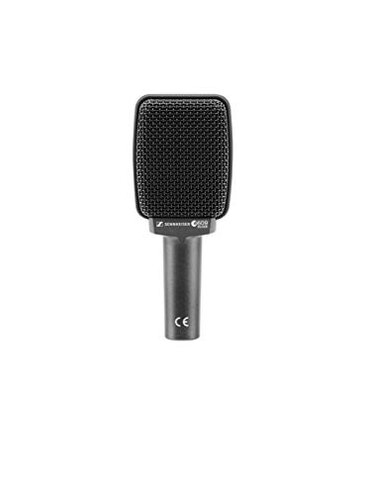
- Live musicians needing quick swaps: The placement sensitivity makes rapid band changes risky.
- Beginners wanting plug-and-play: If you want a mic that works without careful positioning, avoid this.
- Rigs without mic adapters: If you can't add clamps, the mounting quirks will cost time or money.
Who this is actually good for
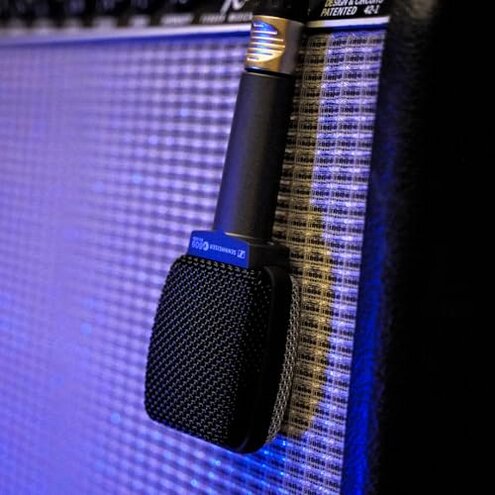
- Tone-focused players live or studio: Will tolerate the fussy positioning for the characteristic amp tone it delivers.
- Engineers who EQ routinely: Can manage the mic’s quirks with FOH processing and controlled placement.
- Users with dedicated rigs: If you can mount it once and leave it, the consistency improves greatly.
Expectation vs reality
Expectation: Most buyers reasonably expect an instrument mic to be forgiving of small placement changes.
Reality: The e609 is less forgiving than that baseline and needs careful aiming or EQ to avoid harshness.
Expectation: Consumers expect a clip-ready mic to mount easily on common stands or clips.
Reality: The lateral capsule design can require adapters or nonstandard mounting solutions.
Safer alternatives
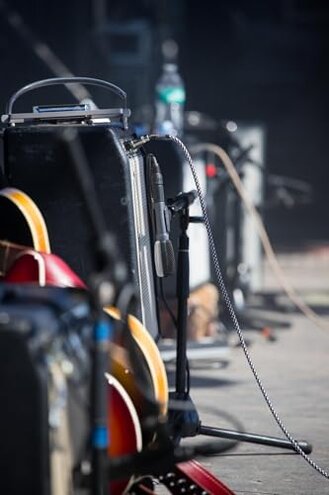
- Choose a forgiving mic: Look for instruments listed as forgiving placement to avoid tone surprises.
- Prefer clip-ready models: Select mics that advertise standard clip compatibility if you want quick stage swaps.
- Rent before buying: Trialing a mic in your own cabinet setup reveals placement issues before purchase.
- Buy an adapter: If you already own this unit, an adapter or specialized clamp neutralizes mounting quirks.
The bottom line
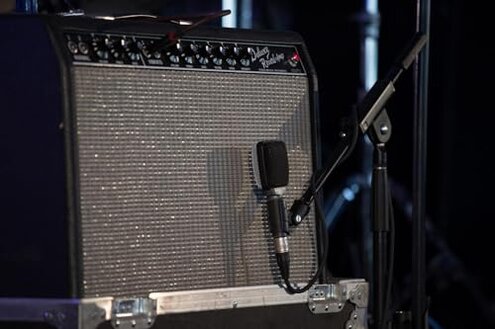
Main regret: The chief trigger is the mic's placement sensitivity that changes tone with small moves.
Why worse: This exceeds normal category risk because it adds setup time and sometimes extra hardware to get usable results on stage.
Verdict: Avoid this mic if you need quick, clip-ready reliability; consider it only if you accept extra setup and precise positioning for its tonal payoff.
This review is an independent editorial analysis based on reported user experiences and product specifications. NegReview.com does not sell products.