
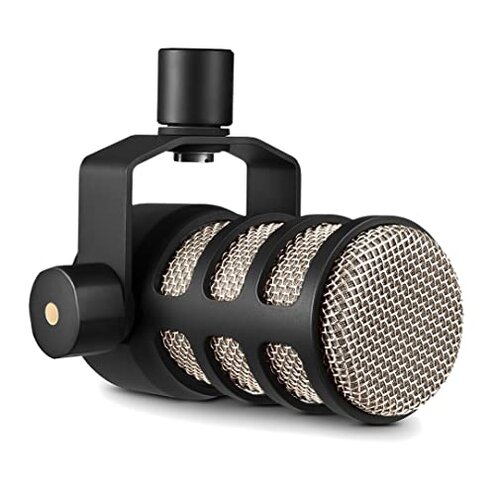
Product evaluated: Rode PodMic Cardioid Dynamic Broadcast Microphone, Black
Related Videos For You
You Can Use an XLR Mic with Smartphones
2-Channel UHF Wireless Microphone System User Manual/User Guide
Data gathered from dozens of written reviews and several video demonstrations between 2019 and 2025, with most feedback coming from written buyers and supported by recorded demos. The synthesis focuses on common user reports and hands-on videos to surface practical setup and daily-use problems.
| Outcome | Rode PodMic | Typical Mid‑Range Mic |
|---|---|---|
| Initial setup | Needs interface XLR only; extra hardware required to record. | Often USB option or lower preamp needs; easier start for casual users. |
| Recording level | Low output commonly requires high gain, which raises noise risk. | Higher sensitivity on many mid-range mics so less preamp gain needed. |
| Daily friction | Extra gear adds cost and setup time before every session. | Plug-and-play alternatives reduce setup steps for the same budget. |
| Higher-than-normal risk | Hidden requirement for a quality mixer/preamp makes usability worse than category baseline. | Lower risk because many mid-range options are usable with basic interfaces. |
| Regret trigger | Unexpected costs and noisy recordings if you lack a strong preamp. | Fewer surprises for buyers who expect plug-and-play performance. |
Why does the PodMic sound quiet and noisy for home setups?
Regret most often happens when users plug the mic into a weak interface or preamp and expect clean volume. This problem is commonly reported and appears repeatedly in buyer feedback. The issue usually shows up during first recording or when switching to portable interfaces with limited gain. It feels worse than expected because mid-range mics normally work with basic interfaces without extra noise.
Is there a hidden gear requirement I’ll regret?
- Early sign You must buy an XLR interface or mixer before first use, adding time and cost.
- Frequency This appears repeatedly across written and video reports as a practical barrier.
- Cause Lower microphone output demands a stronger preamp than casual buyers expect.
- Impact Results in hiss or needing a separate noise gate, extra software, or better hardware.
- Fixability Workarounds exist but add expense and setup complexity versus category baseline.
Will I need better studio gear to avoid hiss and gain issues?
- Pattern Less frequent but persistent reports show noise appears when gain is cranked on budget interfaces.
- Usage Noise is most noticeable during long sessions or when recording quieter voices.
- Category contrast Other mid-range mics typically require less corrective processing to reach usable levels.
- Impact Buyers report extra editing time and lost takes because background noise increases with gain.
- Attempted fixes include using high-quality preamps, close miking, and post-processing; these add cost or labor.
- Hidden need Good cables, stands, and isolation practices become essential for acceptable results.
Does the PodMic force me into a more complex workflow?
- Usage context Complexity emerges at setup and each time gear is moved or replaced.
- Secondary pattern Seen across multiple feedback sources, not just isolated buyers.
- Early sign You notice more equipment and signal chains than expected for the price.
- Impact More time is spent routing and troubleshooting than typical mid-range purchases.
- Attempts to simplify often reduce audio quality or require new purchases.
- Fixability is feasible but requires planning and extra budget.
- Cost becomes higher than many users expect for this price tier.
Will this feel like a step back from a USB mic I already own?
Trade-off Some users expected a simple upgrade and instead found more friction and gear needs. This is a primary complaint in buyer accounts and often appears when replacing a USB mic. It feels worse than normal because many mid-range upgrades keep the plug-and-play comfort.
Illustrative excerpts (not real quotes)
Excerpt "Quiet without a better preamp; had to buy a mixer to stop hiss." — primary pattern
Excerpt "Plugged in and needed more gain than my interface could give." — primary pattern
Excerpt "Great build, but setup time tripled for acceptable recordings." — secondary pattern
Excerpt "Works fine with the RODECaster but not with simple USB adapters." — secondary pattern
Who should avoid this
- Casual podcasters who want plug-and-play USB simplicity and low setup time.
- Budget buyers without a quality preamp or mixer, due to added costs and noise risk.
- Mobile recorders or travelers who depend on small audio interfaces with limited gain.
Who this is actually good for
- Studio podcasters who already own a strong preamp or mixer and accept extra setup steps; they can tolerate the low output issue.
- Broadcasters using dedicated broadcast consoles like a RODECaster who want a rugged dynamic mic optimized for close talk.
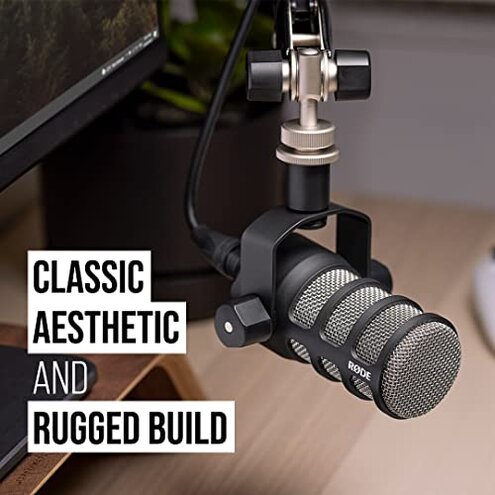
- Users prioritizing durability who will accept extra gear and setup for reliable physical build and internal shock mounting.
Expectation vs reality
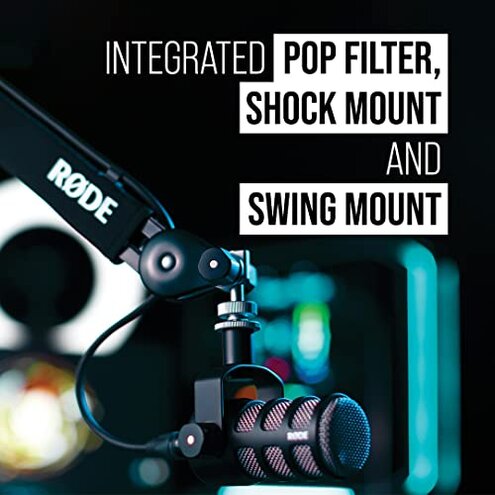
Expectation Reasonable for this category: buyers expect a dynamic broadcast mic to need an interface. Reality The PodMic's low output increases the chance of audible hiss with basic interfaces, making the reality worse than similar-priced options.
Expectation Plug-and-play ease at this price. Reality Extra purchases and time are commonly required before getting clean recordings.
Safer alternatives
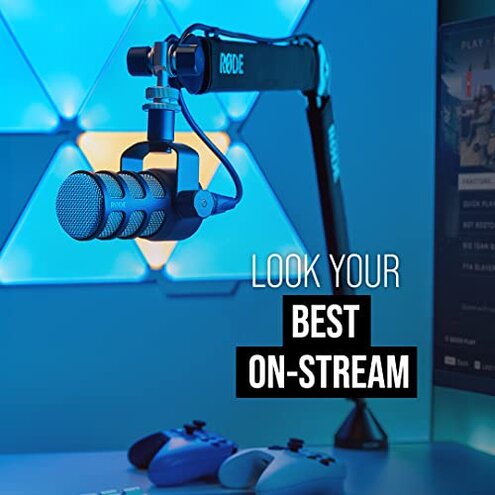
- Tip Choose a USB dynamic mic if you want fewer setup steps and no extra preamp.
- Tip Look for mics with higher sensitivity or built-in preamps to avoid gain-related noise.
- Tip If buying this mic, budget for a quality interface or the RODECaster to neutralize the low-output problem.
- Tip Compare recorded demos made with common low-end interfaces to see real-world noise before buying.
The bottom line
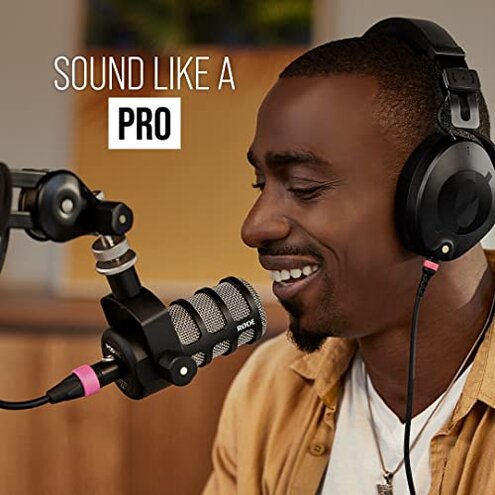
Main regret centers on low output that forces buyers into extra gear and setup time. This exceeds normal category risk because many mid-range mics work acceptably on basic interfaces. Verdict: avoid this mic if you lack a strong preamp or want true plug-and-play recording.
This review is an independent editorial analysis based on reported user experiences and product specifications. NegReview.com does not sell products.