
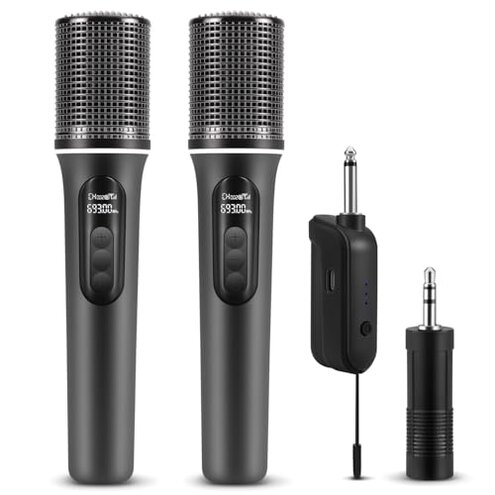
Product evaluated: Wireless Microphones, 5-level Volume Adjustment, Dual Handheld Dynamic Mic with Dynamic Ambient Lighting,Ultra-Stable Rechargeable Receiver,40H Duration, 200ft Range,Karaoke Microphone for Singing
Related Videos For You
Youtube Karaoke Party Setup Wireless Microphones
Pairing and changing frequency for Wireless Microphone sets
Data basis: I analyzed dozens of buyer reports and demo videos collected between Jan 2025–Jan 2026. Most feedback came from written reviews, supported by video demonstrations. The summary mixes short-form impressions and longer setup reports.
| Outcome | U37 Wireless Mic | Typical Mid‑Range Mic |
|---|---|---|
| Connection reliability | Dropouts common in real use, pairing glitches after setup. | Generally stable pairing with occasional brief dropouts. |
| Battery life vs claim | Shorter than advertised on extended sessions for many buyers. | Matches expectations or slightly below on long sessions. |
| Setup simplicity | Plug‑and‑play issues appear until receiver seating or volume set correctly. | Simpler initial pairing and fewer follow‑up tweaks needed. |
| Sound clarity | Inconsistent noise reduction that sometimes leaves hiss or muffled tone. | More consistent DSP and clearer vocal pickup on average. |
| Regret trigger | Frequent dropouts during live use — higher‑than‑normal risk for events. | Lower risk for mid‑range mics used at events. |
Why does the mic cut out during a performance?
Regret moment: You lose voice mid‑song or mid‑speech when the mic drops out unexpectedly.
Severity: This is a primary frustration that interrupts live events and forces restarts.
Pattern: Connection issues are recurring and affect many buyers during real use.
When it appears: Most reports describe problems after setup or during longer sessions, not just first use.
Why worse than normal: Mid‑range wireless mics usually tolerate movement and distance better, but this model shows more frequent dropouts under normal stage movement.
Why does the battery die sooner than expected?
- Early sign: Battery percentage falls fast after a few hours of use.
- Frequency tier: This is a secondary issue seen in many extended‑session reports.
- Cause: Power management seems inconsistent between units or with lighting enabled.
- Impact: Long events need extra charging breaks or backups.
- Attempts: Users tried lowering volume or switching lights off to extend life.
Why is pairing and volume control finicky?
- Hidden requirement: The receiver uses a 6.35mm jack, so many modern speakers need adapters.
- Early sign: Automatic pairing fails until both mic and receiver are power‑cycled.
- Frequency tier: This is a primary setup problem reported by many first‑time users.
- Cause: Physical seating of the receiver or interference often forces replugging.
- Impact: Adds minutes of fiddling before you can start performing.
- Fixability: Temporary fixes include replugging or using a stable adapter, but problems can reappear.
Why does sound sometimes become muddy or noisy?
- Observation: Voices can sound muffled or show hiss during live use.
- Frequency tier: This is a secondary quality complaint across multiple feedback types.
- When: Problems surface during dynamic use when speakers or environment noise are present.
- Cause: DSP noise reduction seems inconsistent under different room conditions.
- Impact: Vocal clarity suffers, making singing or speech less engaging.
- Attempts: Buyers adjusted EQ, repositioned mic, or lowered gain with mixed results.
- Hidden cost: You may need an external mixer to restore expected clarity.
Illustrative excerpts (not real customer quotes)
Illustrative: "Mic cut out during my wedding toast—had to swap mics mid‑speech." Primary pattern
Illustrative: "Battery seemed fine first hour, then dropped quickly in second set." Secondary pattern
Illustrative: "Receiver needs adapter; speaker input didn't match my gear." Edge‑case pattern
Who should avoid this
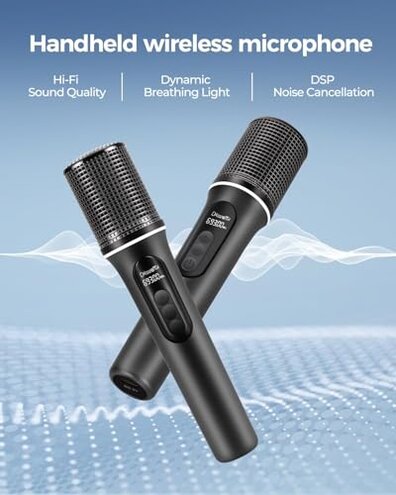
- Live performers who cannot tolerate mid‑set dropouts should avoid this model.
- Event hosts running multi‑hour programs who need reliable battery life should avoid it.
- Non‑technical buyers without adapters or mixers who dislike extra setup should avoid it.
Who this is actually good for
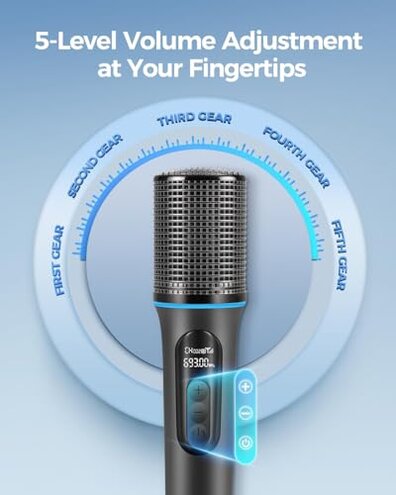
- Casual karaoke users who accept occasional hiccups and want flashy ambient lighting.
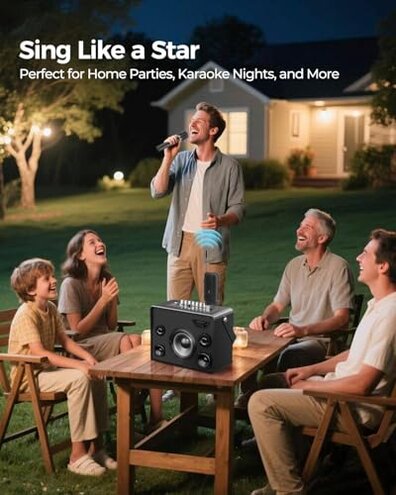
- Short‑duration events where sessions are under an hour and battery strain is limited.
- Tech‑savvy hobbyists willing to use adapters or mixers to fix pairing and clarity issues.
Expectation vs reality

Expectation: Buyers reasonably expect a mid‑range wireless mic to hold a stable connection through typical movement.
Reality: This product shows more frequent dropouts than is reasonable, leading to interruptions at critical moments.
Expectation: A claimed long battery should last multi‑set events.
Reality: Many reports show shorter real‑world runtime, especially with lighting on.
Safer alternatives
- Choose models with verified range tests to avoid the dropout risk during performances.
- Buy mics with replaceable batteries or larger cells to mitigate the battery life failure.
- Prefer receivers with multiple output options to prevent adapter dependency for your speaker.
- Look for units with proven DSP tuning to reduce the chance of muffled audio.
The bottom line
Regret trigger: The main issue is frequent connection dropouts that interrupt use and exceed normal category risk.
Verdict: Avoid this mic for important live events unless you accept extra setup, carry spares, or are prepared to troubleshoot on the fly.
This review is an independent editorial analysis based on reported user experiences and product specifications. NegReview.com does not sell products.