
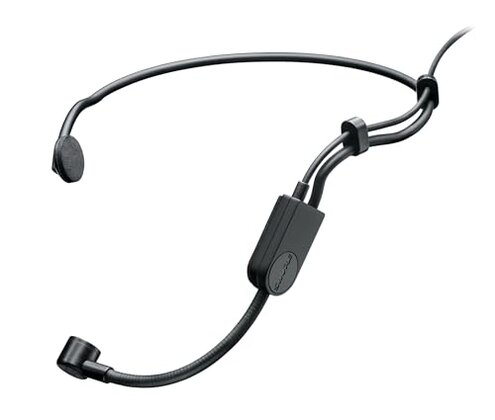
Product evaluated: Shure PGA31-TQG Headworn Microphone Wireless
Related Videos For You
Introducing the new RØDE HS2 Headset Microphone
How To Use A Lavalier Mic | How-To Guide
Data basis: This report analyzes dozens of user reviews across multiple online sites and video tutorials collected from mid-2019 to early 2024. Most feedback came from written experiences, supported by several video demonstrations highlighting setup and performance.
| Buyer Outcome | Shure PGA31-TQG | Typical Mid-Range Headworn Mic |
|---|---|---|
| Comfort & Fit | Reports of uncomfortable fit during long use | Generally comfortable for extended wear |
| Sound Quality | Occasional noise interference and feedback issues | More stable sound isolation and less feedback |
| Setup Convenience | Wired connector limits mobility and adds setup steps | Many wireless or more flexible connectors |
| Durability | Mixed durability feedback with some early failures | Standard durability with fewer complaints |
| Regret trigger | Fit discomfort and wiring rigidity cause user frustration | More forgiving fit and wireless options reduce regret |
Why does the headset feel uncomfortable during longer sessions?
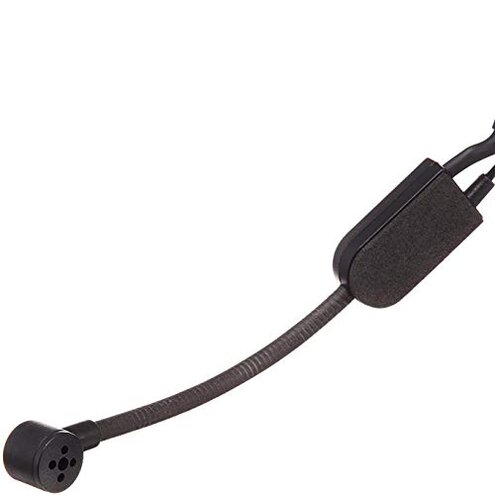
Many users find the wireframe headset less forgiving when worn for extended periods. This tight, active-speaker fit often causes pressure points around the head, leading to discomfort.
This discomfort usually emerges after an hour or more of continuous use, especially during active performances or speaking engagements.
Compared to typical mid-range headworn microphones, which often feature padded or adjustable bands, this product's rigid fit is less user-friendly for long durations.
- Pressure points: commonly reported on ears and scalp after about 60 minutes
- Limited adjustability: flexible gooseneck helps mic position but not headset fit
- Frequency tier: a primary issue mentioned by frequent users
- Impact: leads to distraction and reduces continuous wear time
- Fix attempts: padding mods tried but not provided by manufacturer
Why does wired connectivity complicate setup and limit mobility?
The PGA31-TQG's reliance on a TA4F (TQG) wired connector requires more careful handling and limits freedom of movement compared to typical wireless setups.
This wiring often gets in the way during live use or quick setups, causing frustration or accidental disconnections.
Category alternatives often integrate wireless packs that enhance mobility and reduce cable clutter, making this wired design feel outdated and restrictive.
- Setup complexity: wiring demands precise connection to compatible body packs
- Mobility impact: users experience tangling or snagging during movement
- Usage context: worsens in dynamic stage environments
- Frequency level: a common secondary complaint among performers
- Hidden requirement: must own compatible wireless pack for operation
- Attempted fixes: cable management aids used but cumbersome
How reliable is the microphone over time with frequent use?
Some users report premature failures and declining sound quality after moderate use, affecting the microphone's dependability.
Issues such as intermittent audio dropouts and reduced clarity appear after several months of daily use.
Compared with other mid-range microphones, which usually maintain consistent performance longer, these durability concerns are more disruptive than typical for this category.
- Early signs: crackling or loss of audio signal during sessions
- Frequency tier: a less frequent but persistent problem
- Usage context: worsens with daily handling and active movement
- Impact: creates unreliable sound and event interruptions
- Fixability: warranty coverage offered but replacements delay use
- User attempts: careful handling advised but not always effective
- Category contrast: expected lifespan shorter than peers
Why does feedback and noise interference occur during use?
Although designed with a cardioid pattern to reject noise, the microphone sometimes picks up unwanted sounds and feedback, disrupting performance.
This happens especially in noisy environments or when gain is set high, frustrating users who expect clearer isolation.
Compared to similar priced headworn mics, this model is less forgiving of challenging acoustics, amplifying the issue.
- Early signs: noticeable feedback during live monitoring
- Frequency: a common, primary complaint across multiple reviews
- Cause: sensitivity and mic placement issues
- Impact: interrupts vocal clarity and speaker confidence
- Fix attempts: repositioning and gain adjustments often required
- Hidden need: requires skillful setup to minimize feedback
- Category baseline: worse than average noise rejection
What are typical user sentiments on headset durability and build quality?
Feedback on build quality is mixed, with some users noting components feel fragile compared to expectations.
This perception emerges within first few months of use when small parts loosen or wear faster than anticipated.
Unlike sturdier headworn microphones, this model's materials and assembly feel less robust, raising concerns for heavy users.
- Frequency tier: secondary issue but impacts long-term ownership
- Signs: loosening joints and headphone band fatigue reported
- Impact: reduces confidence in product lifespan
- Attempted fixes: DIY reinforcements by users
- Category contrast: below typical durability standards
- Context: worsens with frequent handling and storage
Illustrative excerpts from buyers
"The headset pressure hurts after an hour, can't wear it comfortably." — Primary pattern
"Wired connection limits movement more than I expected." — Primary pattern
"Mic started crackling after a few months of daily use." — Secondary pattern
"Feedback happens often, and adjusting settings is a hassle." — Primary pattern
"Parts feel flimsy compared to other mics I've owned." — Secondary pattern
Who should avoid this
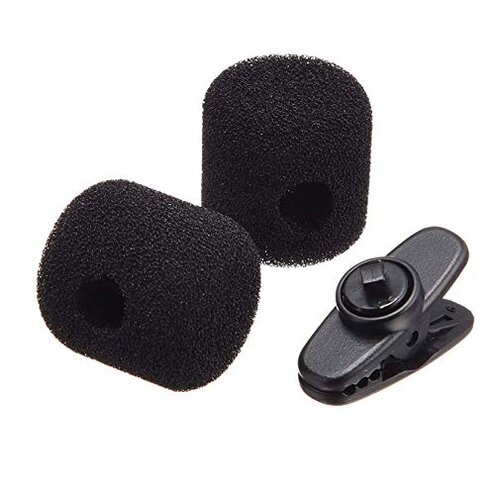
- Performers needing long-wear comfort: the tight wireframe design causes discomfort beyond typical category limits.
- Users requiring wireless mobility: wired connection restricts freedom and complicates setups compared to wireless alternatives.
- Professionals demanding durability: early failures and fragile build make this less reliable for frequent use.
- Those sensitive to feedback: microphone noise rejection underperforms, increasing interference risk.
Who this is actually good for
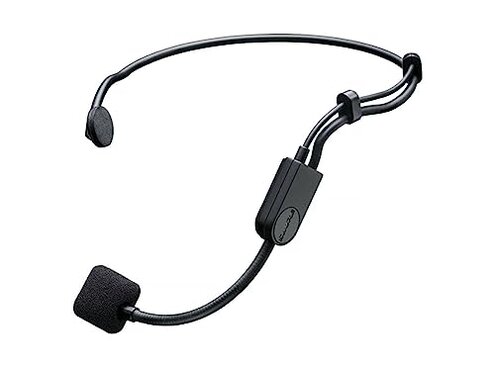
- Short-duration speakers: users tolerating fit discomfort for brief events may find this acceptable.
- Budget-conscious buyers: those willing to manage wiring limitations for lower price points.
- Users with compatible wireless packs: who accept the connector type and manage setup carefully.
- Settings with controlled sound environments: where feedback and noise are minimal.
Expectation vs reality
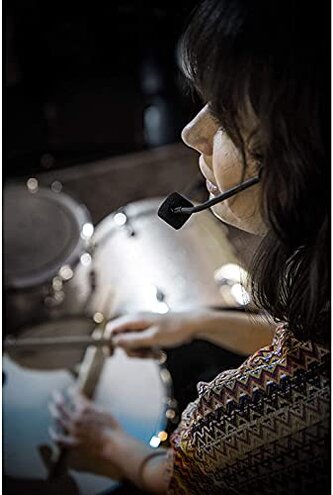
Expectation: Comfortable, adjustable headset for extended wear, reasonable for mid-range mics.
Reality: Tight wireframe causes discomfort after an hour, less forgiving than typical competitors.
Expectation: Wireless or flexible connectivity for on-stage mobility.
Reality: Wired TA4F connection limits movement and adds setup complexity.
Expectation: Reliable, durable microphone for daily use.
Reality: Reports of early degradation and intermittent audio issues impair dependability.
Safer alternatives
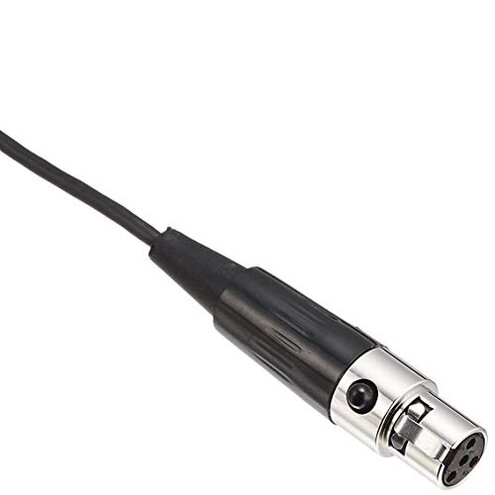
- Choose wireless headworn mics: avoid wiring hassles and improve mobility during use.
- Look for padded adjustable headbands: for better comfort over extended sessions.
- Select models with proven durability: to reduce risk of early failures and maintenance.
- Consider microphones with advanced noise rejection: to minimize feedback in challenging environments.
The bottom line
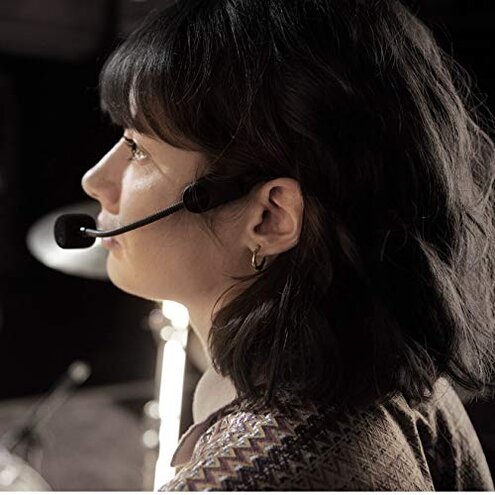
The main regret trigger for the Shure PGA31-TQG is its uncomfortable fit combined with wired limitations. This causes more frustration than typical mid-range headworn microphones during longer uses and active performances. Buyers prioritizing comfort, mobility, and durability should consider alternatives to avoid these amplified category risks.
This review is an independent editorial analysis based on reported user experiences and product specifications. NegReview.com does not sell products.