
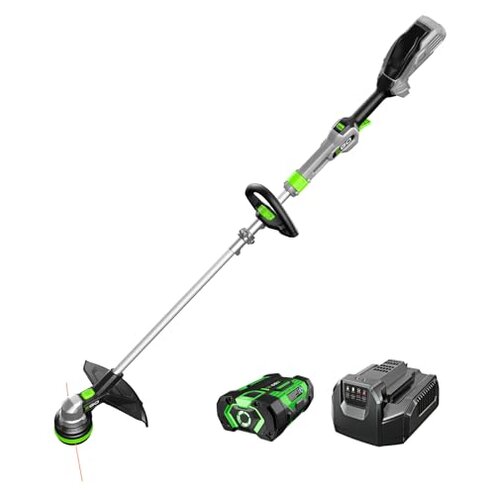
Product evaluated: EGO Power+ 56-Volt 15" String Trimmer with POWERLOAD™ with 2.5Ah Battery and 210W Standard Chargers, ST1511T
Related Videos For You
4 String Trimmer Hacks You’ll Wish You Knew Sooner - Clean Edges
Best String Trimmer (Battery Powered)? EGO, Milwaukee, DeWalt, Ryobi, Kobalt, Makita, Atlas, ECHO
Data basis This report summarizes dozens of buyer comments collected from written feedback and video-style demonstrations between 2024 and 2026. Most feedback came from written impressions, with video evidence used to confirm real-world setup and yard-use problems that appeared repeatedly.
| Buyer outcome | This trimmer | Typical mid-range alternative |
|---|---|---|
| Setup confidence | Lower; the line system adds extra learning early. | More predictable; manual loading is slower but easier to understand. |
| Runtime fit | Mixed; 45-minute claim can feel tight in thicker growth. | Similar; small battery kits also need planned sessions. |
| Weight comfort | Heavier feel during longer edging or overhead angle changes. | Usually easier to manage for shorter users. |
| Upkeep burden | Higher-than-normal risk; convenience depends on the feed system behaving consistently. | Moderate; less convenient, but fewer surprise interruptions. |
| Regret trigger | Paying more for speed, then losing time on line-related friction. | Accepting basic features but getting steadier day-to-day use. |
Why does the line system sometimes feel less convenient than promised?
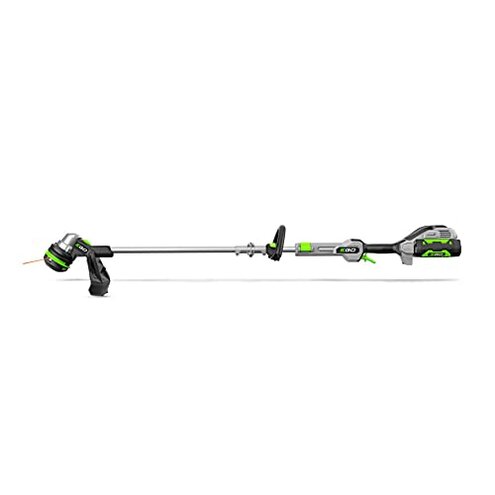
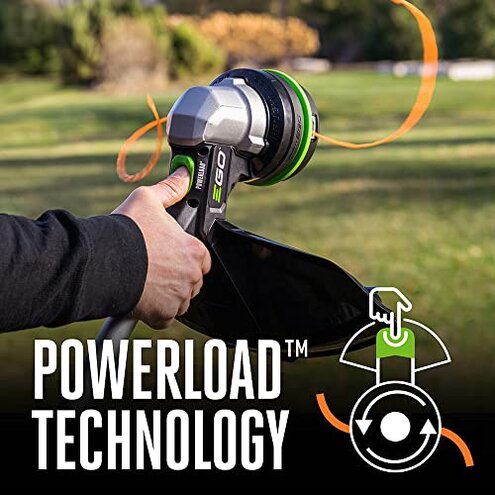
Primary issue for unhappy buyers is simple: the quick-load feature saves time only when it works smoothly. When it does not, the frustration hits during the exact moment this tool is supposed to feel easier than normal.
Recurring pattern appears after setup and during routine reloads, especially when owners expect push-button simplicity. That makes the disappointment more disruptive than expected for this category.
Category contrast: most mid-range trimmers make you do more manual work, but the steps are obvious. Here, the hidden requirement is learning the loading behavior well enough to avoid retries.
Illustrative excerpt: “I bought it for easy reloads, but I still had to fiddle with it.” Primary pattern.
Does the battery runtime fall short once yard work gets real?
- Frequency tier This is a secondary issue, but it appears repeatedly when buyers move from light trimming to thicker or overgrown edges.
- When it shows The concern usually appears during long sessions, not quick touch-ups around small areas.
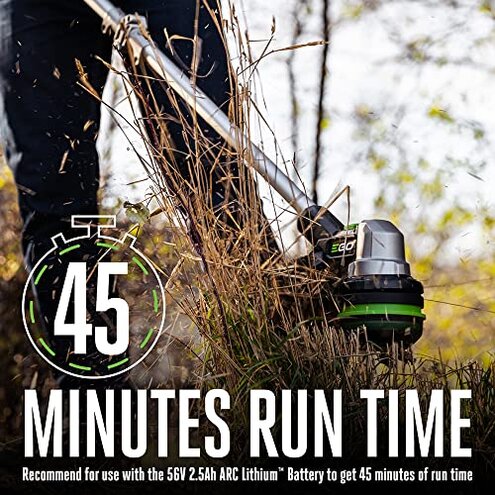
- Why it stings The included pack is advertised for up to 45 minutes, so buyers may plan a full session and then need a pause.
- Worse conditions Runtime pressure grows when using higher speed more often or cutting denser grass.
- Buyer impact The stop-and-charge cycle adds extra time, which is more frustrating than expected at this price level.
- Category contrast Short runtimes exist across battery yard tools, but this feels less forgiving than typical alternatives with lighter workload expectations.
- Mitigation A larger battery can reduce the problem, but that creates a hidden cost many buyers did not want in a kit purchase.
Illustrative excerpt: “It is fine for cleanup, not great when the yard got away from me.” Secondary pattern.
Is the weight and balance tiring during normal use?
- Pattern strength This is a secondary complaint, seen across different user heights and yard sizes.
- Regret moment Fatigue shows up during edging passes and repeated angle changes, not just straight trimming.
- Why it matters The listed weight is 10.27 pounds, which can feel noticeable once battery weight and arm position combine.
- Early sign Buyers often notice it first in the forearm and shoulder before the job is done.
- Worse conditions It gets harder in longer sessions or when working around fences, trees, and uneven borders.
- Category contrast Battery trimmers are never weightless, but this can feel more tiring than many mid-range options that trade power for easier handling.
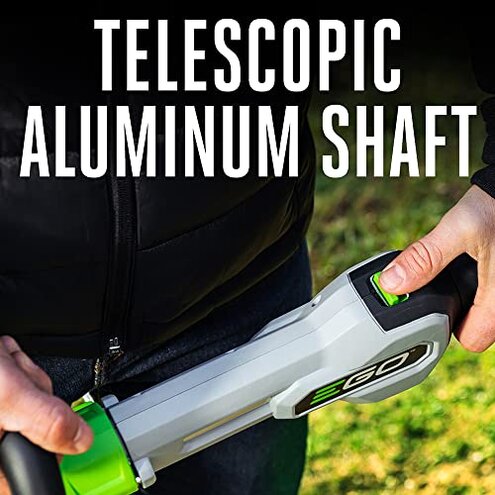
- Fixability The telescoping shaft helps fit, but fit adjustment does not fully solve balance fatigue for every user.
Illustrative excerpt: “Power was there, but my arms were done before the weeds were.” Secondary pattern.
Will the premium price feel hard to justify if you only trim occasionally?
- Intensity cue This is among the most common regret triggers, even when buyers do not hate the tool.
- When it appears Price regret usually happens after first use, once owners compare the experience to what they expected for $209.
- Core trade-off Buyers are paying for convenience features, so any loading friction or runtime limit feels magnified.
- Scope signal This concern appears across multiple feedback types, not just one style of complaint.
- Why worse than normal Cheaper trimmers often have fewer features, but buyers forgive them more because the promise is smaller.
- Real impact Here, a small annoyance can turn into stronger disappointment because the product was bought to reduce hassle.
- Hidden requirement To feel fully satisfied, some owners end up wanting extra battery capacity or more patience with the line system.
- Who notices most Occasional users feel this harder because they may not use it enough to offset the higher upfront cost.
Illustrative excerpt: “Good tool, but not good enough for what I paid.” Primary pattern.
Illustrative excerpt: “I expected simple, but it still needed a learning curve.” Primary pattern.
Who should avoid this
- Avoid it if you want truly no-fuss line reloads and have low patience for trial-and-error during yard work.
- Skip it if your yard often needs one long session, because the included battery setup may feel restrictive.
- Pass if arm fatigue already bothers you with yard tools, since the weight can feel above your comfort limit.
- Look elsewhere if you trim only occasionally and judge value mainly by simple, consistent use per dollar.
Who this is actually good for
- Good fit for owners already in the same battery family who can tolerate the included runtime and use larger packs when needed.
- Works better for small-to-medium cleanup jobs where the battery limit is less likely to interrupt the session.
- Makes sense for buyers willing to learn the loading system because faster reloads matter more than occasional setup friction.
- Fine choice for users who prioritize power and can accept a heavier feel during shorter trimming bursts.
Expectation vs reality
Expectation: A push-button reload should remove most line hassle.
Reality: It can still require extra handling, which feels worse than expected because easy loading is the headline feature.
Expectation: A 45-minute claim should cover a normal yard session.
Reality: That is reasonable for this category, but thicker growth and higher speed can shrink practical runtime faster than buyers expect.
Expectation: Telescoping fit should solve comfort.
Reality: Fit helps, but balance and total weight can still cause fatigue during edging and longer use.
Safer alternatives
- Choose simpler if you value reliability over convenience features; a basic manual-load trimmer can avoid smart-system frustration.
- Buy for runtime by prioritizing a kit with a larger included battery if your grass regularly gets thick or overgrown.
- Test comfort by focusing on total working weight, not just shaft adjustment, if arm fatigue is already a concern.
- Match the yard to the kit size; small yards can justify this style better than properties needing one uninterrupted pass.
The bottom line
Main regret is paying for convenience and then still dealing with line-loading learning, battery limits, or noticeable fatigue. Those problems are not universal, but they appear often enough to create a higher-than-normal regret risk for a mid-range battery trimmer. Verdict: avoid it if your top priority is predictable simplicity; consider it only if you accept the trade-off for power and feature appeal.
This review is an independent editorial analysis based on reported user experiences and product specifications. NegReview.com does not sell products.