
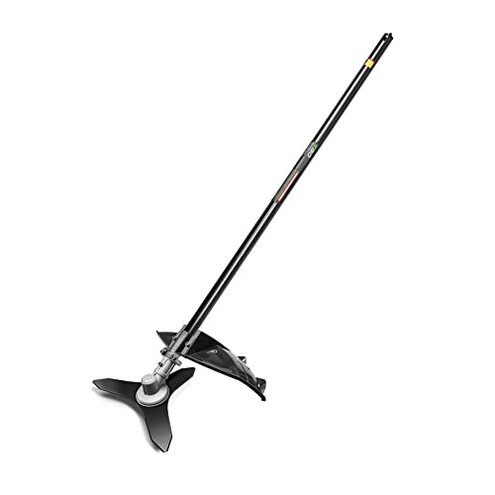
Product evaluated: EGO Power+ 12" Brush Cutter Attachment, Use with Cordless Electric Power Head Multi-Head System - BCA1220
Related Videos For You
How to install a brush blade on any Stihl, Husqvarna, Echo, Shindaiwa, etc trimmer
Brushcutter Pro Blade - Safety
Data basis: This report draws on dozens of buyer comments gathered from written feedback and video-style demonstrations collected from 2023 to 2026. Most input came from longer written reviews, with smaller support from hands-on clips and Q&A-style buyer notes, which helps separate first-use setup problems from issues noticed during regular yard work.
| Buyer outcome | This attachment | Typical mid-range alternative |
|---|---|---|
| First-use setup | Higher friction because it only works with the matching multi-head power unit sold separately. | Lower friction when the tool is sold as a complete working package. |
| Compatibility risk | Above normal because the hidden requirement can stop use before the first cut. | Moderate when compatibility is clearer or broader. |
| Heavy brush control | Strong when matched to the right power head and the job fits its blade style. | Usually broader if the tool is purpose-built as a standalone brush cutter. |
| Long-session comfort | Mixed because brush cutting work becomes tiring faster than many buyers expect. | More predictable for users shopping specifically for extended clearing sessions. |
| Regret trigger | Buying only the attachment and learning later that another major piece is required. | Paying more upfront but getting a ready-to-use tool. |
Are you expecting it to work right out of the box?
This is the primary risk. The most disruptive regret moment happens at setup, when buyers realize this is only an attachment and not a complete cutter.
The pattern appears repeatedly. It is not universal, because buyers already in the EGO multi-head system usually know what they need. For everyone else, this hidden requirement is more frustrating than expected for this category because it can stop use on day one.
- Hidden requirement: It is exclusively compatible with the EGO POWER+ Multi-Head System Power Head PH1420, which is sold separately.
- When it hits: The problem shows up on first use, especially after unboxing when buyers expect a working cutting tool.
- Frequency tier: This is a primary issue because compatibility confusion is among the most common complaints for attachment-only yard tools.
- Why it stings: It adds extra cost and delay, which feels worse than a normal accessory purchase because the product looks like a complete tool to casual shoppers.
- Fixability: The fix is simple but expensive: you need the matching power head before the attachment can do anything.
Illustrative: “I opened it ready to clear brush, then learned I was still missing the main tool.” Primary pattern because it reflects first-use compatibility regret.
Will it feel like overkill for light yard work?
- Use case mismatch: A recurring complaint is that brush cutter attachments are less forgiving than string trimmers during everyday trimming.
- When it shows: This becomes obvious during normal yard cleanup when the area has mixed grass, weeds, and only a little thick growth.
- Primary trade-off: The 3-tooth blade is meant for overgrown brush, thick stalks, and up to 1-inch saplings, not routine edging or finesse work.
- Why regret happens: Buyers wanting one tool for everything often find it too specialized for casual lawn maintenance.
- Category contrast: Some specialization is normal here, but this feels less flexible than expected compared with a typical mid-range all-purpose cutting setup.
- Impact: You may switch tools more often, which means extra steps and slower yard work.
Illustrative: “It cuts heavy stuff well, but it is awkward for the lighter jobs I do most.” Secondary pattern because it reflects mismatch, not universal failure.
Do long clearing sessions get tiring faster than expected?
This is a secondary issue. During extended brush clearing, the work can feel more tiring than buyers expect, even though the attachment itself is listed at 2.2 pounds.
The pattern is persistent but not universal. It tends to worsen when cutting thick, stubborn growth because brush cutting needs more control than light trimming. That makes fatigue higher than normal versus typical mid-range yard tools used for mixed tasks.
- Early sign: Users notice arm and shoulder strain sooner when swinging through dense growth.
- Worsening condition: The issue grows during long sessions or repeated stop-and-start clearing around uneven spots.
- Cause in practice: Blade work asks for steadier handling than line trimming, so the effort feels different even before the session ends.
- Real impact: Buyers may need more breaks, which stretches a job that looked simple at the start.
- Category contrast: Yard attachments always take effort, but this setup can feel more demanding than expected if you bought it for general cleanup.
- Fixability: The best mitigation is shorter sessions and using it only where a brush blade is clearly needed.
- Who notices most: This is more likely for buyers clearing large neglected areas rather than spot-cutting a few stalks.
Illustrative: “After half a yard, I wanted a break more than I expected.” Secondary pattern because fatigue depends on job size and technique.
Are you assuming one attachment solves every thick-growth problem?
- Expectation gap: A less frequent but persistent complaint is that real-world limits show up when brush is tangled, woody, or mixed with obstacles.
- When it appears: This comes up during actual clearing of neglected fence lines, rough property edges, or dense patches.
- Why buyers feel burned: The stated cutting width is 12 inches, which helps power focus but also means slower area coverage than some expect.
- Not the same as failure: The tool can still work, but the job may take more passes and more time than a buyer pictured.
- Category contrast: Brush cutters are never precision-fast, yet this can feel more effort-heavy than typical expectations when shoppers mentally compare it to faster clearing tools.
- Workaround: It suits targeted heavy spots better than wide-area cleanup where speed matters most.
- Frequency tier: This is an edge-case issue for buyers with realistic expectations, but more frustrating when someone expects a one-tool yard solution.
- Hidden cost: Jobs that need broader coverage may push buyers toward another attachment or tool later.
Illustrative: “It was effective, just slower and more limited than I expected.” Edge-case pattern because this is mostly an expectation problem.
Who should avoid this
- New EGO shoppers should avoid it if they do not already own the matching multi-head power head, because the setup risk is above normal.
- Light-duty users should skip it if most work is grass and weeds, because the specialization creates more hassle than value.
- Large-property buyers should be cautious if they need fast broad clearing, because fatigue and slower coverage can become a bigger problem than expected.
- One-tool shoppers should avoid it if they want maximum versatility, because this attachment is built for a narrower job than many casual buyers assume.
Who this is actually good for
- Existing multi-head owners may be fine with it because they already accept the hidden requirement and avoid the biggest regret trigger.
- Targeted clearing users can benefit if they only need help on thick stalks, brushy edges, or occasional saplings.
- Tool-system buyers may like it if they prefer modular equipment and can tolerate switching attachments for different tasks.
- Short-session users are a better fit if they clear small rough patches rather than doing long, exhausting runs.
Expectation vs reality
Expectation: “I am buying a brush cutter, so I can use it immediately.”
Reality: Setup stops cold without the separate PH1420 power head.
Expectation: “Reasonable for this category, it should handle heavy growth but still be manageable for general yard work.”
Reality: It is more specialized than many mid-range buyers expect, so light trimming and mixed cleanup feel clumsy.
Expectation: “The listed weight sounds light, so long jobs should stay comfortable.”
Reality: Brush-cutting effort during dense clearing can wear you down faster than the bare number suggests.
Safer alternatives
- Buy a complete kit if you do not already own the matching power head, which removes the biggest day-one compatibility failure.
- Choose a string trimmer setup for mostly grass and weeds, which avoids paying for a specialized tool you may rarely need.
- Look for broader clearing width if speed matters more than targeted cutting strength, which helps with wide neglected areas.
- Prioritize ergonomics if you work in long sessions, because comfort becomes a real buyer regret point with heavy brush work.
- Match the tool to the growth by using brush blades only where stalks and woody patches justify the trade-off.
The bottom line
The main regret trigger is simple: many buyers underestimate that this is only an attachment and needs a specific separate power head. That setup risk is higher than normal because it blocks use immediately and adds cost.
If you already own the EGO multi-head base and need focused heavy-growth cutting, it can make sense. If you want a ready-to-run, flexible yard tool, this is a product many shoppers should avoid.
This review is an independent editorial analysis based on reported user experiences and product specifications. NegReview.com does not sell products.