
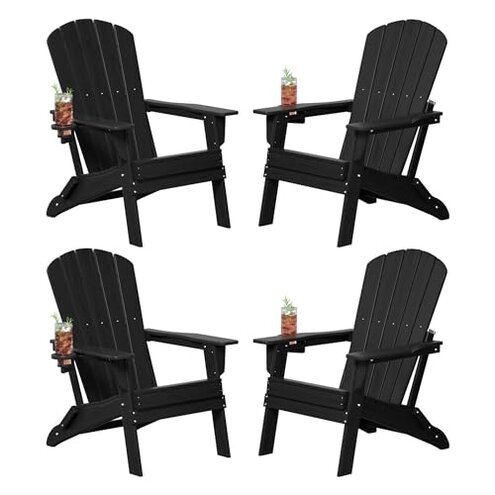
Product evaluated: Plawdlik Folding Adirondack Chair, SGS Tested, Wooden Textured with Cup Holder, Heavy All-Weather HDPE Comfortable Set Poolside Backyard Lawn Teak Set 4
Related Videos For You
Folding Adirondack Chair Demonstration | Rockler Woodworking Project
Restore Outdoor Wood Patio Furniture with Oil... Don't Toss Out an Adirondack Chair!
Data basis: This report uses dozens of buyer comments gathered from written feedback and photo or video-backed impressions collected from mid-2024 to early-2026. Most feedback came from written reviews, with supporting detail from demonstration-style posts that showed assembly, folding, and outdoor use over time.
| Buyer outcome | This chair set | Typical mid-range alternative |
|---|---|---|
| Setup effort | Higher risk of time-heavy assembly and alignment frustration during first setup. | Moderate assembly effort with fewer fit adjustments expected. |
| Daily convenience | Mixed because folding and cup holder features add moving parts and extra checks. | Simpler daily use with fewer feature-related interruptions. |
| Comfort consistency | Variable fit for body size and sitting style during longer sessions. | More predictable comfort for casual patio use. |
| Outdoor appearance | Good on paper, but color and texture expectations can feel off after unboxing. | Usually closer to what buyers expect from listing photos. |
| Regret trigger | Spending setup time and still feeling the chair is not as smooth or polished as expected. | Usually regret comes from plain styling, not repeated setup friction. |
Do you hate when assembly takes longer than the chair should be worth?
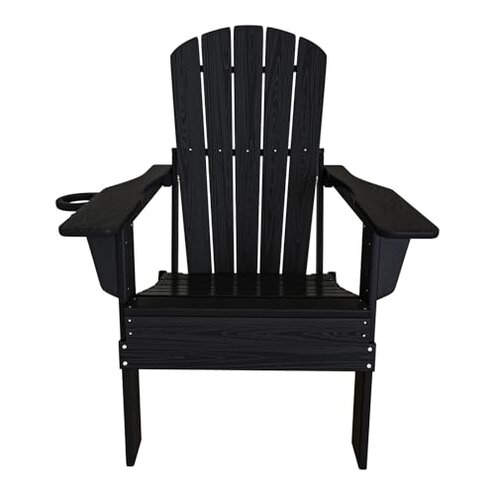
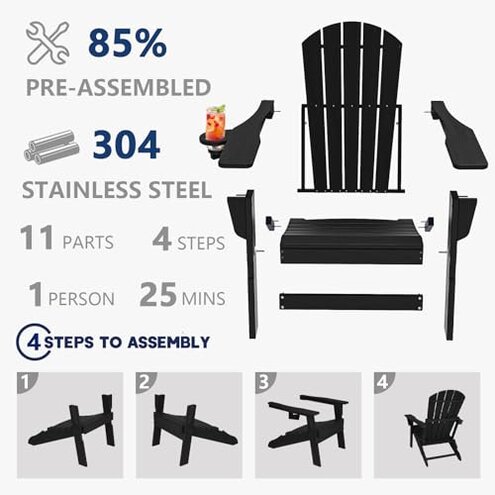
This is the primary issue. The regret moment tends to happen on day one, when buyers expect a straightforward patio-chair setup and instead run into extra alignment steps.
The pattern appears repeatedly, especially during first assembly and when putting together multiple chairs from the same set. For this category, that feels worse than normal because mid-range patio chairs are usually bought for quick seasonal setup, not project-style assembly.
- Frequency tier: This is among the most common complaints and shows up more often than comfort or finish concerns.
- When it hits: The friction usually starts right out of the box, before the chair is ever used outdoors.
- What buyers notice: Hole alignment and part positioning can require extra force, rechecking, or loosening and retightening steps.
- Why it stings: A set of 4 chairs multiplies the time cost, so a small issue becomes a bigger weekend chore.
- Hidden requirement: Some buyers expect basic assembly but end up needing more patience, floor space, and careful sequencing than expected.
- Fixability: It is often workaround-able, but that does not erase the extra time and annoyance.
- Category contrast: Compared with a typical mid-range folding Adirondack option, this feels less forgiving if parts are not lined up in the right order.
Illustrative: “I thought I’d be relaxing in an hour, not rebuilding the same side twice.”
Pattern: This reflects a primary pattern tied to first-time setup frustration.
Does the folding design feel convenient until you actually start using it?
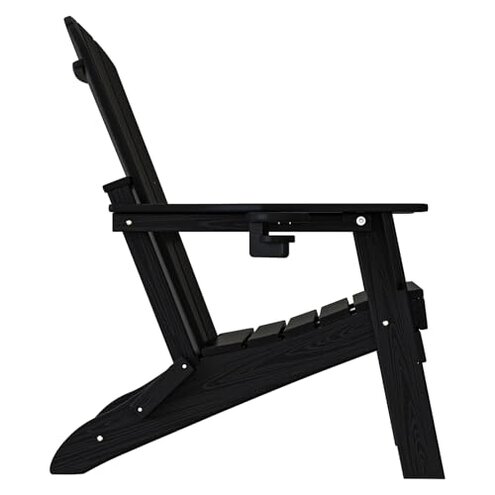
- Pattern signal: This is a secondary issue, not universal, but persistent enough to matter for buyers choosing it mainly for convenience.
- Usage moment: It tends to show up after setup when owners start folding, moving, and repositioning chairs around a patio or fire pit.
- Trade-off: The folding feature saves storage space, but added joints and moving sections can make daily handling feel less simple than expected.
- What worsens it: The annoyance grows with frequent repositioning, such as moving chairs in and out for weather or gatherings.
- User-visible impact: Buyers may spend extra time checking stability or making sure parts sit correctly after unfolding.
- Why this exceeds baseline: Many chairs in this category are not compact, but they are often more straightforward in daily handling once assembled.
Illustrative: “Nice idea for storage, but it feels fussier every time I move it.”
Pattern: This reflects a secondary pattern linked to repeated handling.
Are you expecting the comfort to feel great for everyone in the house?
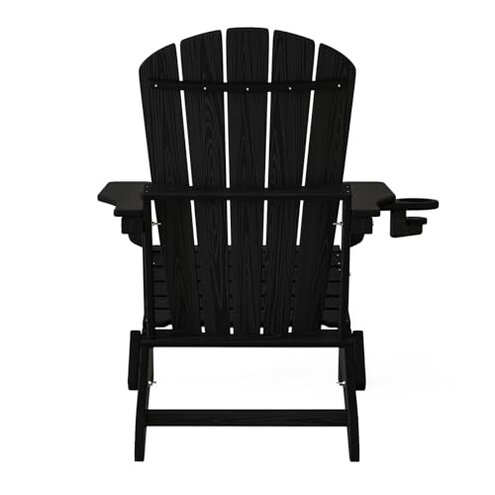
Comfort complaints are less frequent than setup problems, but they are more frustrating when the chairs were bought for long outdoor sitting. The issue usually appears during longer sessions, not in a quick sit-test.
The mismatch is simple: some buyers like the roomy shape, while others find the sitting angle or arm position less natural over time. In this category, some posture trade-off is normal, but it feels worse than expected when a chair is marketed around comfort features.
- Early sign: A chair can feel fine at first but become less comfortable during extended deck or fire-pit use.
- Who notices most: Buyers sensitive to seat angle or armrest position tend to notice it sooner.
- Real-world context: This matters more during long chats, reading, or evenings outside than quick patio visits.
- Regret point: The problem is not always pain, but a feeling that the chair is not relaxing enough for the space it takes up.
- Fixability: There is limited adjustment if the recline and arm height do not suit your body.
Illustrative: “It looks relaxing, but after a while I kept shifting around.”
Pattern: This reflects a secondary pattern that shows up in longer use.
Will the color and finish look exactly like the listing in your yard?
- Pattern level: This is an edge-case issue, but it appears repeatedly enough to mention because outdoor furniture is a visual purchase.
- When it appears: Buyers notice it right after unboxing, before assembly is even finished.
- What shows up: The teak look and wood-like texture may read differently in person depending on light and surrounding decor.
- Why it matters: With a set purchase, even small appearance disappointment is harder to ignore because the chairs define the patio look.
- Category contrast: Some color variation is normal online, but this can feel more disappointing than typical when the wood-style look is a main selling point.
- Mitigation: This is less risky if you care more about weather use than close-up design realism.
- Long-term effect: The issue is mostly aesthetic regret, not a functional failure.
Illustrative: “The color works outside, but it didn’t look as natural as I expected.”
Pattern: This reflects an edge-case pattern focused on visual expectations.
Who should avoid this
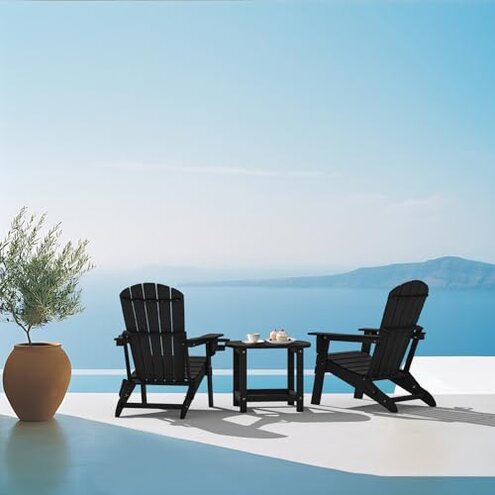
- Avoid it if you want a chair set that is quick to assemble in one short session.
- Avoid it if folding convenience is your main reason to buy, because that feature can add more daily fuss than expected.
- Avoid it if you are picky about exact color and finish matching your patio design.
- Avoid it if you need guaranteed long-session comfort without trial and error on recline and arm fit.
Who this is actually good for
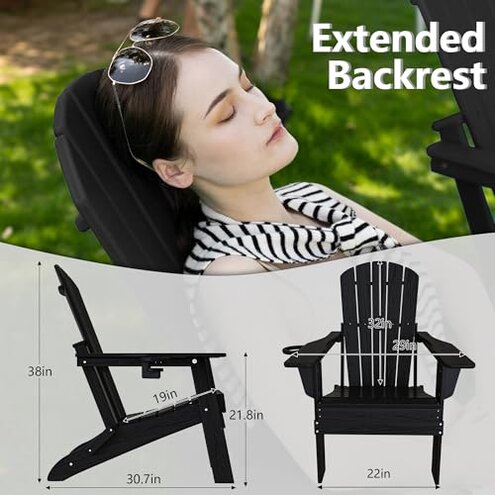
- Good fit for buyers who prioritize weather resistance and can tolerate a more involved first assembly.
- Good fit for households that fold and store chairs only occasionally, not every week.
- Good fit for shoppers who want a coordinated set of 4 and care more about durability claims than furniture-like finish realism.
- Good fit for casual outdoor use where sessions are shorter and comfort demands are lower.
Expectation vs reality
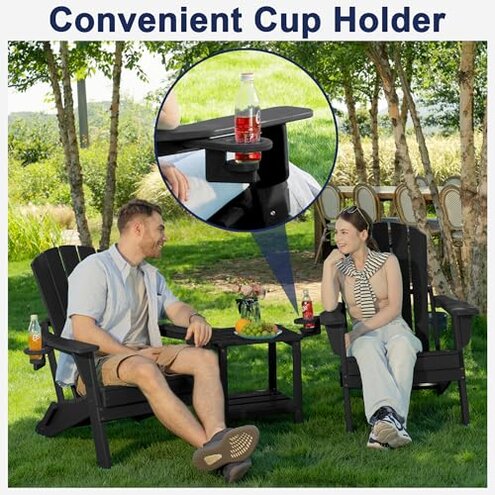
Expectation: A folding Adirondack chair should be reasonable for this category to assemble and then stay low-hassle.
Reality: This one appears more setup-sensitive and less daily-simple than many mid-range alternatives.
Expectation: Added cup holder and folding features should mean more convenience.
Reality: They can also mean more parts, more checks, and more chances for small frustrations during use.
Expectation: The wood-look finish should feel close to the photos.
Reality: The appearance can feel less natural in person depending on lighting and patio style.
Safer alternatives
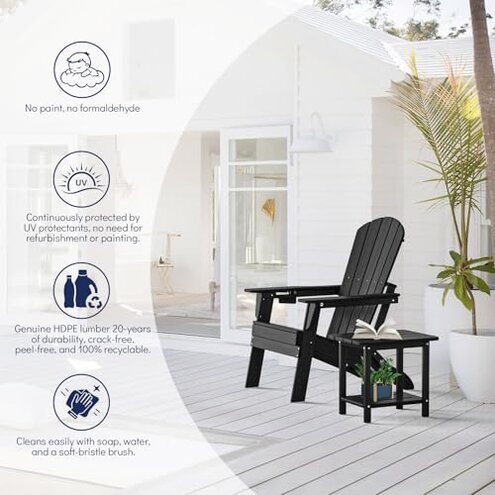
- Choose simpler frames if you want to avoid the biggest risk here, which is setup and alignment frustration.
- Prioritize fixed chairs over folding ones if you plan to move them often during the season.
- Look for comfort feedback focused on long sitting sessions, not just first impressions, to reduce fit surprises.
- Buy one first or compare real-world color photos when finish realism matters more than weather performance.
The bottom line
The main regret trigger is the mismatch between expected convenience and the extra effort needed during setup and repeated handling. That risk feels higher than normal for a mid-range outdoor chair set because buyers are paying for comfort and convenience features that can add friction instead. If you want low-effort patio seating, this is easier to skip than to justify after a frustrating first build.
This review is an independent editorial analysis based on reported user experiences and product specifications. NegReview.com does not sell products.