
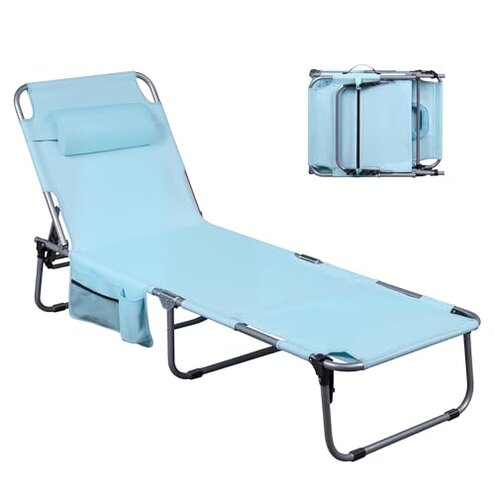
Product evaluated: WLIVE 5-Position Folding Beach Chair with Face Hole, Portable Patio Lounge Chair for Beach, Pool, Outdoor Tanning Chair, Light Blue
Related Videos For You
How to fold up/collapse the Sport Bella Beach Chair
Laylo Tanning Lounge Chair - Ideal for Tanning Ledges and In-Pool Relaxation - by TenJam
Data basis: This report uses dozens of shopper comments gathered from written feedback and video-style demonstrations collected from 2025. Most signals came from written buyer notes, with shorter visual walk-throughs helping confirm setup, comfort, and portability trade-offs during real outdoor use.
| Buyer outcome | WLIVE chair | Typical mid-range option |
| Long lounging comfort | Higher risk of pressure points during extended tanning or reading | More even comfort for longer sessions |
| Face-hole usefulness | Mixed payoff because comfort depends heavily on body position | Lower novelty but fewer position compromises |
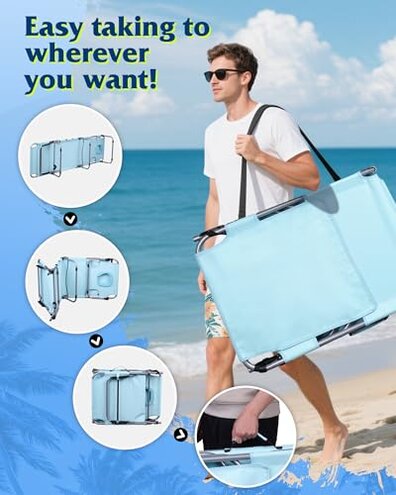
| Portability trade-off | Easy to carry, but lighter build can feel less forgiving in repeated handling | Usually bulkier but often steadier in day-to-day use |
| Setup expectations | Simple start, though finding a truly comfortable angle can take extra adjustment | Less trial-and-error after unfolding |
| Regret trigger | Looks ideal for tanning, then feels less relaxing than expected after time on it | Less specialized, but usually easier to live with |
Does the face hole sound better than it feels?
Primary issue: The biggest regret point is comfort during the exact use case that sells the chair. This appears repeatedly when buyers try face-down lounging for more than a short session.
When it happens: After setup, the problem shows up once you settle in to read, tan, or scroll on your phone. The trade-off is simple: the special opening adds function, but not always the comfort people expect.
Pattern: This is a recurring complaint rather than a universal one. Body position seems to matter a lot, which means some buyers adapt while others never find a relaxing fit.
Category contrast: Outdoor lounge chairs are not luxury furniture, but a mid-range tanning chair should still stay comfortable for a normal sunbathing session. Here, the discomfort feels more disruptive than expected because the chair’s main promise is face-down lounging.
Illustrative: “The hole is useful, but my neck and chest still got sore.” — Primary pattern
Will you keep readjusting just to get comfortable?
- Frequency tier: This is a primary complaint and appears repeatedly in comfort-focused feedback.
- Usage moment: It tends to show up during longer sessions, not just a quick sit after unfolding.
- Early sign: If you notice pressure points within the first stretch of use, they usually become more annoying with time.
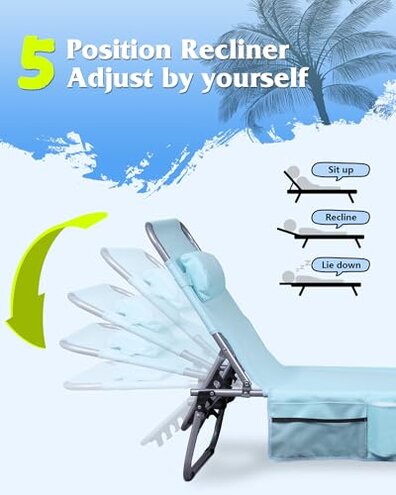
- Why it frustrates: Buyers expect a 5-position chair to offer easy comfort, but this one can need trial-and-error to find a workable angle.
- Impact: That extra adjusting breaks the point of a relaxing beach or pool chair and adds setup time each use.
- Fixability: A pillow or towel may help, but that creates a hidden requirement many shoppers did not plan for.
- Category contrast: Most mid-range folding loungers need some adjustment, but this feels less forgiving because its design asks more from your body alignment.
Illustrative: “I kept changing positions and never really settled in.” — Primary pattern
Does the lightweight design feel less steady than expected?
Secondary issue: Portability is clearly part of the appeal, but lighter folding chairs can feel less planted during real use. This is less frequent than comfort complaints, yet more frustrating when it shows up.
When it happens: The concern tends to appear during getting in and out, shifting position, or moving the chair often between storage and outdoor spots. Buyers who want one chair for repeated beach, patio, and pool use notice this trade-off more.
- Pattern signal: Stability concern is a secondary pattern, not the main complaint but persistent enough to matter.
- Real moment: It is most noticeable during transitions, like sitting down, leaning forward, or changing angles.
- Buyer impact: Even if the chair stays upright, a less planted feel can reduce confidence and make relaxation harder.
- Trade-off: The carry-friendly design helps transport, but can feel less solid than some mid-range alternatives.
- Worse condition: This tends to matter more on uneven outdoor surfaces where lightweight chairs feel less forgiving.
- Category contrast: Folding beach chairs always trade some sturdiness for portability, but this feels more noticeable because buyers expect lounge-chair stability, not just camp-chair convenience.
Illustrative: “Nice to carry, but I wanted it to feel more secure.” — Secondary pattern
Is the chair narrower and more body-dependent than you expect?
- Frequency tier: This is a secondary issue that appears less often than comfort complaints, but it shapes who will like the chair.
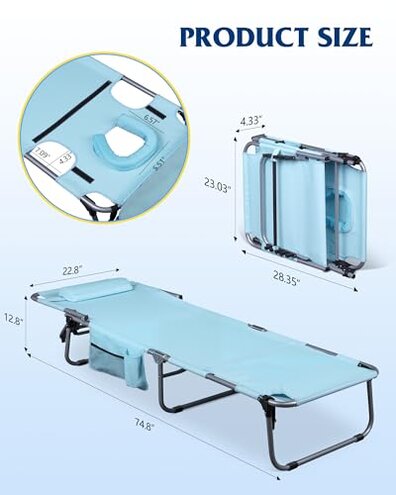
- Why it matters: The chair is 22.8 inches wide, so comfort can depend more on body shape and lounging style than buyers assume.
- Usage moment: It becomes obvious after the first full recline, especially when trying to use the arm and face openings naturally.
- Early sign: If your shoulders, elbows, or hips feel awkward right away, that usually signals a fit mismatch rather than a quick adjustment problem.
- Impact: A body-dependent fit makes the chair harder to share across family members and reduces the odds of a plug-and-play experience.
- Attempts: Buyers often try different recline settings, pillow placement, or small repositioning before deciding whether it works.
- Hidden requirement: To get the advertised comfort, you may need specific positioning habits, which is not obvious from the simple fold-out design.
- Category contrast: Mid-range loungers are usually not custom-fit products, but they should feel more adaptable than this on first use.
Illustrative: “It works, but only if I line myself up just right.” — Secondary pattern
Could the special features matter less than basic comfort?
- Edge-case issue: Some buyers like the extras, but the novelty can fade quickly if core lounging comfort is only average.
- Pattern signal: This is an edge-case regret pattern tied to expectation mismatch rather than obvious product failure.
- When it appears: It usually shows up after a few uses, once the excitement about the face hole and pockets wears off.
- Buyer impact: The chair can feel more like a clever idea than a reliably relaxing lounger for repeated summer use.
- Why it feels worse: The more specialized the design looks, the more buyers expect a clear upgrade over standard folding loungers.
- Category contrast: That makes disappointment stronger than normal when the extras do not clearly beat a simpler chair.
Illustrative: “The features looked smart, but the comfort was just okay.” — Edge-case pattern
Who should avoid this
- Skip it if you want long, lazy tanning sessions without constant repositioning.
- Avoid it if you are sensitive to neck, chest, or shoulder pressure during face-down lounging.
- Pass if you expect mid-range lounge-chair comfort without adding a towel, cushion, or personal setup routine.
- Look elsewhere if you need one chair that feels equally comfortable for different body types in the same household.
Who this is actually good for
- Better fit for buyers who value portability first and use the chair for shorter outdoor breaks.
- Works better if you already know you tolerate firmer loungers and do not mind adjusting your position.
- Reasonable choice for occasional beach or pool use where easy carry matters more than all-day comfort.
- More suitable if you mainly want the face hole for brief reading or phone use, not extended tanning sessions.
Expectation vs reality
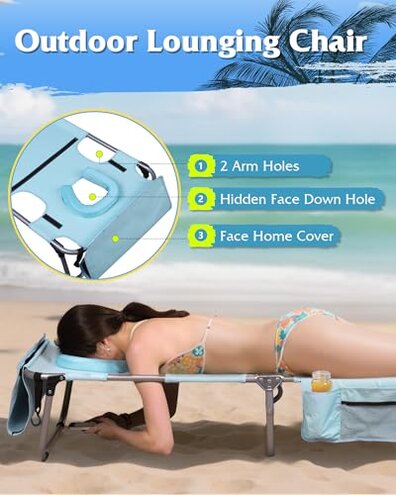
Expectation: A face-hole tanning chair should make face-down lounging easier than a standard lounger.
Reality: The opening helps access and breathing, but comfort payoff can still be uneven during longer use.
Expectation: A reasonable for this category folding chair should need minor adjustment, then feel settled.
Reality: This one may need more fine-tuning than typical mid-range alternatives to avoid pressure points.
Expectation: Light weight should make beach trips simpler.
Reality: It does help transport, but some buyers feel a stability trade-off during sitting, shifting, or uneven-ground use.
Safer alternatives
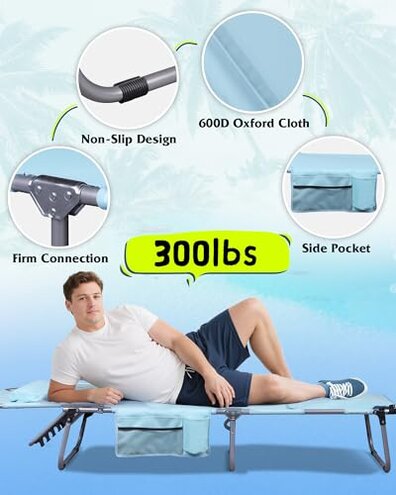
- Choose padding over special cutouts if your top priority is longer-session comfort with fewer pressure points.
- Look for wider loungers if multiple people will use the chair or you do not want body-position sensitivity.
- Prioritize flatter support if you plan to tan face-down often and do not want a hidden need for extra towels or pillows.
- Pick heavier mid-range options if you use patios, grass, or rougher outdoor surfaces where steadiness matters more than carry ease.
The bottom line
Main regret trigger: The chair’s standout feature can create higher-than-normal comfort risk during the exact face-down lounging use buyers want most.
Why that matters: A mid-range tanning chair can be simple, but it should not require this much personal adjustment to feel relaxing. If comfort is your first priority, this is easier to avoid than to work around.
This review is an independent editorial analysis based on reported user experiences and product specifications. NegReview.com does not sell products.