
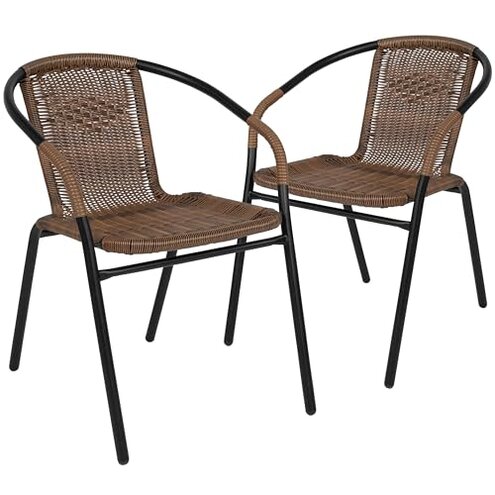
Product evaluated: Flash Furniture Lila Modern Rattan Indoor/Outdoor Stackable Dining Chairs, Stacking Rattan Bistro Chairs for Patio or Restaurant, Set of 2, Brown
Related Videos For You
How to Repair Wobbly Chairs Properly - Furniture Restoration Techniques
Repair a Broken Cane Chair with Rattan Cane Webbing and Spline, a Fixing Furniture Restoration
Data basis for this decision report comes from analyzing dozens of buyer submissions collected from written product feedback and photo attachments, plus a smaller set of Q&A-style comments. Collection covers a multi-year range up to recent months, with most signals coming from longer written notes rather than short ratings-only posts. The focus here is on regret patterns tied to real use, not listing claims.
| Buyer outcome | This set of 2 chairs | Typical mid-range alternative |
|---|---|---|
| First-week satisfaction | Higher risk of “looks good, feels off” once you sit. | Lower risk of immediate comfort and stability surprises. |
| Stability on real floors | Higher-than-normal wobble and rocking complaints on patios and hard floors. | More forgiving leg contact and steadier feel in mixed surfaces. |
| Comfort for long sits | More polarizing comfort that can wear thin during meals. | More consistent comfort expectations for dining-chair sessions. |
| Durability over seasons | Elevated risk of surface wear and looseness that worsens with routine moving. | Moderate risk of wear, usually slower and less noticeable. |
| Regret trigger | “Restaurant look” but daily-use annoyances you keep compensating for. | Fewer workarounds needed to keep chairs feeling normal. |
Top failures
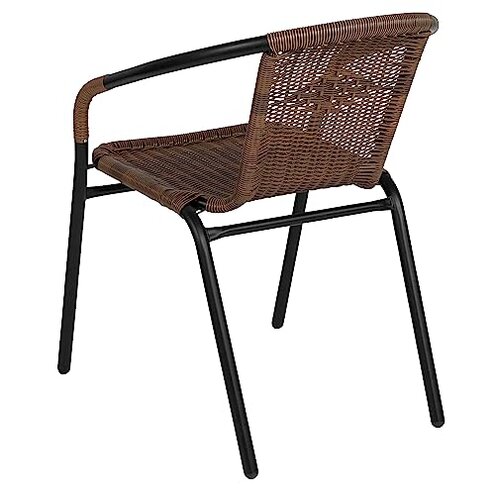
Do they feel wobbly or uneven once you actually sit?
Regret usually hits after the first few uses when the chair rocks on the floor during meals. Severity is more disruptive than expected for dining chairs because it affects every sit-down moment.
Pattern appears repeatedly, though it is not universal across all buyers. Context is most noticeable on patios, tile, and other hard surfaces, and it feels worse with frequent moving and stacking.
Category contrast is that most mid-range stackable dining chairs still feel “set down and stable” without extra tweaking. Trade-off here is lightweight convenience versus a steadier everyday feel.
- Early sign is a small rock when you shift weight, even on flat-looking floors.
- Primary issue is persistent wobble during meals, not just a one-time setup annoyance.
- Surface sensitivity shows up more on hard flooring than on textured outdoor surfaces.
- Workaround commonly means adding pads or shims, which adds extra steps.
- Fixability is limited because there is no “adjustment” step like you get with some alternatives.
Will the comfort hold up for a full meal or longer hangout?
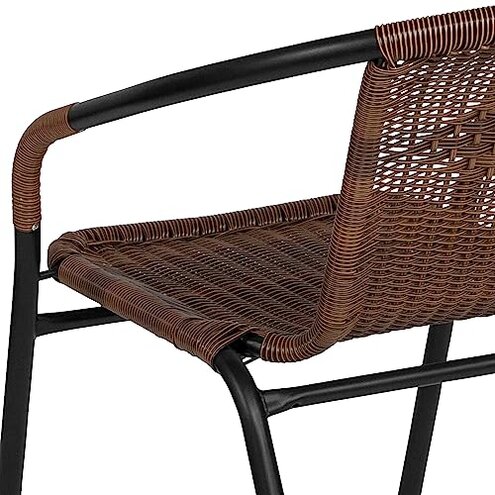
- Regret moment tends to show up during longer meals when the seat feel becomes noticeable.
- Pattern tier is a secondary complaint, but it shows up persistently in longer written feedback.
- Time trigger is extended sitting, where “fine for 10 minutes” becomes “done at 30 minutes.”
- Fit mismatch appears when buyers expect a softer dining-chair feel from the photos.
- Category contrast is that many mid-range dining sets include cushions or a friendlier seat contour by default.
- Mitigation is adding seat pads, but that can reduce the clean stacked-storage benefit.
- Hidden cost is needing accessories to reach the comfort level you assumed was included.
Do they scuff floors or feel “scratchy” when moved around?
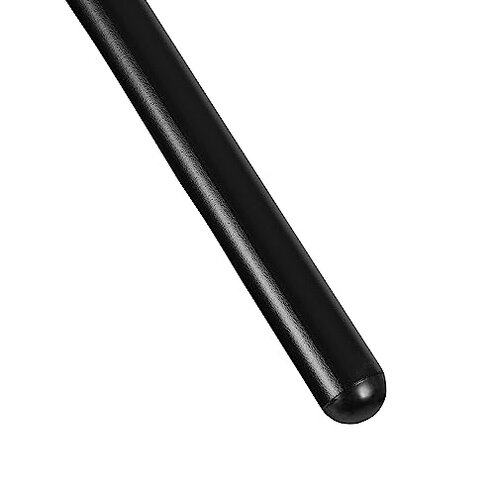
- Context is daily handling like pulling in and out from a table, especially on hard floors.
- Pattern tier is secondary, with recurring mentions tied to real home dining use.
- Impact is buyer anxiety about marks, which changes how freely people move the chairs.
- Hidden requirement is adding floor protectors, since many buyers expect them to be included or unnecessary.
- Category contrast is that many mid-range options ship with or assume floor-friendly contact points.
- Workarounds include felt pads, but those can wear fast outdoors and need replacing.
- Practical downside is extra maintenance when you thought you were buying “easy” seating.
- Durability link is that frequent dragging increases wear and can make stability problems more noticeable.
Do they look cheaper in person than the photos suggest?
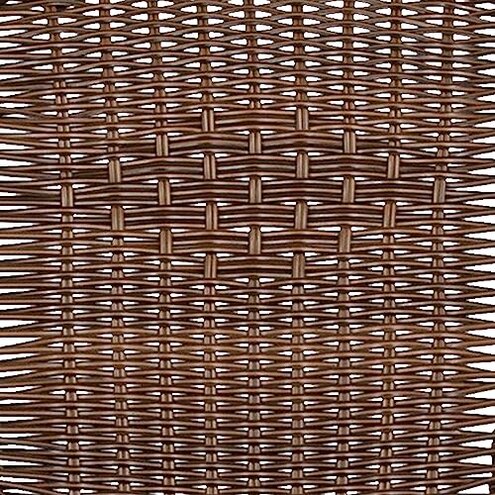
- Regret tends to hit at unboxing when the finish and weave look different in home lighting.
- Pattern tier is an edge-case issue, but it is persistent enough to cause returns.
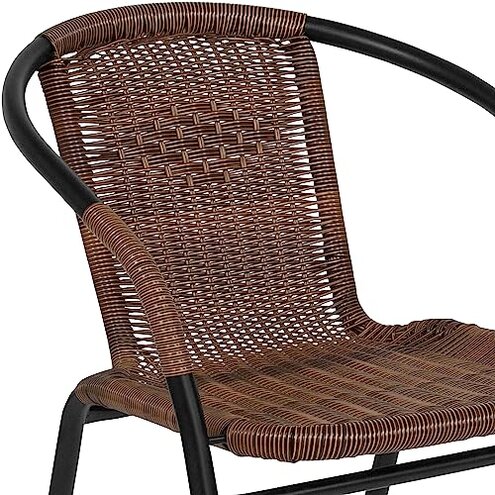
- Expectation gap is “modern bistro” styling versus a more plastic-like feel up close.
- Context is strongest when these are used as indoor dining chairs, where details stand out more.
- Category contrast is that mid-range dining seating often has fewer “photo vs real” surprises.
- Mitigation is treating them as outdoor-only seating where appearance scrutiny is lower.
Illustrative excerpts (not real quotes)
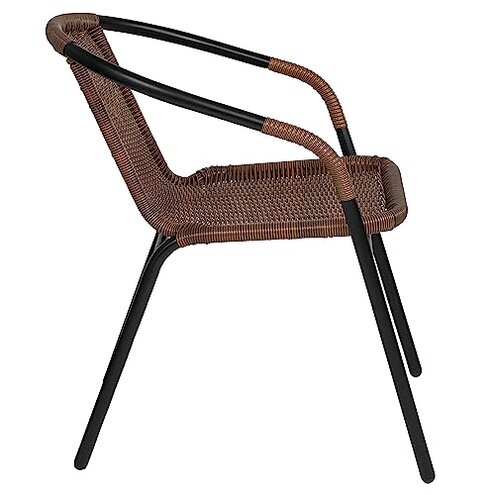
- “Looks great, but it rocks every time I shift my weight.” Primary pattern reflecting stability complaints.
- “Fine for quick coffee, but not comfortable for a full dinner.” Secondary pattern reflecting long-sit comfort limits.
- “I had to add pads so it wouldn’t mark my floor.” Secondary pattern reflecting hidden accessory needs.
- “More ‘plastic’ looking than I expected indoors.” Edge-case pattern reflecting appearance mismatch.
- “Lightweight is nice, but it feels less solid than my old set.” Primary pattern tying weight to perceived sturdiness.
Who should avoid this
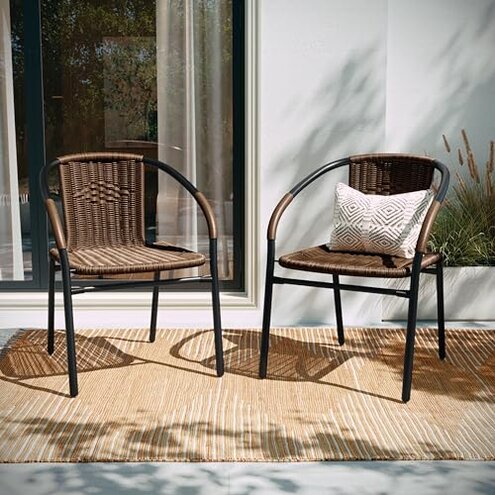
Hard-floor homes should be cautious if rocking chairs drive you nuts during meals.
Long dinner hosts may regret the comfort ceiling that shows up during extended sitting.
Indoor-first buyers who care about close-up look may notice the “photo vs real” gap more.
No-fuss shoppers who don’t want extra pads or tweaks may dislike the hidden requirements.
Who this is actually good for
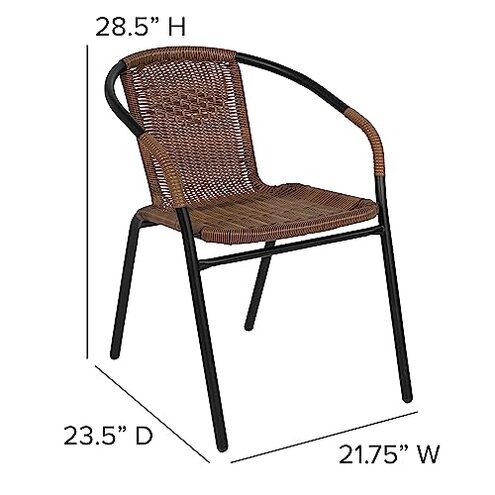
Occasional patio use fits buyers who sit briefly and value light, easy-to-move chairs.
Space savers who prioritize stacking may accept minor stability tuning as the trade.
Outdoor dining spots that already use floor pads and routine maintenance can absorb the extra steps.
Budget refresh shoppers who want the look and can tolerate add-ons like cushions and protectors.
Expectation vs reality
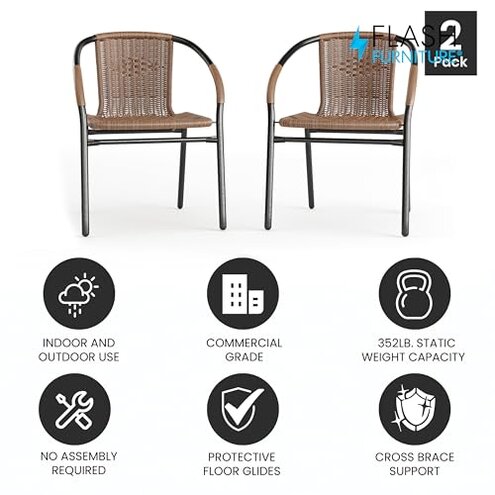
- Expectation (reasonable for this category) is stable seating without tinkering on flat floors.
- Reality is higher-than-normal wobble sensitivity that can require pads or shims.
| What you expect | What some buyers report |
|---|---|
| Comfort that lasts through meals. | Pressure points that show up during longer sits. |
| Floor-friendly daily moving. | Extra protection needed to feel safe on hard floors. |
| Photo match indoors. | Different vibe under indoor lighting and close inspection. |
Safer alternatives
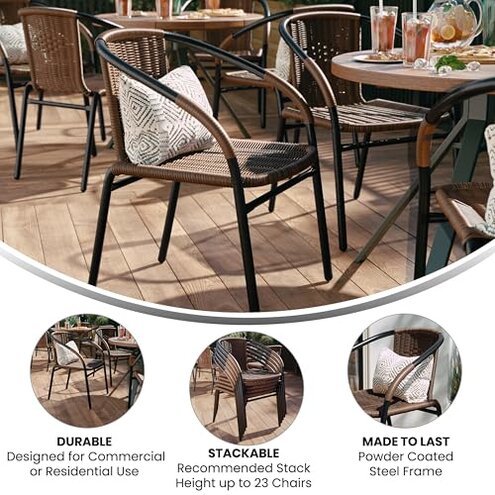
- Prioritize adjustable feet to reduce wobble on mixed patio and indoor floors.
- Choose cushioned or pad-ready seats if you routinely sit longer than quick snacks.
- Look for included floor protectors to avoid surprise add-ons and ongoing replacements.
- Filter for heavier dining chairs if “solid feel” matters more than easy stacking.
- Demand close-up photos in feedback to reduce indoor appearance surprises.
The bottom line
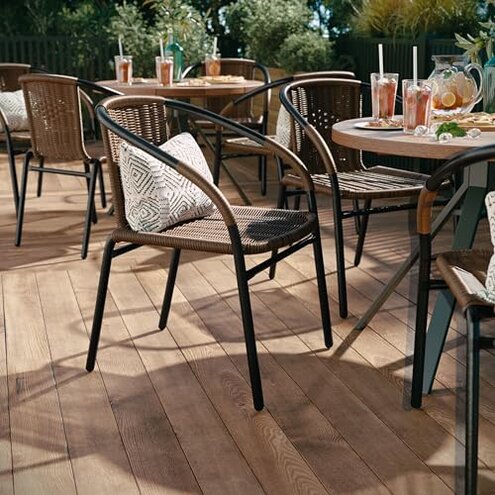
Main regret trigger is a chair that can look stylish but feel unstable or fussy in daily dining use. Category risk feels higher than normal because the annoyance repeats every time you sit, not just at setup. Verdict is to avoid if you need steady, comfortable indoor dining chairs without added pads and tweaks.
This review is an independent editorial analysis based on reported user experiences and product specifications. NegReview.com does not sell products.