
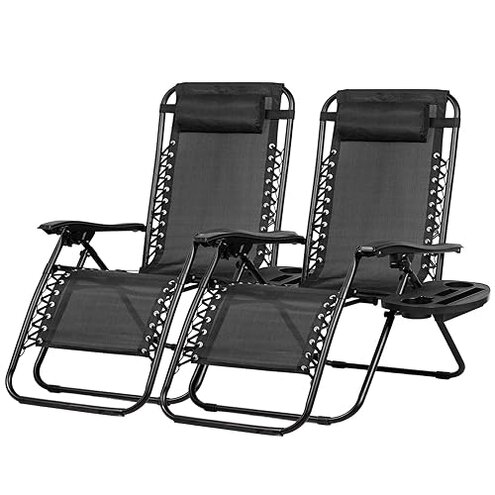
Product evaluated: Nazhura Set of 2 Relaxing Recliners Patio Chairs Adjustable Steel Mesh Zero Gravity Lounge Chair Beach Chairs with Pillow and Cup Holder Black
Related Videos For You
Product Review: Amazon Basics Zero Gravity Lounge Chair
Zero Gravity Chair Adjustment Video
Data basis for this report came from analyzing dozens of buyer feedback items collected over a recent 12-month window. Sources included a mix of written ratings with short comments and photo uploads, with some feedback backed by video demonstrations. The balance of signals leaned toward written experiences, with visual posts mainly used to confirm packaging, finish, and fit-and-fold problems.
| Buyer outcome | Nazhura set of 2 | Typical mid-range alternative |
|---|---|---|
| Comfort over time | Mixed; recurring notes of pressure points and awkward pillow/tray placement during long sits | More consistent; fewer comfort surprises once adjusted |
| Stability when reclined | Higher risk; wobble and shifting feel show up during position changes | Lower risk; usually steadier through recline transitions |
| Locking reliability | Uneven; less frequent than comfort complaints but more disruptive when it happens | Predictable; locks tend to hold with less fiddling |
| Out-of-box condition | Elevated reports of scuffs/bent feel or misaligned parts on arrival | Moderate; occasional cosmetic issues, fewer functional impacts |
| Regret trigger | “It won’t stay where I set it” or feels unstable when you finally relax | “Not perfect, but usable” even if cosmetics aren’t ideal |
Top failures
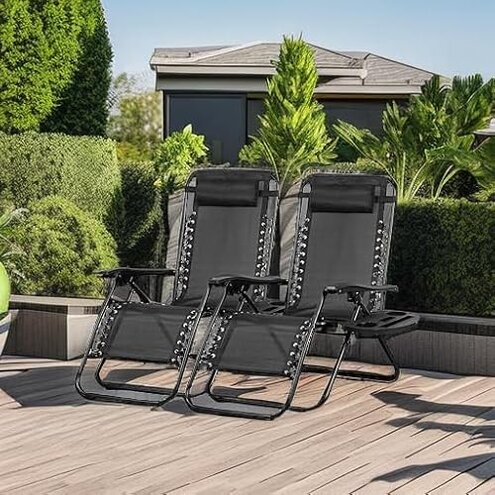
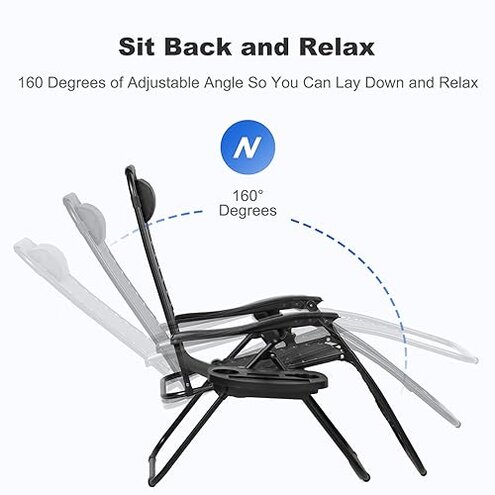
Does it feel wobbly when you recline and shift your weight?
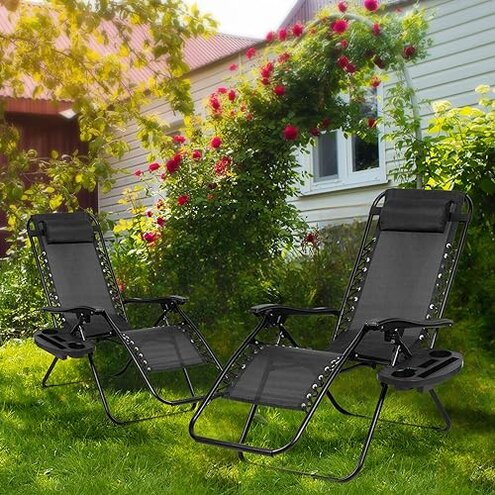
Frustration moment shows up when you lean back, adjust, and the chair feels like it shifts under you. That’s more disruptive than a minor squeak because it breaks the “zero-gravity” relaxation promise.
Pattern appears repeatedly, but it is not universal. It is most noticeable during first uses and when changing angles in longer lounging sessions.
Why worse than typical mid-range loungers is the sensitivity to normal movement. Similar chairs usually tolerate small shifts without feeling unstable.
- Early sign: you feel a small side-to-side movement as soon as you lean back.
- Primary pattern: instability is commonly reported during recline transitions, not just while sitting still.
- Trigger: it worsens with frequent repositioning, like reading, phone scrolling, or getting in and out.
- Impact: you end up bracing with your arms, which reduces comfort faster than expected.
- Mitigation: a flat surface helps, but it does not always remove the shifting feel.
- Fixability: if the wobble is from alignment, it is hard to “tune out” without returns or replacements.
- Illustrative: “When I recline, it shifts like it’s not fully stable.” Primary pattern tied to recline transitions.
Do the locks hold the angle, or do you keep re-tightening?
- Regret point: you finally find a position and notice the chair slowly changes or needs extra tightening.
- Frequency tier: this is a secondary issue; less common than wobble, but more frustrating when it hits.
- When it happens: it shows up after setup, during the first few longer sits when you test multiple angles.
- Worsens with: long sessions where you shift your legs and back pressure repeatedly.
- Category contrast: mid-range chairs typically need one firm set, not repeated knob checks.
- Hidden requirement: you may need to re-check both sides to keep the recline even, which adds extra steps every use.
- Workaround: staying in one position reduces the problem, but that defeats adjustable reclining.
- Illustrative: “I keep tightening the locks, but it still doesn’t feel set.” Secondary pattern tied to locking friction.
Is it comfortable for more than a quick sit?
- Comfort dip: pressure points and awkward support are commonly reported once the novelty wears off.
- When: it shows up after 20–40 minutes of reading or phone use, not in a quick test sit.
- What worsens it: the problem increases with long lounging and frequent micro-adjustments.
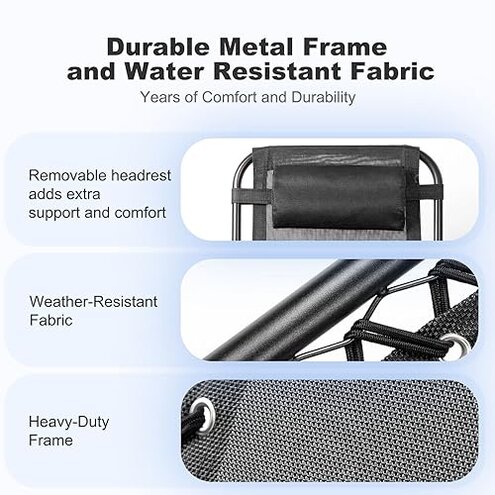
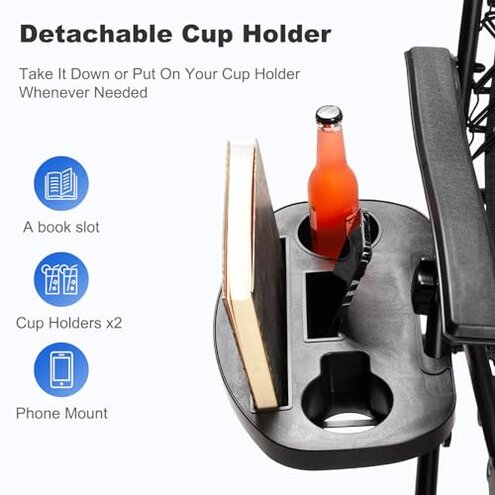
- Contributing factor: the pillow and tray placement can feel “never quite right” for some body sizes.
- Category contrast: most mid-range zero-gravity chairs are forgiving even if not plush.
- Impact: you may end up adding your own cushion, which reduces the “ready to relax” value.
- Mitigation: removing the tray during lounging can help if it bumps your arm position.
- Illustrative: “Feels fine at first, then my back starts looking for support.” Primary pattern tied to longer sessions.
Do they arrive with cosmetic or alignment problems?
- Unboxing risk: arrival condition issues appear repeatedly, especially scuffs and “not quite straight” feel.
- When: you notice it before first use while unfolding and checking both chairs side-by-side.
- Category contrast: minor marks happen in this category, but recurring reports suggest a higher hassle return-or-accept decision.
- Impact: cosmetic problems are easy to ignore, but alignment issues can connect to wobble during reclining.
- Mitigation: checking the frame and locks immediately helps you decide within the return window.
- Fixability: cosmetic wear is livable, but functional misalignment is usually a swap, not a tweak.
- Illustrative: “One chair looks fine, the other seems slightly off when opened.” Secondary pattern tied to set consistency.
Who should avoid this
- Stability-sensitive buyers who hate any shifting while reclining, because wobble is a primary recurring complaint during angle changes.
- Set-and-forget loungers who want one quick lock and relax, because repeated lock fiddling is a persistent secondary pattern.
- Long-session users who sit for extended reading or phone time, because comfort drop-offs appear after longer use more than quick tests.
- Gift buyers who need flawless unboxing, because arrival-condition complaints create avoidable exchange stress.
Who this is actually good for
- Occasional backyard sitters who use short sessions and can tolerate minor shifting in exchange for a lower-cost set of two.
- DIY-comfort buyers who already plan to add a cushion, since that offsets the commonly reported long-sit comfort limits.
- Flat-surface users who keep it on a patio or deck and move it less, which can reduce stability and lock frustrations.
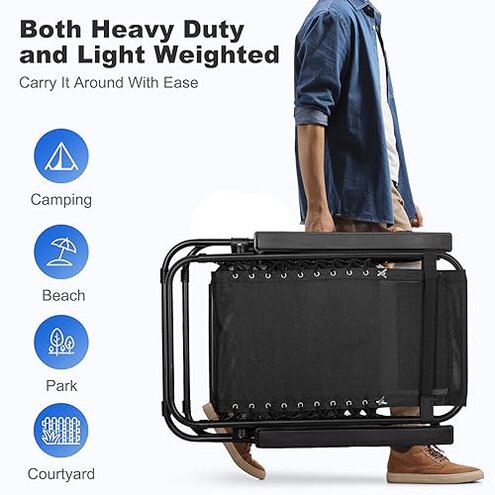
- Return-ready shoppers who will inspect immediately and exchange fast if one chair arrives misaligned.
Expectation vs reality
- Expectation: a reasonable mid-range zero-gravity chair should feel steady during recline changes. Reality: wobble during transitions is reported often enough to be a regret trigger.
- Expectation: adjustable locks should hold after one firm set. Reality: some owners describe repeated tightening during early use.
Expectation for a “set of 2” is consistent feel between chairs. Reality includes recurring notes that one chair can feel different on arrival or in use.
Safer alternatives
- Prioritize chairs with widely reported steady recline transitions to neutralize the wobble risk during weight shifts.
- Look for simpler, more positive-feel locking mechanisms to reduce re-tightening during long sits.
- Choose models known for consistent out-of-box alignment to avoid the one-chair-different set problem.
- Shop for comfort-first designs if you lounge for long periods, since pressure-point complaints appear after extended use here.
The bottom line
Main regret is the chair not feeling reliably stable when you recline and reposition. Why it exceeds normal category risk is that the instability shows up during common use, not edge cases. Verdict: if you want “set it and relax” confidence, this is a higher-avoid product than typical mid-range options.
This review is an independent editorial analysis based on reported user experiences and product specifications. NegReview.com does not sell products.