
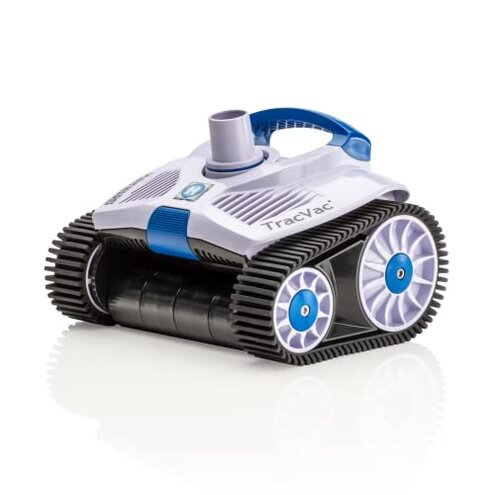
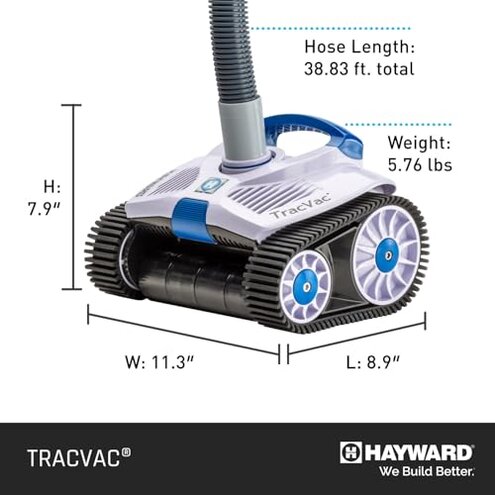
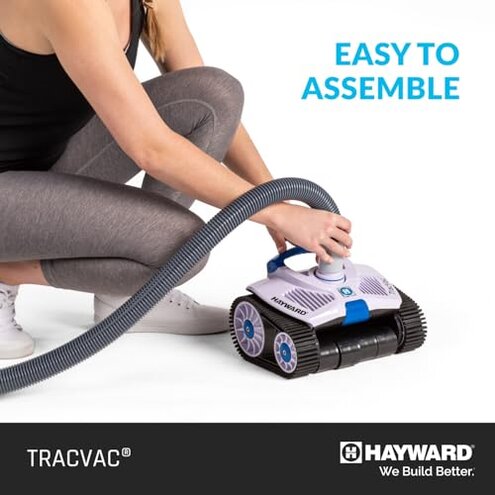
Product evaluated: Hayward TracVac Lightweight Automatic Suction Vacuum Cleaner with Hose and Valve for In Ground Swimming Pool Maintenance, White
Related Videos For You
How To Set Up A Hayward Suction Pool Cleaner
Pool Care for Beginners- How to clean and maintain your pool- Filmed in 4k
Data basis: This report used feedback from dozens of written reviews and several video demonstrations collected between January and December 2025, with most feedback coming from written customer reports supported by posted videos.
Comparative risk snapshot
| Outcome | Hayward TracVac | Typical mid-range suction cleaner |
|---|---|---|
| Cleaning consistency | Uneven — coverage often falters on walls and steps during heavy debris conditions. | More steady — mid-range cleaners usually keep a steadier path with similar pumps. |
| Setup & compatibility | Demanding — needs high pump flow or specific skimmer hookups to work well. | More forgiving — many alternatives work acceptably with common pump setups. |
| Maintenance frequency | Higher-than-normal — hoses, regulator, or tracks often need adjustment or replacement. | Lower — mid-range models typically require less recurring tinkering. |
| Regret trigger | Cleaning failures — recurring suction loss or frequent manual interventions make ownership frustrating. | Less likely — regret usually tied to price, not daily failure. |
Top failures
Why does the cleaner lose suction or move poorly during regular runs?
Regret moment: Many buyers report the unit slows or stalls during normal cleaning, forcing manual resets mid-cycle.
Pattern: This is a commonly reported problem that appears during first weeks of use and after heavy debris events.
Category contrast: It is more disruptive than expected for mid-range suction cleaners, which usually keep running until a full clog or pump issue.
Is it prone to getting stuck, clogged, or leaving piles of debris?
- Early sign: The cleaner often circles or stays in one spot when pick-up capacity is exceeded.
- Frequency tier: This is a primary issue reported repeatedly by users after setup and during heavy-leaf seasons.
- Cause: Suction sensitivity and small intake design make it struggle with large leaves or sand.
- Impact: Users face extra work—manual scooping and vacuum passes—to finish a clean.
How durable are the parts and how often will I need replacements?
- Wear signs: Tracks, hoses, and the regulator valve are often listed as needing repair or swap within months.
- Pattern: This is a secondary issue that appears more after repeated use in rough-bottom pools.
- Hidden cost: Replacement parts and time add up and can approach the cost of a higher-tier unit.
- Attempts: Owners commonly tighten hoses or replace small parts, which temporarily helps.
- Fixability: Repairs are possible but require extra parts and effort, not a simple adjustment.
- Why worse: This model is less forgiving than typical mid-range cleaners that keep functioning longer between fixes.
Will setup, pump needs, or hidden fittings make this a hassle to install and use?
- Hidden requirement: The unit needs adequate pump flow or a specific skimmer/hose arrangement to run well.
- When it appears: Problems show up at first setup or when switching to variable-speed pumps.
- User impact: Buyers report added trips to hardware stores or calls to pool pros for adapters.
- Frequency tier: This is a primary pattern for owners with older or low-flow pumps.
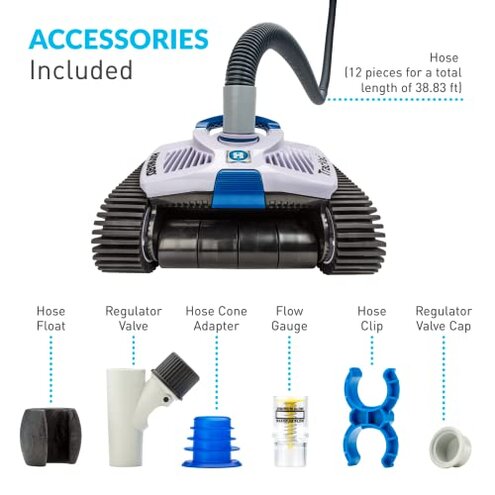
- Cause: The included regulator and hose setup can require tuning for real-world conditions.
- Attempts: Users add floats, trim hoses, or adjust valves to chase consistent suction.
- Why worse: Unlike many mid-range cleaners, this one demands more setup time to avoid daily interruptions.
Illustrative excerpts (not exact quotes)
Excerpt: "Keeps stopping mid-clean until I reset the skimmer hose manually."
Pattern: Primary pattern — reflects the suction loss issue.
Excerpt: "Leaves pile up on the wall, it never climbs properly."
Pattern: Secondary pattern — shows coverage and climbing problems under heavy debris.
Excerpt: "Had to replace the valve after three months of use."
Pattern: Secondary pattern — indicates faster-than-expected wear on parts.
Excerpt: "Needed a special adapter for my older pump to get any suction."
Pattern: Edge-case pattern — highlights hidden installation requirements for some pools.
Who should avoid this
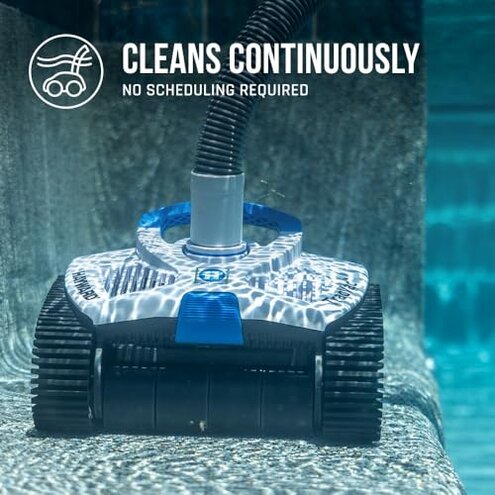
- Low-flow pump owners: Avoid if you have an older or variable-speed pump that can’t deliver steady suction.
- Busy owners: Avoid if you want a near-no-maintenance cleaner; this model needs frequent tweaking.
- Leaf-heavy pools: Avoid if your pool gets lots of large debris, since it often clogs or stalls.
Who this is actually good for
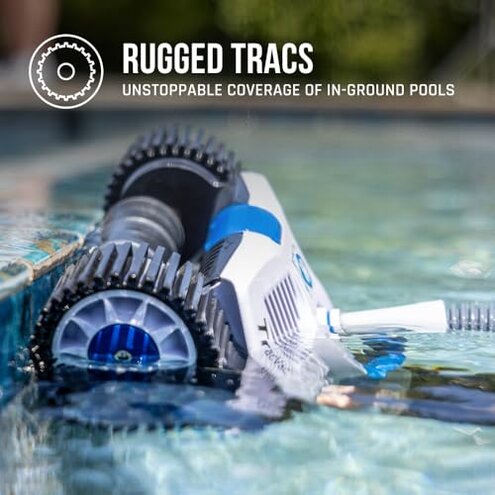
- Hands-on owners: Good for those willing to tune hoses and valves and accept occasional repairs.
- High-flow systems: Works well if you already have a strong pump and proper skimmer fittings.
- Small debris pools: Useful in pools with mainly fine debris where suction demands are lower.
Expectation vs reality
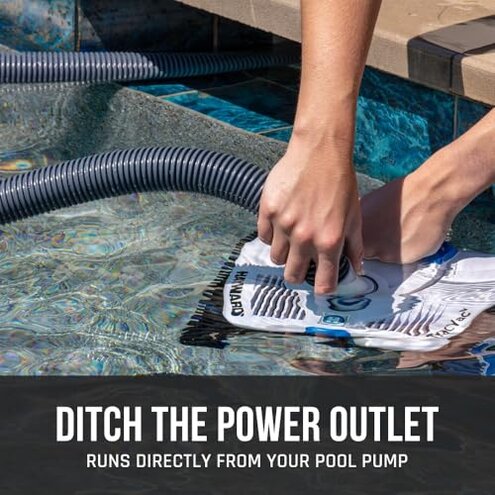
- Expectation: Reasonable for this category is a suction cleaner that runs several cycles without intervention.
- Reality: This unit can require repeated resets or adjustments during normal runs, which is worse than expected.
- Expectation: Many buyers expect straightforward setup with included parts.
- Reality: You may need extra adapters and time to tune flow for reliable cleaning.
Safer alternatives
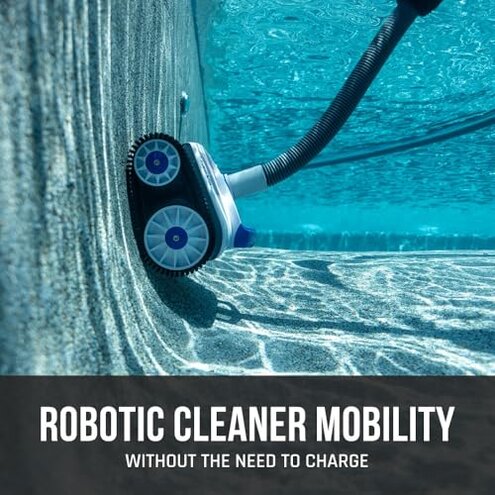
- Pick a forgiving model: Choose cleaners that list broad pump compatibility to avoid hidden flow requirements.
- Prioritize debris capacity: Look for larger intakes or debris bags if your pool gets leaves or gravel.
- Check parts availability: Prefer brands with easy replacement hoses and valves to cut downtime.
- Seek pro advice: If you run a low-flow pump, consult a pool pro to match cleaners to pump capacity.
The bottom line
Main regret: The primary trigger is recurring suction loss and extra maintenance during normal use.
Why it matters: This goes beyond typical mid-range risk because it often forces manual resets and extra parts expense.
Verdict: Avoid this model unless you have a high-flow pump and you accept hands-on tuning and repairs.
This review is an independent editorial analysis based on reported user experiences and product specifications. NegReview.com does not sell products.