
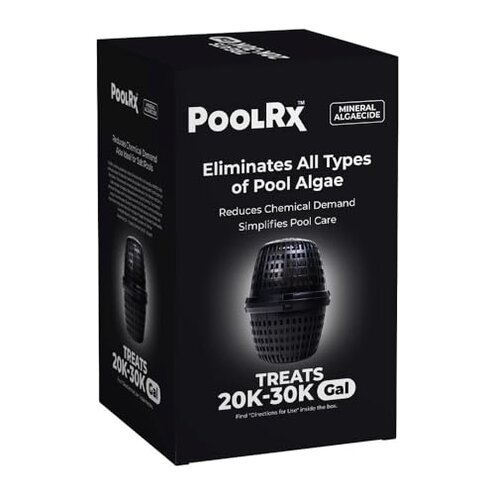
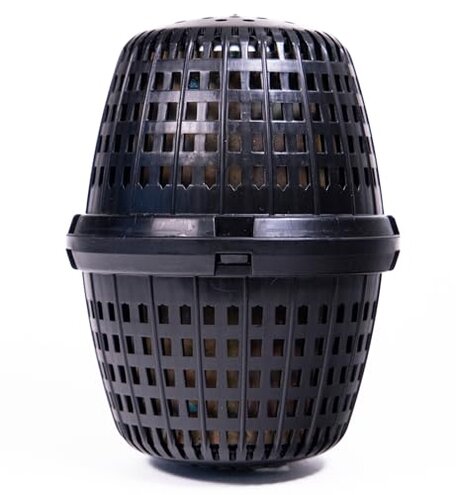
Product evaluated: PoolRx Pool Unit #101066 6 Month Algaecide Treats 20k-30k gallons, Black
Related Videos For You
How to Get Rid of POOL ALGAE (Green Water)
POOL MAINTENANCE For Beginners [Step-By-Step ACTION PLAN]
Data basis: I analyzed dozens of buyer reviews and several video demonstrations collected between 2020 and 2025. Primary sources were written product reviews, supported by video demos and Q&A posts. Signal mix shows clear recurring themes plus some less frequent but persistent problems.
| Outcome | PoolRx unit | Typical mid-range alternative |
|---|---|---|
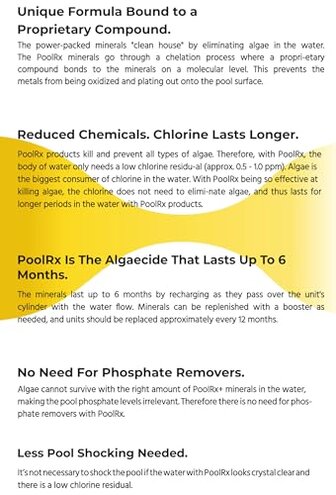
| Algae control | Variable results: commonly reported loss of control within weeks for some owners. | More consistent: mid-range options tend to keep pools clearer longer between treatments. |
| Maintenance frequency | Higher risk: appears repeatedly that performance drops before advertised lifespan. | Lower risk: most alternatives require predictable, less frequent top-ups or maintenance. |
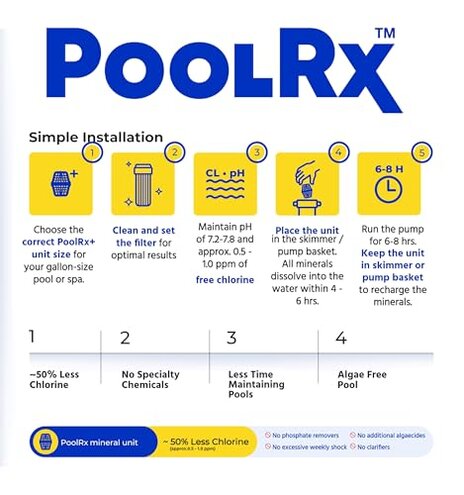
| Installation fit | Placement-sensitive: needs correct basket placement to work as intended. | More forgiving: many competitors use flexible packaging or liquid dosing that fits most systems. |
| Cost over time | Higher ongoing cost: recurring replacement can make total cost above typical alternatives. | Predictable cost: mid-range treatments often offer clearer per-season pricing or refills. |
| Regret trigger | Unexpected return: algae return before replacement is due is the most common regret. | Smaller surprise: regret usually limited to normal seasonal maintenance. |
Top failures
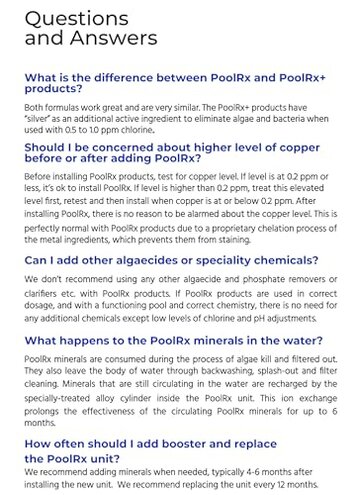
Why does algae return sooner than I expected?
Regret moment: Many buyers report algae returning within weeks after initial improvement.
Pattern note: This is a commonly reported issue among reviewed feedback, not a one-off complaint.
Category contrast: That feels worse than typical mid-range products which usually keep pools algae-free longer between treatments.
Is there a hidden placement or maintenance trick I missed?
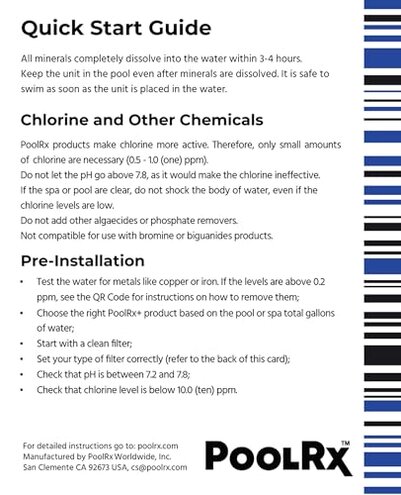
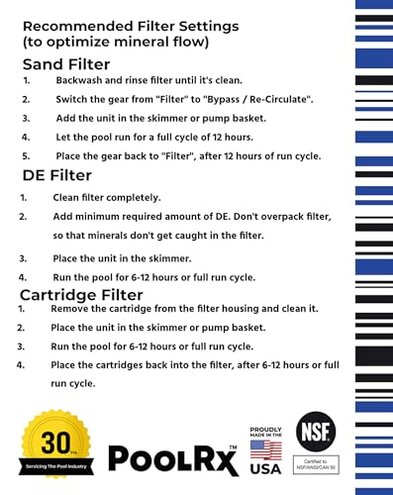
- Early sign: Owners notice weaker effect if the unit is not sitting correctly in a basket.
- Usage anchor: Problem appears at first setup and during normal pump circulation checks.
- Frequency tier: This placement sensitivity is a primary pattern in many reports.
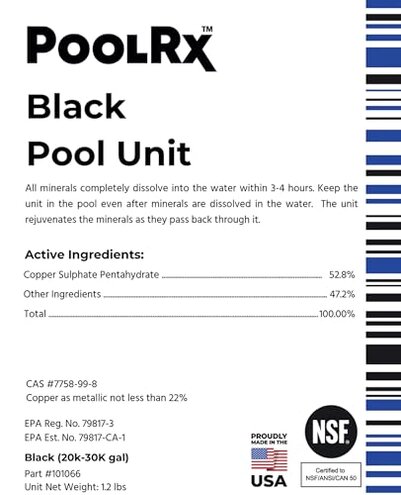
- Hidden requirement: Correct basket placement and uninterrupted pump flow are often needed but not obvious to buyers.
Will it physically fit my pump/skimmer without hassle?
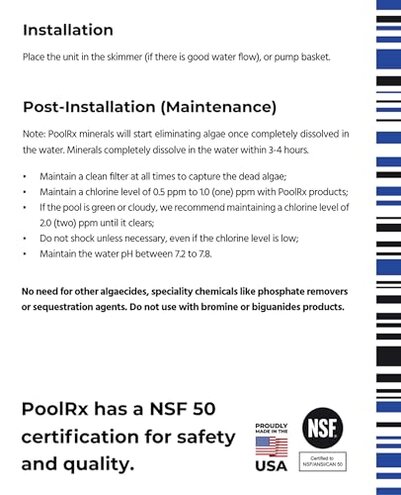
- Fit issue: Some owners report awkward fit in specific skimmer baskets on first install.
- When it shows: Fit problems appear during initial installation and when accessing baskets for cleaning.
- Scope signal: This appears repeatedly across different pool setups, suggesting wider compatibility limits.
- Impact: Poor fit can reduce contact with circulating water and lower effectiveness.
- Attempted fixes: Buyers tried wedging or repositioning the unit, with mixed success reported.
- Category contrast: Many mid-range alternatives are more adaptable to varied basket sizes.
Is the long-run cost actually higher than I expect?
- Cost worry: Several buyers flagged recurring purchases as a major downside to ownership.
- Usage anchor: Cost concerns grow after a season of needing more frequent replacements than hoped.
- Frequency tier: This is a secondary but common complaint across reviews.
- Impact: Replacing units sooner raises total seasonal cost versus expected.
- Attempts: Some users combined this unit with higher chemical dosing to compensate, adding expense.
- Fixability: The only reliable fix is purchasing more units, which increases ongoing cost.
- Category contrast: Value is worse than many mid-range treatments that spread cost across predictable refills.
Illustrative excerpts
Excerpt: "Cleared fast but algae came back within two weeks of use." — primary pattern
Excerpt: "Needed exact basket position or it barely worked at all." — primary pattern
Excerpt: "Worked fine for a month, then required extra chemicals." — secondary pattern
Who should avoid this
- Owners needing low effort: Avoid if you want a set-and-forget, season-long solution without checks.
- Small or odd baskets: Avoid if your skimmer or pump basket is nonstandard or tightly sized.
- Budget-conscious buyers: Avoid if you cannot absorb higher recurring replacement costs.
Who this is actually good for
- Hands-on owners: Good if you check equipment often and can optimize placement to improve results.
- Supplemental users: Good if you use it as part of a broader chemical program and accept extra checks.
- Experienced pool techs: Good if you can tune circulation and basket fit to reduce issues.
Expectation vs reality
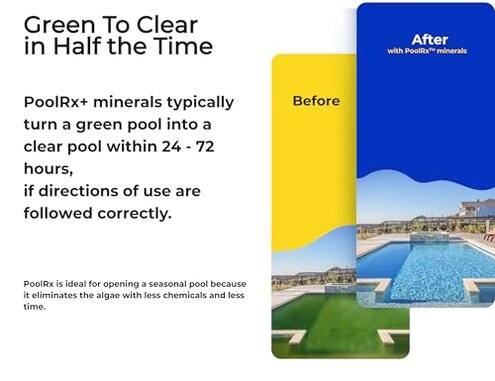
Expectation: Buyers reasonably expect a six-month treatment to keep water clear for months without extra steps.
Reality: Reports show performance can drop earlier, creating extra work and cost within the same season.
Safer alternatives
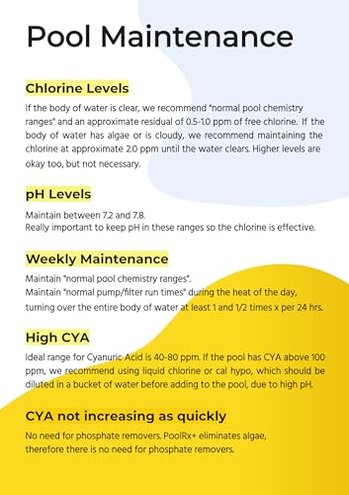
- Choose forgiving designs: Look for treatments with flexible dosing or liquid options to avoid fit problems.
- Prioritize proven consistency: Pick products with consistent season-long tracking rather than single-unit claims.
- Check basket compatibility: Verify physical dimensions against your skimmer or pump basket before buying.
- Plan total cost: Compare seasonal replacement needs to per-season pricing for predictable budgeting.
The bottom line
Main regret: The top buyer trigger is premature algae return and placement sensitivity that forces extra checks and cost.
Why it matters: These issues raise maintenance and expense above typical mid-range pool treatments and can cause regret.
Verdict: Avoid if you need a low-effort, predictable seasonal solution; consider more forgiving alternatives instead.
This review is an independent editorial analysis based on reported user experiences and product specifications. NegReview.com does not sell products.