
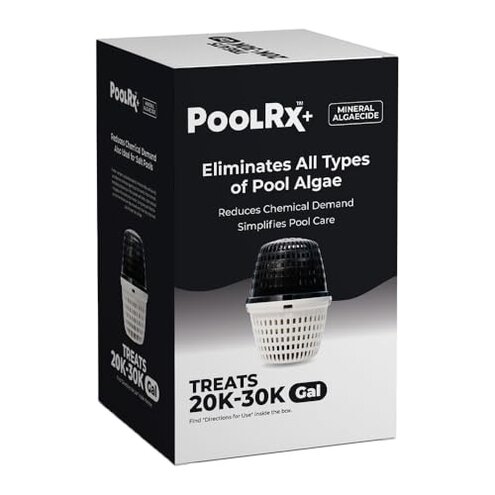
Product evaluated: PoolRX+ Pool Unit 20k-30k gallons
Related Videos For You
POOL ANATOMY and PLUMBING For Beginners (Step-By-Step Walkthrough)
The TRUTH About Using ALGAECIDE In Your POOL
Data basis: This report synthesizes feedback from dozens of written customer reviews and several video demonstrations, collected through Feb 2026. Most feedback came from written reviews, supported by video demos and Q&A posts, with the largest share reporting performance or setup problems.
| Outcome | PoolRX+ Unit | Typical mid-range alternative |
|---|---|---|
| Algae control reliability | Inconsistent — commonly reported failures under heavy load or warm weather. | More stable — usually keeps algae suppressed for full season when sized correctly. |
| Maintenance frequency | Higher-than-normal — users often needed extra shock or replacement sooner than expected. | Lower — typical units need fewer mid-season interventions. |
| Hidden setup needs | Present — requires continuous circulation and careful placement to work well. | Less finicky — mid-range options tolerate varied placement and intermittent pumps better. |
| Replacement hassle | Moderate — replacements and returns appear to add time and cost for some buyers. | Typical — similar-sized products usually have standard spare options and clearer instructions. |
| Regret trigger | Algae return — visible algae or cloudiness despite using the unit. | Less likely — mid-range choices typically delay visible regret unless misused. |
Top failures
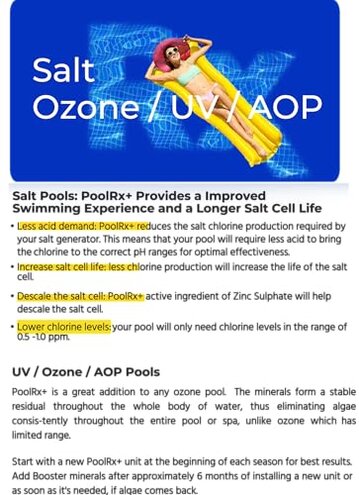
Why did my pool get algae again despite using this unit?
Regret moment: Owners report seeing visible algae or cloudiness after initial weeks of use, which felt like a core failure.
Pattern: This is a commonly reported problem in written reviews and video demos, not universal but frequent enough to be a primary concern.
Usage anchor: The issue typically appears after setup and during warm-weather weeks when demand on the unit increases.
Category contrast: This feels worse than normal because mid-range alternatives usually keep algae suppressed for longer before requiring extra shocking.
Why does the unit stop performing long before six months?
- Early sign: Reduced clarity or algae patches within weeks instead of months.
- Frequency tier: This is a primary issue reported by many buyers rather than an occasional fluke.
- Likely cause: Performance drops when circulation is inconsistent or pool demand is high.
- Impact: Owners needed extra chemical shocks, adding unplanned cost and time.
- Fixability: Temporary fixes work, but many users reported needing replacement sooner than expected.
Is there a setup trick I missed that makes this work?
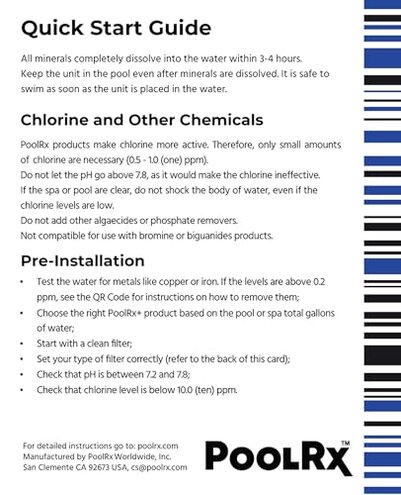
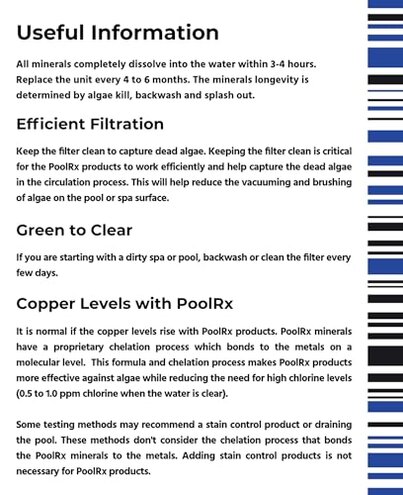
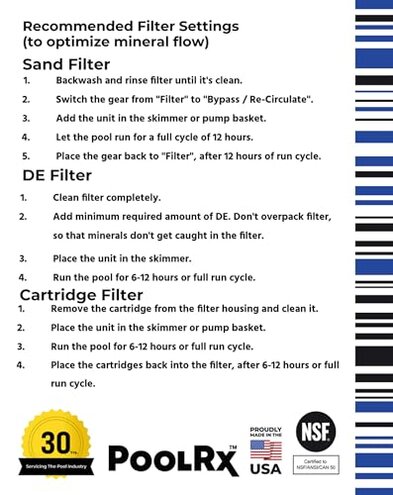
- Hidden requirement: The unit often needs continuous circulation and specific placement to be effective.
- When it shows up: Problems appear after installation when pumps are cycled off at night or during low-flow periods.
- Frequency tier: This is a secondary issue but it explains many primary failures.
- Cause detail: Poor placement or intermittent flow reduces contact time, dropping performance quickly.
- Hidden cost: You may need to run your pump more, increasing energy use compared with typical alternatives.
- Why worse than baseline: Most mid-range units tolerate some pump downtime; this product is less forgiving.
What about replacements, cost, and support headaches?
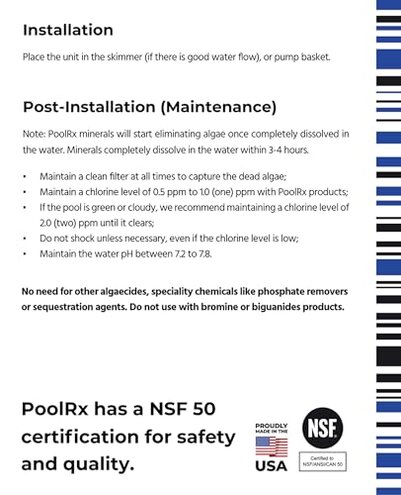
- Common complaint: Buyers report extra steps for replacements or returns, making fixes slower than expected.
- Scope signal: This appears across written reviews and Q&A threads rather than isolated posts.
- Frequency tier: Considered a secondary issue but it compounds frustration when paired with performance failure.
- Impact: Replacement cost and time adds to overall ownership expense.
- Attempts: Users mention temporary workarounds but often needed to contact support for full resolution.
- Hidden requirement: Some buyers needed extra pool prep or higher sanitizer levels to get acceptable results.
- Category contrast: Typical mid-range alternatives offer clearer spare-part paths and consistent lifespans.
Illustrative excerpts (not real quotes)
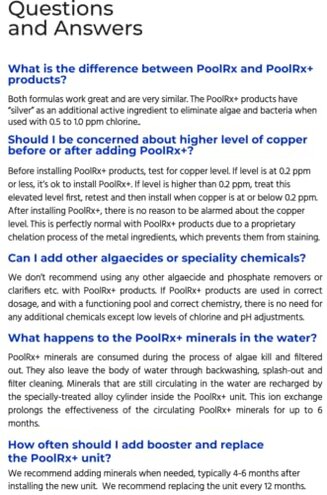
Illustrative: "Started clear, then algae showed up within three weeks despite steady pumping." — primary pattern.
Illustrative: "Worked fine with pump on all day but clouded when pump cycled off nightly." — secondary pattern.
Illustrative: "Replacement was slower and more steps than I expected for a simple unit." — edge-case pattern.
Who should avoid this
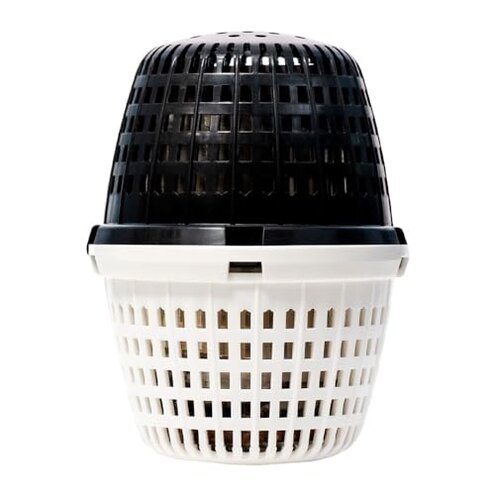
- Large, high-use pools: If you run heavy bather load or warm-weather schedules, the algae risk is higher than normal.
- Low-energy owners: If you can’t or won’t run your pump more, the hidden circulation need will cause poor results.
- Buyers wanting set-and-forget: If you dislike mid-season shocks or replacements, this product requires more upkeep than typical options.
Who this is actually good for
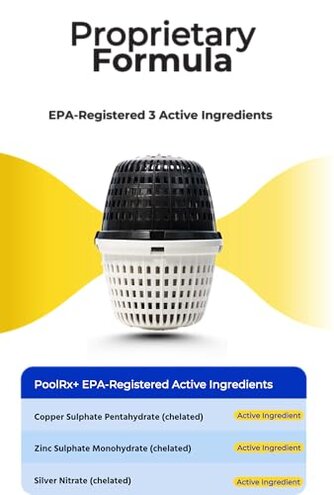
- Owners with strong circulation: If you run your pump 24/7, you can tolerate the setup sensitivity and may see acceptable results.
- Budget-focused shoppers: If lower upfront price matters more than long-term convenience, you may accept earlier maintenance.
- DIY pool techs: If you’re comfortable adjusting placement and chemistry, you can manage the performance trade-offs.
Expectation vs reality
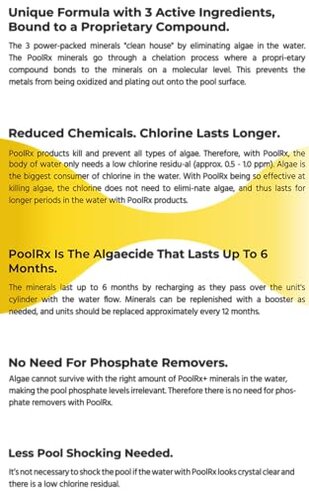
- Expectation: A single unit lasts six months and prevents algae for the season.
Reality: Many buyers saw performance drop well before six months under typical warm-weather use. - Expectation: Works with normal pump schedules.
Reality: Effectiveness often depends on continuous circulation, which is stricter than category baseline. - Expectation: Easy replacements and low support friction.
Reality: Several users reported extra steps and delays when seeking replacements.
Safer alternatives
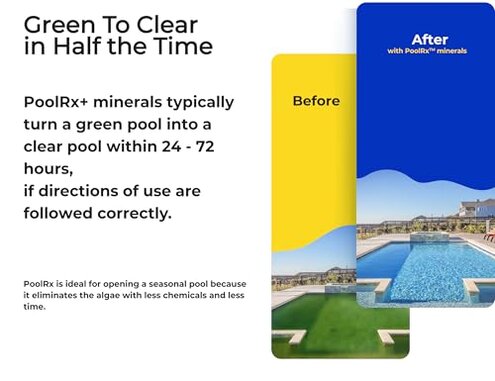
- Choose units sized generously: Pick a product rated above your pool volume to reduce algae risk under high load.
- Prefer tolerant designs: Look for brands that state performance with intermittent pumps to avoid the hidden circulation problem.
- Check spare availability: Prioritize vendors with clear replacement parts and policy to reduce replacement hassle.
- Read real-world tests: Seek demonstration videos showing several weeks of use to judge longer-term reliability.
The bottom line
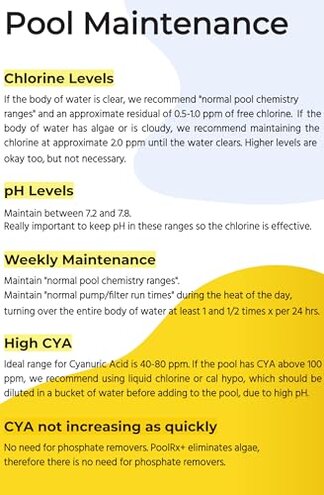
Main regret: Visible algae or cloudiness despite using the unit is the central trigger for buyer disappointment.
Why worse: The product is less forgiving than typical mid-range options because it often needs continuous circulation and earlier maintenance.
Verdict: Avoid this unit if you need low-maintenance, season-long algae protection or cannot commit to stricter pump and upkeep requirements.
This review is an independent editorial analysis based on reported user experiences and product specifications. NegReview.com does not sell products.