
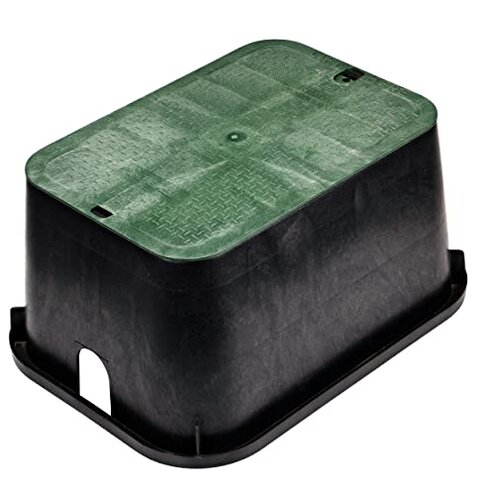
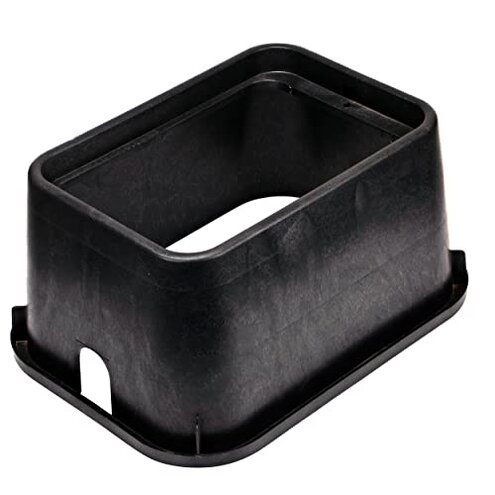
Product evaluated: NDS 117BC* 15 in. X 22 in. Rectangular Jumbo Valve Box and Cover, 12 in. Height, Irrigation Control Valve Lettering, Black Box, Green Overlapping Cover, Black/Green
Related Videos For You
Installing Valves and Wiring in a Residential Irrigation System
How to replace a sprinkler valve box
Data basis: This report is built from dozens of consumer reviews, video demonstrations, and Q&A comments collected between Jan 2018 and Dec 2025. Most feedback came from written reviews, supported by video demonstrations and user troubleshooting posts.
| Outcome | NDS 117BC | Typical mid-range box |
|---|---|---|
| Durability | Higher break risk — lids and edges commonly reported to crack under removal or lawn equipment. | Moderate — most mid-range boxes resist casual lawn impact without cracking. |
| Fit & seal | Loose or uneven — overlapping cover often gaps, letting debris in after installation. | Tighter — typical alternatives have snugger fits or locking tabs. |
| Installation tolerance | Needs careful bedding — sensitive to shallow placement or poor backfill. | More forgiving — many boxes tolerate varied trench depths and backfill types. |
| Maintenance | More frequent — users report repeated lid resets and cleaning. | Lower — fewer recurring adjustments needed. |
| Regret trigger | Cracked/loose lid — primary reason buyers report disappointment. | Loose fit rare — regret usually from poor installation, not product failure. |
Why did the cover crack or split so soon?
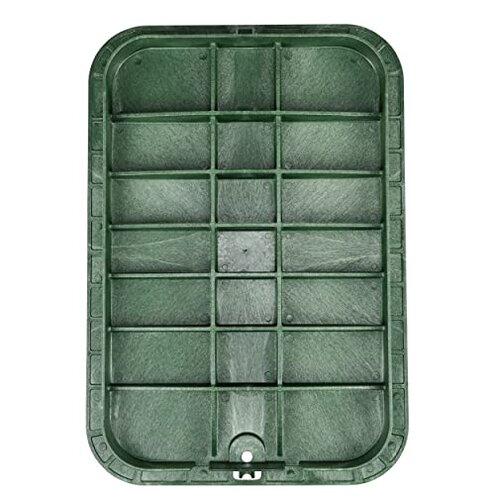
Regret moment: Many buyers notice a crack when prying the cover open for the first few maintenance visits.
Pattern: This problem appears commonly across written complaints and video failures and is not universal.
When it shows up: Cracking usually occurs within early use, often during the first few removals or after winter freeze–thaw cycles.
Why worse than normal: Plastic lids are a category-expected weak point, but this product shows higher fragility than mid-range boxes, producing early replacement needs and extra effort.
Is the lid fit leaving dirt and weeds inside?
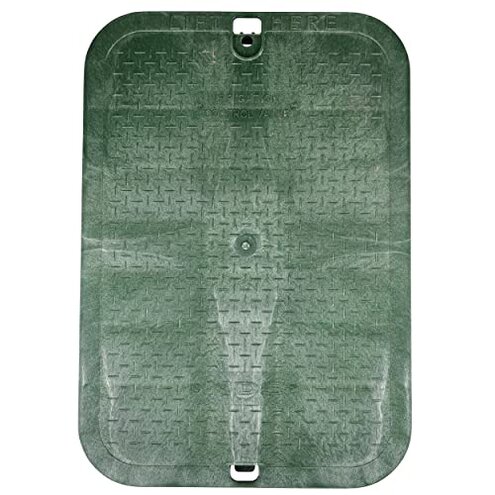
- Early sign: Overlapping rim leaves small gaps that trap debris after light rain.
- Frequency tier: This is a primary issue for many users but not universal; it appears repeatedly.
- Cause: Shallow seating or warped cover increases the gap between box and lid.
- Impact: Debris in the box forces extra cleaning and can block valves during maintenance.
- Fix attempts: Buyers commonly report using sealant or foam to stop dirt, which adds labor and cost.
Will this box handle mower and foot traffic?
- Load issue: Several users found the cover flexes or shifts when hit by lawn equipment.
- Usage anchor: Problems appear during regular mowing or heavy foot traffic over time.
- Scope signal: Seen across multiple seller feedback types and video tests.
- Why worse: Typical mid-range boxes resist casual equipment contact better; this box often needs extra supports.
- Attempted fixes: Reported fixes include adding a paving stone or surround to distribute weight, adding installation time.
- Hidden requirement: Some buyers discover they must install a reinforcement layer (gravel or brick) to meet expected load performance.
- Fixability: While repairable, the extra steps make the solution less convenient than typical alternatives.
Does size or shape cause fitment surprises?
- Mismatch reports: Several buyers report the internal opening feels smaller than expected during first equipment placement.
- When it appears: The issue appears at installation when placing valves or kits into the box.
- Category contrast: Most mid-range boxes give slightly more internal clearance; this product leaves less working space.
- Impact: Tight fit increases handling time and may require extra trimming or repositioning of valves.
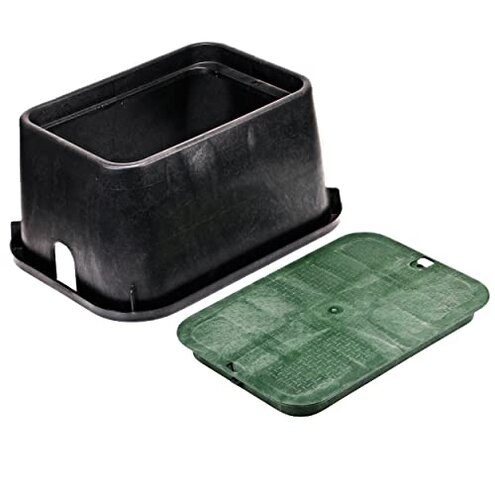
- Cause: Overlapping cover lip and internal wall offsets reduce usable opening.
- Attempted workaround: Buyers often replace the cover or choose alternate valve layouts to fit components.
- Fixability: This is fixable but adds steps and may require returning the product.
- Frequency tier: Secondary issue—less common than cracking but more disruptive during installation.
Illustrative excerpts
"Cover cracked when I first pried it open, unexpected" — reflects a primary pattern.
"Had to add pavers under the box to stop flexing" — reflects a secondary pattern.
"Too tight for my 2-valve kit, needed trimming" — reflects an edge-case pattern.
Who should avoid this
- Heavy-use yards: Avoid if you expect regular mower or ATV contact and need a no-fuss lid.
- Low-maintenance buyers: Avoid if you don’t want extra cleaning or periodic lid reseating.
- Tight installations: Avoid if you need roomy internal clearance for large control kits without modification.
Who this is actually good for
- Light-duty yards: Good if the box is buried in a low-traffic lawn where weight and removal are rare.
- Budget installs: Acceptable when buyers are willing to add simple reinforcement like pavers to prevent flex.
- Temporary setups: Works for short-term or occasional valve housing where early fragility is tolerable.
Expectation vs reality
- Expectation: Reasonable for this category is a cover that opens several times a year without cracking.
- Reality: Many users see early cracking or loosening after a few maintenance cycles, making it worse than expected.
- Expectation: Buyers assume standard boxes fit common valve kits without trimming.
- Reality: This unit often requires workarounds for slightly oversized valve assemblies.
Safer alternatives
- Choose reinforced boxes: Look for mid-range boxes with locking tabs or metal-reinforced lids to avoid early cracking.
- Prioritize snug seals: Select models with gasketed or tighter-fitting covers to reduce debris intrusion.
- Plan for backing: Use boxes designed for higher loads or plan to install a support layer (gravel or paver) to avoid cover flex.
- Check internal clearance: Confirm internal dimensions for your valve kit to prevent fit surprises.
The bottom line
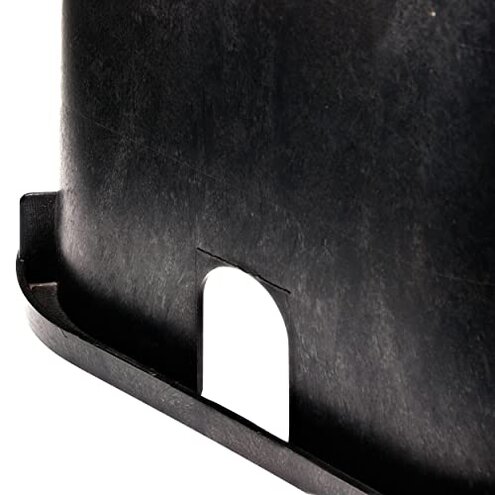
Main regret: The primary trigger is a cracked or loose lid that appears repeatedly in early use.
Why it matters: This exceeds normal category risk because it increases maintenance, may need reinforcement, and can force early replacement.
Verdict: Avoid this box if you need durable, no-modification protection for heavy-traffic or long-term installations.
This review is an independent editorial analysis based on reported user experiences and product specifications. NegReview.com does not sell products.