
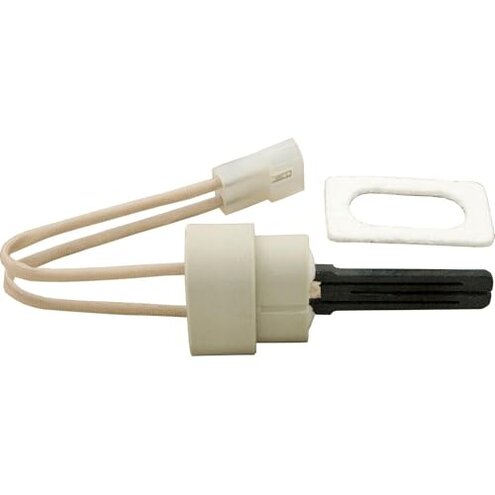
Product evaluated: Pentair 77707-0054 Igniter and Gasket Replacement Kit Pool/Spa Heater
Related Videos For You
Pentair Mastertemp 400 Igniter Troubleshooting and Replacement
Pool Heater: How it works and operation
Data basis: This report draws on dozens of written reviews and several video demonstrations collected through Jan 2026. Most feedback came from written reviews, supported by videos and owner comments. Coverage focused on post-install experiences and first-season failures.
| Outcome | This kit | Typical mid-range |
|---|---|---|
| Fit / Compatibility | High mismatch risk — commonly requires trimming or extra parts during install. | Usually fits — mid-range parts are more often true drop-in replacements. |
| Installation effort | More time — often needs extra tools and steps not listed in the kit. | Lower effort — mid-range options include clearer hardware and instructions. |
| Reliability | Shorter lifespan — appears repeatedly as a post-install failure for some users. | Average lifespan — mid-range alternatives tend to match expected seasonal use. |
| Leak / Seal risk | Higher leak chance — gasket orientation and fit issues reported after setup. | Better sealing — mid-range choices often include pre-shaped gaskets and guides. |
| Regret trigger | Installation surprise — combined fit and missing-tool problems are higher-than-normal category risk. | Typical regret low — most buyers expect straightforward swap-ins. |
Why won't this fit cleanly during installation?
Fit surprises: Many buyers report that the part does not drop in as expected during first install. Pattern: this is a commonly reported issue, not universal but frequent enough to matter.
When it shows: The problem appears at the moment you try to mount the igniter or replace the gasket in older or slightly different heater variants. Worse when heaters have prior repairs or aftermarket mods.
Category contrast: Typical replacement kits in this category are usually true drop-ins; this kit is less forgiving and causes immediate regret for users expecting a simple swap.
Is missing hardware or special tools a deal-breaker?
- Early sign: Package seems complete but buyers commonly report missing small screws or retaining clips.
- Frequency tier: This is a secondary issue that appears repeatedly across feedback.
- Cause: Kit assumes reuse of original fasteners or specific torque tools not included.
- Impact: Installation time increases and may require a second trip to a store.
- Fixability: Can often be fixed by sourcing parts, but it adds unexpected cost and time.
Will this part last through a season?
- Primary pattern: Premature failures are a primary complaint that appears repeatedly after initial use.
- When it fails: Failures commonly occur after multiple heating cycles or within the first season.
- Conditions: Issues worsen with heavy daily use, frequent starts, or high-temperature cycles.
- Cause signal: Users describe ignition faults and shorter-than-expected life, implying durability gaps.
- Category contrast: This is worse than the mid-range baseline where parts usually match expected seasonal lifetime.
- Workaround: Some buyers open replacement warranties or buy higher-grade OEM parts to avoid repeat replacements.
- Hidden cost: Replacing again raises total ownership cost well above peers in the category.
Will the gasket seal properly or cause leaks?
- Early sign: Gasket fit and orientation feel fiddly during first assembly.
- Primary frequency: Seal issues are commonly reported and frequently bundled with fit complaints.
- When it shows: Leaks or poor combustion signs appear immediately after first run or during first use cycles.
- Conditions that worsen: Tight spaces, cross-threaded bolts, or reused old hardware increase leak risk.
- Impact: Poor seal can cause performance loss, increased gas use, or repeated service calls.
- Attempts to fix: Buyers report needing extra sealant, retorquing, or replacing with OEM gaskets.
- Hidden requirement: Correct torque and clean mating surfaces are required but not emphasized in the kit.
- Category contrast: This level of sealing fuss is more than most mid-range kits demand and leads to real regret.
Illustrative excerpt: "Part didn't seat; I had to trim the gasket and buy extra screws."
Pattern: primary pattern — installation and fit problem.
Illustrative excerpt: "Worked for a few weeks, then ignition failed during high-use days."
Pattern: secondary pattern — premature failure after repeated cycles.
Illustrative excerpt: "Almost no instructions on torque or orientation — caused a small leak."
Pattern: secondary pattern — hidden install requirement.
Who should avoid this
- Buyers wanting drop-in swaps: Avoid if you need a true plug-and-play replacement without modifications.
- Low-hands-on owners: Avoid if you cannot source extra tools or spare fasteners quickly.
- Heavy-use pools: Avoid if you run the heater daily, since premature failures appear more disruptive than expected.
Who this is actually good for
- Experienced DIYers: Good if you can trim parts and source missing fasteners to get a working install.
- Owners of exact-stamp models: Good if your heater exactly matches the specified model with no prior mods.
- Short-term fixers: Good if you need a temporary part to limp through a season and accept possible replacement later.
Expectation vs reality
Expectation (reasonable): Buyers expect a replacement igniter kit to be a straightforward swap-in for the stated heater models.
Reality: Many report fit, missing hardware, and hidden torque requirements, which makes the swap take longer and sometimes fail.
Safer alternatives
- Choose OEM-matched parts: Prioritize kits explicitly labeled as exact OEM fit to reduce mismatch risk.
- Buy kits with hardware: Pick options that include fasteners and pre-shaped gaskets to neutralize missing-hardware issues.
- Check return policy: Prefer sellers with easy returns and longer warranties to cover premature failures.
- Prepare tools beforehand: Have torque specs and a small parts kit ready to avoid install surprises.
The bottom line
Main regret: The kit's combination of fit mismatch, hidden installation needs, and durability concerns triggers buyer regret.
Why worse: These problems are more disruptive than typical mid-range replacement kits and add time and cost.
Verdict: Avoid if you need a true drop-in reliable replacement; consider OEM or better-specified alternatives instead.
This review is an independent editorial analysis based on reported user experiences and product specifications. NegReview.com does not sell products.