
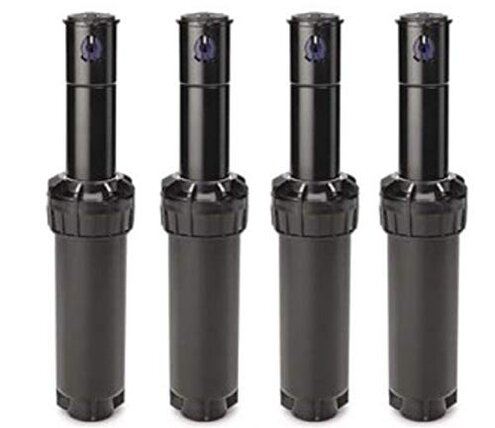
Product evaluated: Rain Bird Rotor Heads 5000 Rotor Sprinkler Heads. 4-Pack
Related Videos For You
Replace SPRINKLER HEAD in 5 Minutes - Rainbird - Hunter - Orbit
Data basis: Dozens of buyer notes and visual checks were aggregated between 2018 and 2025. Sources include written reviews and video demonstrations. Distribution signal: most feedback came from written reviews, supported by video demonstrations.
| Outcome | This product | Typical mid-range |
|---|---|---|
| Coverage consistency | Uneven spray patterns and gaps reported more often. | Even perimeter coverage expected from mid-range rotors. |
| Durability | Higher-than-normal premature failures and broken springs reported. | Average lifespan with occasional wear for mid-range heads. |
| Installation | Compatibility quirks and extra tuning required for correct operation. | Plug-and-play installation with less adjustment expected. |
| Maintenance | More frequent cleaning and filter needs reported after weeks of use. | Lower routine maintenance for comparable rotors. |
| Regret trigger | Leaks & gaps that force rework or replacements. | Minor tweaks rarely trigger returns in the category. |
Top failures
Why are these heads still leaking after install?
Regret moment: You finish installing, and the head drips or never fully seals during normal use.
Pattern: This is a primary complaint appearing in many written notes and videos. Context: Often shows up immediately after first use and grows worse with higher water pressure.
Category contrast: Rotors normally form a reliable seal; here the failure rate is more disruptive than buyers expect for mid-range rotors.
Why is the spray coverage uneven or short?
- Early sign: Head sprays short of marked radius during first runs.
- Frequency tier: Appears as a primary issue across many reports.
- Cause clue: Nozzle installation or internal alignment appears mis-set on arrival.
- Impact: Missed lawn patches force manual adjustments and re-zoning.
- Fixability: Some buyers corrected by swapping nozzles, which adds time.
Why does installation feel harder than advertised?
- Hidden requirement: Many buyers discovered a filter or regulator is needed to prevent clogging.
- Compatibility: Threads and sockets sometimes require adapter parts not included.
- Tools: Top-adjust settings demand a flat-blade screwdriver and fine tuning.
- Pattern: This is a secondary issue noted in written feedback and assembly clips.
- Worse when: Problems rise during frequent use or in dirty water systems.
- Buyer effort: Fixes typically require extra time and parts purchase.
Why do some heads fail or clog soon after purchase?
- Early signs: Reduced rotation or sticking within weeks.
- Cause: Debris and sediment lead to clogging of the internal mechanism.
- Frequency tier: Reports show this as a persistent secondary to primary issues.
- Impact: Replacement or deep cleaning becomes necessary, raising maintenance costs.
- Attempts: Users tried flushing, disassembly, and replacing nozzles with mixed success.
- Worse when: Systems operate daily or use untreated water.
- Fixability: Some fixes work short-term, but replacements are often required.
Illustrative excerpts (not real quotes)
- Illustrative: "Head keeps dripping at base after first run, wasted water and time." — primary.
- Illustrative: "Spray radius fell short even after swapping nozzles and pressure checks." — secondary.
- Illustrative: "Worked for two weeks then seized from grit inside the rotor." — edge-case.
Who should avoid this
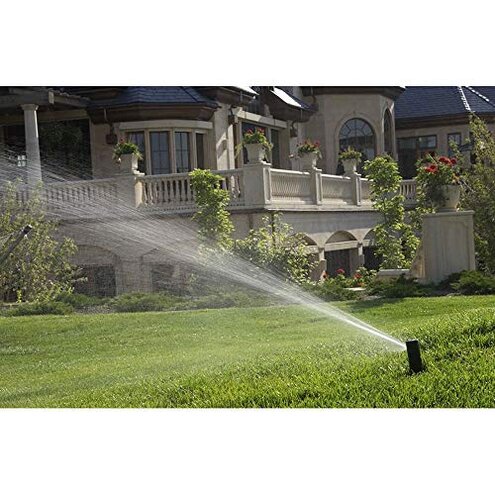
- Large lawns: Avoid if you need consistent coverage without frequent rework.
- Low-maintenance owners: Avoid if you cannot tolerate weekly cleaning or adjustments.
- High-pressure systems: Avoid if your irrigation runs at high pressure without regulators.
Who this is actually good for
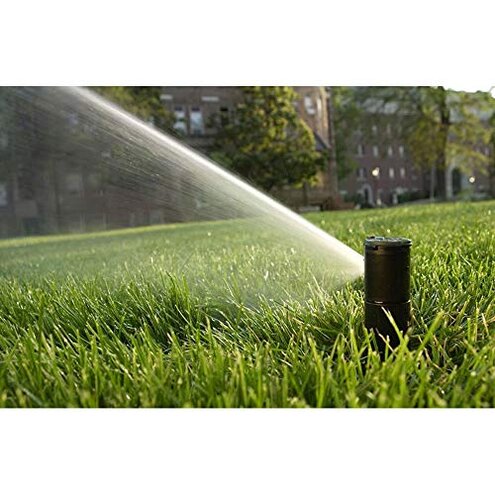
- Handy DIYers: Good if you accept extra tuning and part swaps to get performance.
- Filtered systems: Works if you already have inline filters and steady pressure.
- Budget projects: OK for small plots where spare heads are acceptable.
Expectation vs reality

Expectation: A 4-pack rotor should install and run with minimal tuning, which is reasonable for this category.
Reality: These units often need extra adjustments, filters, or nozzle swaps to avoid leaks and gaps.
Safer alternatives
- Buy filtered: Choose heads sold with a filter or add an inline filter to stop clogging.
- Prefer sealed seals: Look for rotors with factory sealed cartridges to reduce leaks.
- Match pressure: Buy heads rated for your system pressure to avoid pop-down and seal issues.
- Spare nozzles: Pick kits that include extra nozzles or easy-to-swap parts.
The bottom line
Main regret: Leaks and uneven coverage are the central triggers that cause rework and replacements.
Why worse: These problems appear more often and sooner than is normal for mid-range rotor heads.
Verdict: Avoid this pack if you need low-maintenance, reliable rotors without extra parts or tuning.
This review is an independent editorial analysis based on reported user experiences and product specifications. NegReview.com does not sell products.