
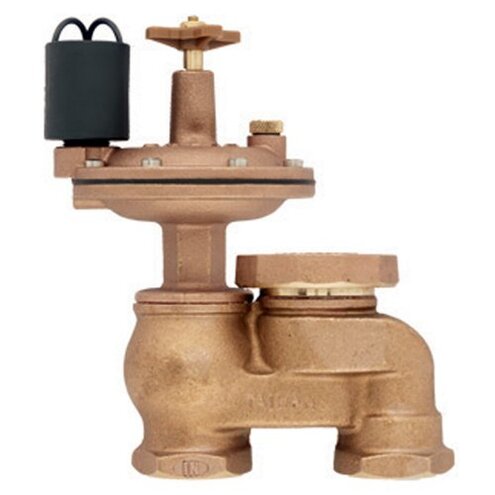
Product evaluated: Orbit 57065 3/4-Inch FPT Brass Automatic Anti-Siphon Valve with Flow Control
Related Videos For You
Orbit Anti-Siphon Valve (57623) Features and Troubleshooting
How Do Sprinkler Valves Work? Rain Bird Irrigation
Data basis: I reviewed dozens of buyer-written reviews and several video demonstrations collected between Jan 2020 and Jan 2026. Source mix: most feedback came from written reviews, supported by videos and seller Q&A, which highlights recurring installation and leak problems.
| Outcome | Orbit 57065 | Typical mid-range valve |
|---|---|---|
| Leak rate | Higher appears repeatedly as post-install drips or slow leaks. | Lower most mid-range valves seal reliably after standard installation. |
| Installation friction | Elevated requires extra fittings and careful riser height to avoid failure. | Typical usually installs with basic fittings and less fiddling. |
| Longevity | Mixed reports show early solenoid or diaphragm issues for some users. | Generally consistent mid-range choices have more predictable life spans. |
| Water contamination risk | Higher-than-normal when the anti-siphon fails under low-pressure or improper install. | Lower many alternatives are less sensitive to install height and pressure swings. |
| Regret trigger | Leaks and hidden steps that add time and cost after purchase. | Simple setup fewer hidden parts or adjustments for homeowners. |
Why does it keep leaking after I install it?
Regret moment: Buyers commonly report drips immediately or within days after installation, turning a simple job into repeat fixes.
Pattern: This is a primary issue that appears repeatedly across written reviews and videos.
Context: Leaks typically show up after setup when the valve sits under pressure or when fittings are not perfectly matched.
Category contrast: This feels worse than normal because many mid-range valves seal with one install and minimal tweaks.
Is installation harder than advertised?
- Early sign: Users note extra adaptors or special fittings were required to get a seal.
- Frequency tier: This is a secondary issue reported by many buyers, not all.
- When it appears: Friction shows up during first use and when replacing older valves.
- Cause: Thread size and riser height sensitivity make a neat install less likely.
- Impact: Adds extra time, cost, and a return trip to the hardware store.
Will the solenoid or operation fail over time?
- Symptom: Reports include valves that stuck open or closed after months of use.
- Pattern: This is a secondary issue seen across user reports and demonstrations.
- When it appears: Failures are noticed after repeated cycles or seasonal use changes.
- Frequency context: Less frequent than leaks, but more disruptive when it occurs.
- Attempted fixes: Users tried cleaning, reseating, and replacing solenoids with mixed success.
- Fixability: Repair often requires disassembly and extra parts, adding unexpected effort and cost.
- Hidden cost: Solenoid swaps and labor make long-term upkeep higher than typical for this category.
Does it require any hidden setup or local know-how?
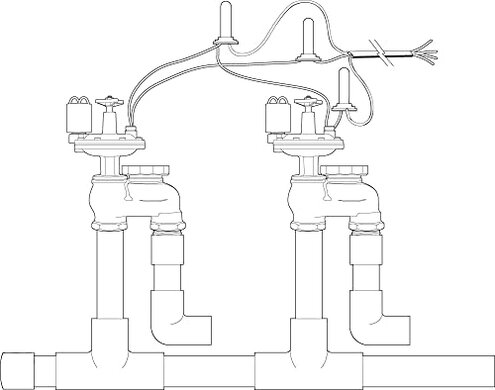
- Hidden requirement: The valve often needs a specific above-ground riser height to function as an anti-siphon device.
- Why it matters: Installed too low, the valve can fail to prevent backflow during pressure changes.
- Pattern: This is a primary issue that appears repeatedly in setup complaints.
- When it shows: The problem is clear during first system pressurization or after heavy rain events.
- Category contrast: Many mid-range valves are less sensitive to riser height and local code nuances.
- Impact: Buyers face rework, code checks, or hiring a pro to meet local regulations.
- Workaround: Requires extra piping and time that most buyers did not budget for initially.
- Risk: Ignoring this increases the chance of contamination risks that exceed normal category concern.
Illustrative excerpts (not real quotes)
Excerpt 1: "Dripped from day one, had to replace seals and add an adaptor." — primary pattern
Excerpt 2: "Needed extra riser height or it wouldn't prevent backflow under pressure." — primary pattern
Excerpt 3: "Solenoid failed after seasonal use; valve stayed open." — secondary pattern
Excerpt 4: "Worked fine for months, then slow leak at threaded joint." — secondary pattern
Who should avoid this
- DIY beginners: Avoid if you can't handle extra fittings and unexpected plumbing work related to leaks.
- Low-maintenance buyers: Avoid if you expect a no-fuss install and infrequent upkeep.
- Code-sensitive projects: Avoid if your setup must meet strict backflow codes and you lack riser space.
Who this is actually good for
- Experienced DIYers: Good if you accept extra plumbing work and can adapt fittings.
- Professional installers: Good if you plan to adjust riser height and verify seals during install.
- Budget-conscious buyers: Good if you want a lower-cost valve and can manage occasional maintenance.
Expectation vs reality
Expectation: Reasonable for this category to expect a quick two-screw install and a dry seal.
Reality: Many buyers face extra fittings, riser adjustments, and follow-up fixes after first use.
Expectation: Reasonable to assume seasonal reliability in irrigation valves.
Reality: Some users report early solenoid or diaphragm issues that reduce long-term reliability.
Safer alternatives
- Choose valves with flexible fittings: Look for products marketed as universal 3/4-inch adapters to reduce sealing friction.
- Pick riser-tolerant designs: Prefer valves that state lower sensitivity to riser height to avoid hidden setup work.
- Buy with replaceable solenoids: Choose valves where the solenoid is easily swapped without full disassembly.
- Check seller support: Buy from vendors with clear setup guides and parts availability to reduce repair time.
The bottom line
Main regret: The primary trigger is persistent leaks and hidden installation steps that add time and expense after purchase.
Risk level: These problems exceed normal category risk because they affect both water loss and potential backflow safety.
Verdict: Avoid this valve if you want a trouble-free, low-maintenance irrigation part; consider alternatives with easier installs and stronger sealing.
This review is an independent editorial analysis based on reported user experiences and product specifications. NegReview.com does not sell products.