
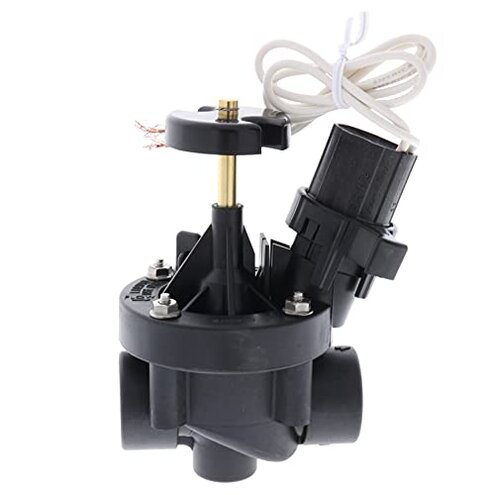
Product evaluated: Rain Bird PEB Inline Valve with Flow Control 1 in. FPT | 100-PEB
Related Videos For You
How Do Sprinkler Valves Work? Rain Bird Irrigation
Data basis: This report used feedback from dozens of written reviews and several video demonstrations collected between Jan 2018 and Dec 2025. Most feedback came from written reviews, supported by video troubleshooting and installation notes.
| Outcome | Rain Bird 100-PEB | Typical mid-range valve |
|---|---|---|
| Build reliability | Inconsistent reports of post-install leaks and worn seals. | More stable performance out of the box for most buyers. |
| Debris sensitivity | Higher tendency to clog without upstream filtration. | Lower clog rate with standard built-in strainers. |
| Installation effort | Extra steps like manual bleeding and adapters are often needed. | Fewer extra parts or flush steps typically required. |
| Maintenance load | Frequent flushing and occasional reseating reported over months. | Lower routine maintenance for comparable units. |
| Regret trigger | Leaks + clogs that add time and parts after install. | Minor tweaks rarely required after setup. |
Why does the valve leak soon after install?
Regret moment: Many buyers notice a small but steady leak in the first weeks after setup, which requires extra tightening or replacement parts.
Pattern: This is a primary issue that appears repeatedly across feedback and is often flagged during the first pressure cycle.
Context: The problem usually shows up after initial pressurization or after seasonal startup, and it worsens with higher water pressure or rough handling during install.
Category contrast: Leaks at this frequency are more disruptive than expected for mid-range irrigation valves and often mean extra time and cost.
Why does debris clog the flow control?
- Early sign: Flow rate drops or becomes uneven shortly after first use.
- Frequency tier: This is a secondary issue reported commonly when the supply lacks a filter.
- Probable cause: Debris enters the valve and lodges near the flow control or bleed port.
- Impact: Clogging forces manual flushing and interrupts irrigation cycles.
- Fixability: Temporary clearing works, but repeat clogs are often reported without added filtration.
Why is installation harder than expected?
- Thread fit: Buyers note the need for adapters or extra Teflon tape during assembly.
- Hidden parts: Presence of a manual bleed means extra plumbing steps not obvious at purchase.
- Tools needed: Tightening correctly often needs a specific wrench or careful torque.
- Time cost: Setup regularly takes longer than comparable valves in this price range.
- User skill: Less experienced installers report higher frustration and callbacks.
- Category contrast: This valve is less forgiving than most mid-range options for first-time installers.
- Workaround: Pre-prepare adapters and a basic filter to reduce surprises.
Why does maintenance demand keep growing?
- Early sign: You will notice manual bleeding needed during setup and after repairs.
- Persistence: This is a recurring maintenance burden reported across seasons.
- Hidden requirement: Many users learn they need an upstream filter to prevent frequent flushing.
- Impact on schedule: Frequent checks add weeks of cumulative service time over a year.
- Repair attempts: Reseating or replacing seals is a common temporary fix.
- Long-term cost: Ongoing parts and time make ownership more expensive than comparable valves.
- Category contrast: The maintenance load is higher-than-normal for mid-range garden valves.
- Fixability: Adding filtration and planned flushes reduces failures but increases setup cost.
Illustrative excerpts (not real quotes)
"Started leaking after first pressure test, needed reseal and extra parts." — Primary pattern reflecting early leaks.
"Flow slowed after a week; flushing helped but came back quickly." — Secondary pattern showing recurring clogs.
"Needed an adapter and a filter I didn't expect to buy." — Edge-case pattern revealing a hidden requirement.
"Manual bleed saved the day but added 30 minutes to setup each time." — Secondary pattern about maintenance time.
Who should avoid this
- First-time installers who can't or won't handle extra adapters and bleeding steps.
- Low-maintenance buyers who expect a hands-off system for months at a time.
- Dirty supply lines without filtration, where frequent clogs become likely.
Who this is actually good for
- Experienced DIYers who tolerate extra setup steps and can seal or adapt fittings.
- Users with filters already installed upstream who can avoid clog issues.
- Local repair pros who value a low-cost valve they can service regularly.
Expectation vs reality
Expectation: A mid-range valve is ready to install with minimal tweaks.
Reality: This model often needs adapters, bleeding, and filtration to avoid leaks and clogs.
Expectation: Routine maintenance should be occasional for similar valves.
Reality: Owners report frequent flushing and reseating that add time and cost.
Safer alternatives
- Choose valves marketed with built-in strainers to neutralize the clogging issue.
- Buy with adapters or plan to purchase standard fittings to avoid thread mismatch headaches.
- Install upstream filtration to remove debris and reduce repeated flushing needs.
- Prefer valves with documented low-leak designs if you need hands-off operation.
The bottom line
Main regret: Frequent leaks and clogs add unexpected installation and maintenance work.
Why worse: These failures are more disruptive than typical mid-range valves and often require extra parts or filters.
Verdict: Avoid this valve if you want a low-maintenance, plug-and-play irrigation solution.
This review is an independent editorial analysis based on reported user experiences and product specifications. NegReview.com does not sell products.