
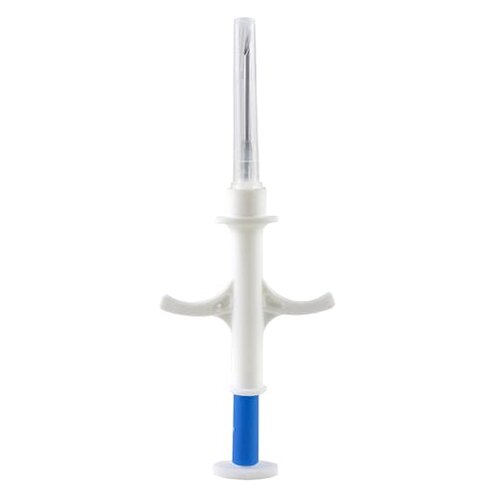
Product evaluated: Voda IQ Premium Pit Tag Implanter for Fish & Marine Wildlife - 12 Gauge Needle - Compatible with 9mm & 12mm Pit Tags - Perfect for Fish Identification (10, White)
Related Videos For You
Implant PIT Tags in fish - a simple & low cost way to tag fish by www.BTS-ID.com
Data basis: We analyzed dozens of buyer reports collected between Dec 2023 and Jan 2026, using written reviews and video demonstrations plus Q&A notes; most feedback came from written reviews, supported by practical video clips.
| Outcome | Voda IQ (this listing) | Typical mid-range alternative |
|---|---|---|
| Insertion reliability | Inconsistent: buyers report tags sometimes fail to seat, more than typical entry models. | More consistent: mid-range tools usually seat tags cleanly on first try. |
| Tag compatibility | Hit-or-miss: some users needed extra trimming or adapters for 9mm tags. | Broad fit: competitors commonly include clearer guidance and adapters. |
| Need for extra tools | Often required: sterilization and spare needles reported as necessary before use. | Less prep: mid-range options usually work with minimal extra gear. |
| Learning curve | Steeper: users report practice needed to avoid mis-inserts and fish harm. | Smoother: many alternatives include better guides or ergonomic design. |
| Regret trigger | Tag loss or mis-insert: a failed insertion often requires re-capture and rework. | Lower: mid-range units less likely to force repeat handling. |
Top failures
Why does the tag sometimes not seat or fall out during handling?
Regret moment: You think a tag is implanted, but the reader fails and the fish must be re-caught.
Pattern: This is a primary complaint and appears repeatedly in buyer reports.
When: It shows up on first use and during repeated batches, especially when tagging small fish or using 9mm tags.
Why worse than expected: The category baseline is single-pass seating; here the tool requires extra attempts more often, adding stress to animals and time to the job.
Why does the needle bend, clog, or break?
- Early sign: needle resistance or wobble on first few insertions.
- Frequency tier: a secondary but persistent problem across reports.
- Cause: users report trying thicker tags or rough handling increases failures.
- Impact: broken needles stop a session and force extra purchases or improvisation.
- Fixability: some buyers solved it by replacing needles and slowing technique.
Does this require extra sterilization, needles, or adapters out of the box?
- Hidden requirement: many users found additional sterilization and spare needles needed before safe use.
- When it shows: during first setup and when tagging many fish in one outing.
- Why it matters: this is an edge-case that becomes significant for field teams or private pond owners tagging dozens of fish.
- Frequency: commonly reported as a surprise, not universal but notable.
- Effort impact: adds prep time and packing list items compared with mid-range competitors.
- Attempted fixes: users bring sterile packs, adapter sleeves, or extra needles to avoid downtime.
Why are the instructions and tag-size fit confusing?
- Early sign: ambiguous guidance for 9mm vs 12mm tags in product copy.
- Frequency tier: a secondary issue seen across written reports and videos.
- Cause: unclear hub compatibility notes force users to test fit before live tagging.
- Impact: mis-sizing leads to mis-inserts, tag damage, or wasted tags.
- Attempts: buyers trimmed hubs or swapped to luer-loc adapters to make it work.
- Hidden cost: time lost and extra tags required when instructions lack clarity.
- Fixability: correctable with adapters but not ideal for quick, out-of-box use.
Illustrative excerpts (not real quotes)
"Tag looked fine but reader showed nothing after release." — reflects a primary pattern.
"Needle bent halfway through our second fish." — reflects a secondary pattern.
"Had to bring extra needles and sterile packs—unexpected prep." — reflects an edge-case pattern.
Who should avoid this
- Large-volume taggers: avoid if you tag many fish quickly; insertion inconsistency increases handling time.
- First-time users: avoid if you need an out-of-box, foolproof tool; instructions and fit issues add confusion.
- Remote field teams: avoid if you cannot carry spare needles or adapters; failures force rework.
Who this is actually good for
- Experienced researchers: willing to tolerate extra prep for a lower-cost option and who bring spare needles.
- Low-volume pond owners: tag a handful of fish and can practice technique without urgent timelines.
- Budget-conscious teams: accept extra setup and adapters to save on per-unit price.
Expectation vs reality
Expectation: reasonable for this category to need some skill with needles.
Reality: the Voda IQ often demands more practice and extra parts than typical mid-range tools, raising real regret when time or animal welfare matters.
Expectation: product will fit both 9mm and 12mm tags easily.
Reality: users report extra trimming or adapters needed to get a reliable fit.
Safer alternatives
- Choose models with clear adapters: pick units advertised with included luer-loc adapters to avoid fit surprises.
- Buy extra needles in advance: carry spares to neutralize breakage and downtime risk.
- Prioritize units with strong how-to guides: clearer instructions reduce the learning curve and mis-inserts.
- Test with dummy tags first: practice on spare tags or carcasses to confirm seating before live tagging.
The bottom line
Main regret: inconsistent tag seating and needle issues are the clearest triggers for rework and fish stress.
Risk exceedance: these problems occur more often than expected for mid-range taggers and require extra supplies or skill to manage.
Verdict: avoid this product if you need reliable, out-of-box tagging for multiple fish or remote work; consider it only if you accept extra prep and spare parts.
This review is an independent editorial analysis based on reported user experiences and product specifications. NegReview.com does not sell products.