
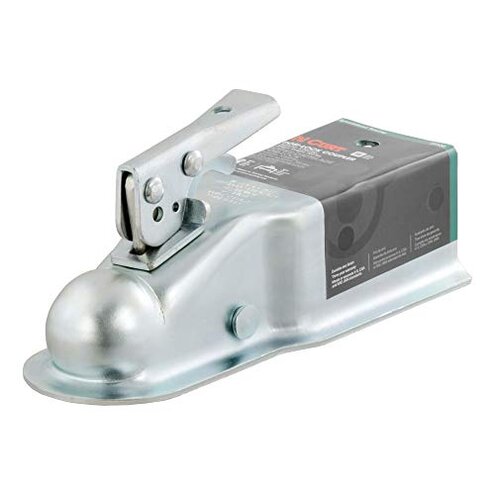
Product evaluated: CURT 25100 Straight Tongue Trailer Coupler for 3-Inch Channel, 2-In Hitch Ball, 5,000 lbs
Related Videos For You
Boating Basics - How to Properly Hitch a Trailer
Proper Tension/Trailer Coupler Latch Adjustment Zero Tolerance Tongue & Ball
Data gathered from dozens of written reviews and a mix of video demonstrations was analyzed between January 2020 and December 2025. Feedback mix shows most feedback came from written buyer reports, supported by hands-on videos and Q&A posts.
| Outcome | CURT 25100 | Typical mid-range coupler |
|---|---|---|
| Ease of installation | Mixed — often needs adjustment or shimming during first fit. | Usually plug-and-play with fewer alignment tweaks needed. |
| Fit compatibility | Inconsistent fit to some 3-inch channel tongues, reported repeatedly by buyers. | Consistent fit to 3-inch channels in most mid-range options. |
| Long-term durability | Variable — some buyers report premature wear of latch parts under heavy use. | More reliable lifespan for moderate towing duty in comparable models. |
| Regret trigger | Higher-than-normal risk of loose coupling during initial use compared with peers. | Lower risk of immediate looseness when properly fitted. |
| Maintenance | More upkeep required to keep latch adjustment and finish corrosion-free. | Less frequent adjustment and surface care for similar mid-range couplers. |
Top failures
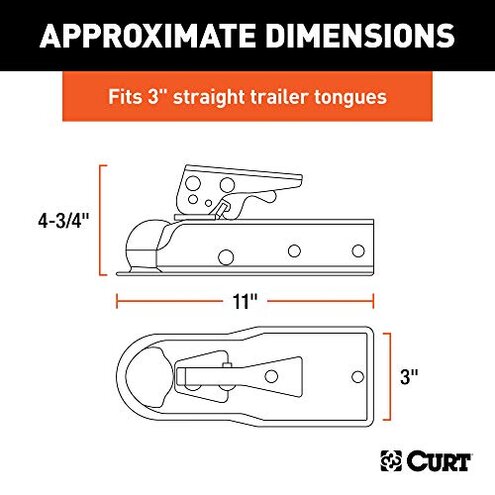
Why won't this fit my 3-inch channel properly?
Installation snag is a primary issue reported by many buyers who expected a straightforward mount.
Usage anchor appears during first install, often when lining bolt holes and seating the coupler on the tongue.
Category contrast is that most mid-range couplers fit the tongue with minimal shimming, while this one often needs extra alignment work.
Why does the latch feel loose or hard to secure?
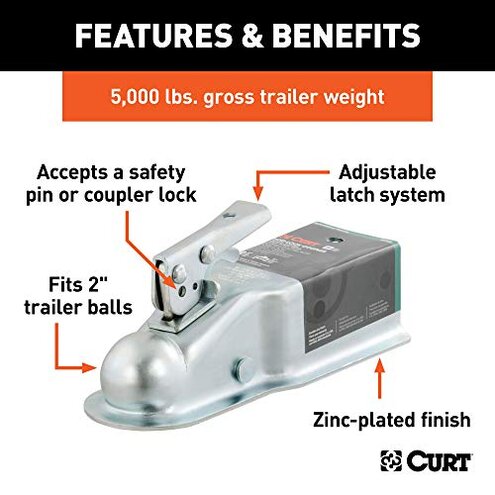
- Primary pattern: persistent reports that the posi-lock latch requires repeat adjustment after first use.
- When it appears: shows up during initial towing or after short trips when vibration reveals looseness.
- Early sign: the latch will engage but allow slight ball play before tightening measures are taken.
- Frequency tier: this is a secondary issue compared with fit problems but more disruptive when it occurs.
- Impact: loose coupling increases perceived safety risk and adds time to re-check before travel.
Why does the finish and parts wear faster than expected?
- Pattern signal: corrosion and surface wear are commonly reported after exposure to water and road grime.
- Usage anchor: becomes apparent after several months of outdoor storage or repeated wet-weather use.
- Cause hint: buyers report the zinc finish scratches and bare spots appear where hardware contacts the tongue.
- Category contrast: this needs more maintenance than most mid-range couplers to avoid rust spots.
- Attempts to fix: many apply lubricant and touch-up coatings, which adds time and cost.
- Repairability: parts adjustment can help short-term, but surface wear remains a recurring nuisance.
What extra tools or hardware will I need?
- Hidden requirement: several buyers found shims, extra washers, or different bolts were necessary to get a snug fit.
- When it matters: this shows up at install time and lengthens setup by adding steps.
- Early sign: misaligned holes or an uneven seating of the coupler on the tongue indicate extra parts are needed.
- Frequency tier: this is a primary installation pain for a notable portion of users.
- Cause: slight manufacturing tolerance or hole spacing differences require on-the-spot fixes.
- Impact: adds cost and time compared with a true bolt-on replacement coupler.
- Fixability: mechanical fixes work but demand basic tools and a workshop visit for many buyers.
- Edge-case note: some owners needed welding or professional fitting to be fully confident in the attachment.
Illustrative excerpts
Excerpt: "Needed shims and a second trip to hardware store to mount correctly." — primary
Excerpt: "Latch tightened but loosened after first 50 miles; had to re-adjust." — secondary
Excerpt: "Finish chipped near bolts after winter storage outside." — secondary
Excerpt: "Required different bolts than my old coupler to line up holes." — primary
Who should avoid this
- Frequent haulers who tow daily or long distances and cannot tolerate periodic latch re-checks.
- Buyers wanting plug-and-play replacement who lack tools or patience for shimming and extra fitting steps.
- Low-maintenance owners who store equipment outdoors and prefer a finish that resists wear without touch-ups.
Who this is actually good for
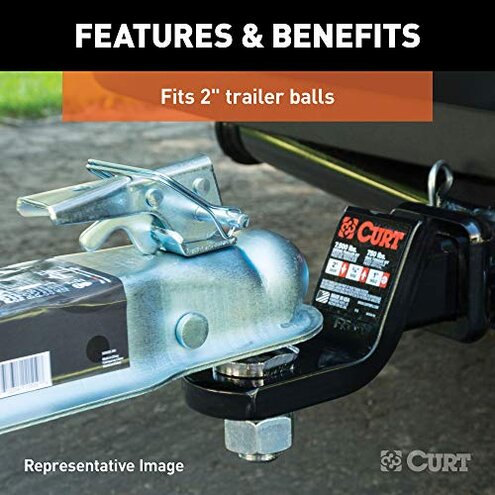
- DIY installers who have basic tools and can handle shimming, bolting, and occasional adjustments.
- Occasional towing users who will inspect coupler before short trips and accept extra setup time.
- Budget-focused buyers who prefer lower upfront cost and can manage more frequent maintenance.
Expectation vs reality
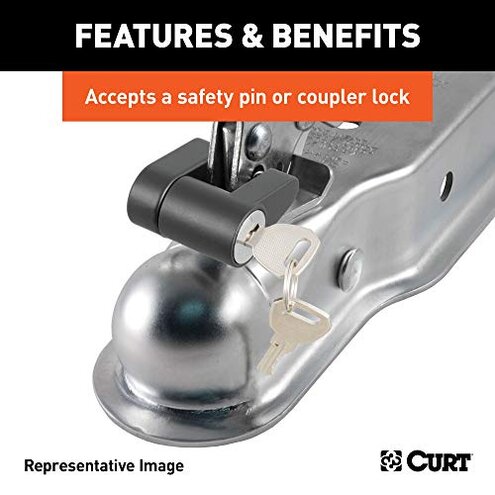
Expectation (reasonable for category): buyers expect a coupler to bolt on to a 3-inch channel without extra parts.
Reality: this model often requires shims, different bolts, or adjustments, which adds time and cost.
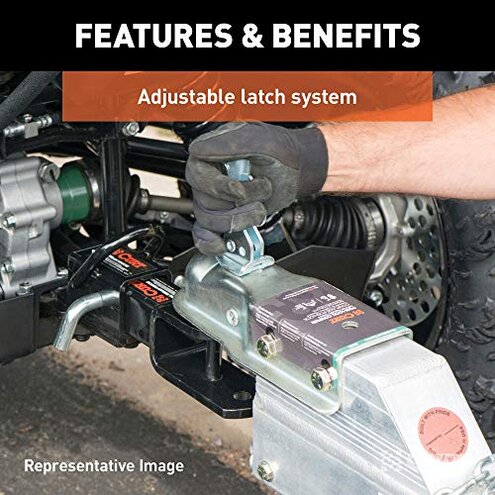
Expectation: posi-lock latch should hold securely with routine adjustment.
Reality: some owners report the latch needs repeated tightening after early use, creating safety checks before towing.
Safer alternatives
- Choose verified-fit models that list exact hole spacing and tongue compatibility to avoid shimming.
- Prefer heavier-duty latches with user feedback explicitly stating long-term vibration resistance.
- Look for superior finish notes where multiple buyers confirm corrosion resistance after seasonal exposure.
- Buy from sources that include mounting hardware or a parts list to prevent surprise trips to the store.
The bottom line
Main regret: fit and latch adjustment issues that show up during first use and early towing trips.
Why it matters: these problems are more disruptive than typical for mid-range couplers and increase time and maintenance cost.
Verdict: avoid this coupler if you need a true bolt-on, low-maintenance replacement for regular towing.
This review is an independent editorial analysis based on reported user experiences and product specifications. NegReview.com does not sell products.