
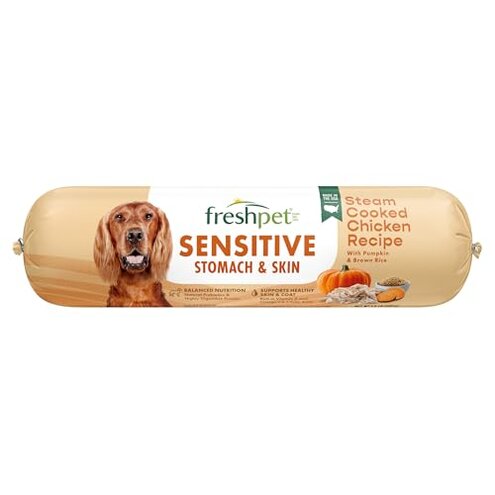
Product evaluated: Hill's Science Diet Sensitive Stomach & Skin, Adult 1-6, Stomach & Skin Sensitivity Support, Dry Dog Food, Chicken Recipe, 30 lb Bag
Related Videos For You
PhD Nutritionist Reacts to Home-Cooked Dog Food
Vet Approved Homemade Dog Food: Good for Digestive Issues
Data basis: This report draws on hundreds of buyer comments collected from written feedback and video-style product impressions between 2024 and 2026. Most signals came from longer written reviews, with added context from short-form demonstrations and update posts, which helped separate first-bag reactions from problems that showed up during daily feeding.
| Buyer outcome | This product | Typical mid-range alternative |
|---|---|---|
| Stomach stability | Higher risk of mixed results, especially after switching or on daily feeding | More predictable digestion once transition steps are followed |
| Skin and coat payoff | Uneven results for the problem buyers hoped to fix | Moderate improvement is more commonly expected, though not guaranteed |
| Bag freshness | More frustrating when a large bag does not stay appealing long enough | Typical risk is lower because many alternatives are bought in smaller sizes |
| Daily value | Harder to justify when a sensitive dog does not improve | Easier to trial with less money tied up front |
| Regret trigger | Paying premium-sensitive-food pricing without reliable symptom relief | Adjustment regret is still possible, but the downside is usually smaller |
Why does a “sensitive stomach” food still upset some dogs?
This is the primary issue. The biggest regret moment is buying a large bag for stomach support, then seeing loose stools, gas, or no improvement after the switch. That feels more disruptive than expected because this category is supposed to reduce feeding stress, not add more trial and error.
The pattern appears repeatedly, especially during the first days of transition and then again during normal daily feeding for dogs with already-touchy digestion. A small adjustment period is reasonable for this category, but buyers commonly describe a bumpier transition than they expected from a food positioned for sensitivity support.
- Early sign: Problems often show up on first use or within the first stretch of switching from another food.
- Frequency tier: This is a primary complaint and among the most common reasons people stop using it.
- Usage moment: The issue becomes obvious during regular meals, when stool quality or stomach comfort should be stabilizing.
- Impact: It can create extra cleanup, extra monitoring, and added stress for owners trying to simplify feeding.
- Trade-off: Some dogs do fine, but the mixed response rate looks less forgiving than typical mid-range sensitive-stomach options.
Illustrative: “I bought it for stomach help, and the stomach issues got worse first.”
Pattern: This reflects a primary complaint.
What if the skin or coat benefits never really show up?
- Pattern: This is a secondary issue, but it appears repeatedly across feedback from buyers choosing it for itching or coat support.
- When it hits: Regret tends to show up after repeated feeding, once owners realize the expected skin or coat change is limited.
- Why it stings: The product is marketed around both stomach and skin support, so weak visible payoff feels bigger than a normal “food may vary” result.
- Category contrast: It is reasonable for dog food results to take time, but buyers often expect clearer signs of progress at this price level.
- What buyers notice: The dog may eat it fine, yet itching, dull coat, or sensitivity concerns seem unchanged.
- Fixability: This is only partly fixable because the usual answer is trying a different food, which means more time and more expense.
Illustrative: “The coat looked about the same, so the bigger bag felt risky.”
Pattern: This reflects a secondary complaint.
Is the 30 lb bag a bad fit if your dog is picky or reacts badly?
This hidden requirement catches people off guard. To reduce your risk, you may need to start with a smaller bag first, because a 30 lb bag is expensive to experiment with.
The complaint is persistent, especially when a dog refuses it, loses interest, or has a poor response after opening. That is worse than expected for this category because food trial-and-error is common, but the cost of being wrong is higher here than with smaller mid-range alternatives.
- Regret trigger: The problem becomes obvious after purchase, when the dog will not eat enough of it or cannot tolerate it.
- Frequency tier: This is a secondary issue, less frequent than digestion complaints but more frustrating when it happens.
- Why it matters: The large size adds waste risk and makes “just test it” a more expensive decision.
- Hidden requirement: Buyers often need a slow transition plan and a smaller trial size, even though the listed offer emphasizes the big bag value.
- Comparison point: Many mid-range alternatives are easier to test without committing this much food at once.
- Mitigation: If you still want to try it, starting small is the safer move.
- Value impact: At $83.99, a failed trial feels harder to shrug off than with standard dry food.
Illustrative: “My dog quit liking it, and now I’m stuck with a huge bag.”
Pattern: This reflects a secondary complaint.
Does the price feel too high when results are only average?
- Pattern: This is a persistent value complaint seen across different kinds of buyer feedback.
- When it appears: It usually shows up after a few weeks, when owners compare the cost against the actual change in symptoms.
- Severity: This is not the most common complaint, but it becomes more frustrating when paired with weak digestion or skin improvement.
- Buyer impact: The food can feel overpriced if it performs like an ordinary dry food for that dog.
- Category contrast: Sensitive-support food usually costs more, but buyers expect more reliable symptom relief than standard kibble in return.
- Compounding factor: The large bag size increases the sense of overpaying if the dog only partly benefits.
- Mitigation: This product makes the most sense only when a dog clearly does well on it.
- Bottom of issue: If your dog is a “maybe,” the price makes the gamble feel less reasonable than average.
Illustrative: “It’s expensive enough that I needed clear results, not just okay results.”
Pattern: This reflects a secondary complaint.
Who should avoid this
- Avoid it if your dog reacts badly to food changes, because the main complaint is that stomach upset can appear right when buyers expect relief.
- Avoid it if you need fast, visible skin improvement, since the coat and itch payoff looks less dependable than many shoppers expect.
- Avoid it if your dog is picky, because a 30 lb bag creates a bigger waste risk than smaller alternatives.
- Avoid it if you are budget-sensitive, because the regret is sharper when the premium price does not bring premium results.
Who this is actually good for
- Good fit for owners whose dogs already do well on this formula and want to keep a familiar routine.
- Good fit for buyers willing to accept a careful transition, because some feeding issues are easier to tolerate if the dog has done well before.
- Good fit for households where a large bag gets used quickly, which lowers the waste risk tied to the bigger size.
- Good fit for dogs that need only mild support, where owners are comfortable with gradual rather than dramatic visible changes.
Expectation vs reality
- Expectation: A sensitive-stomach food should make digestion more stable after the switch.
Reality: For a meaningful share of buyers, the first problem is that stomach issues still show up during early feeding. - Expectation: A skin-support formula should show visible payoff over time.
Reality: The improvement appears mixed enough that some owners do not feel the price was earned. - Reasonable for this category: Some transition effort is normal with dry dog food.
Reality: The downside here can feel worse because the trial size many buyers see is a 30 lb commitment. - Expectation: Higher price should lower the risk of a wrong choice.
Reality: The cost raises the regret when the results are merely average.
Safer alternatives
- Start smaller: Choose a smaller bag first to neutralize the high-cost regret tied to a failed 30 lb trial.
- Transition slower: Stretch the food change over more meals to reduce the main complaint of stomach upset during the switch.
- Prioritize one goal: If your main problem is skin, compare options focused more clearly on coat support instead of expecting a two-in-one fix.
- Track response: Watch stool quality, appetite, and scratching early so you can stop before wasting more food and time.
- Compare value: Look at smaller mid-range sensitive formulas if you need lower-risk testing before paying premium pricing.
The bottom line
The main regret trigger is simple: buyers pay sensitive-food pricing and still run into digestive upset, weak skin payoff, or both. That exceeds normal category risk because this kind of food is bought to reduce uncertainty, yet the large 30 lb format makes a wrong choice more expensive. Verdict: avoid it if your dog is highly reactive, picky, or you need dependable symptom improvement on the first try.
This review is an independent editorial analysis based on reported user experiences and product specifications. NegReview.com does not sell products.