
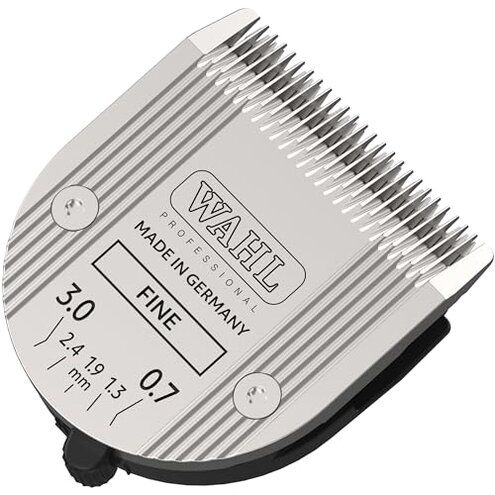
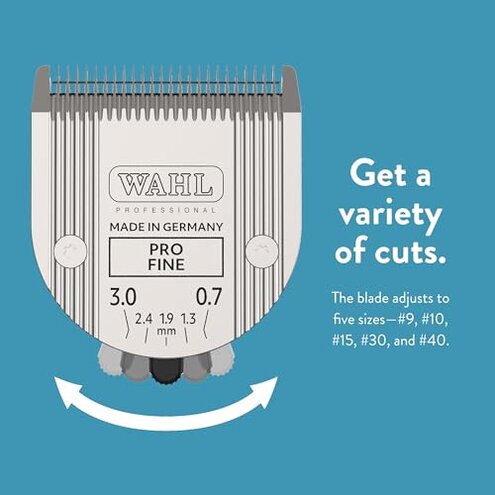
Product evaluated: WAHL Professional Animal 5-in-1 Adjustable Blade Arco, Bravura, Chromado, Creativa, Figura, and Motion Pet, Dog, and Horse Clippers - Fine (2179-301)
Related Videos For You
WAHL How to Use a Wahl ‘5 in 1’ Blade
Dog Grooming Clipper Blades-Everything You Need to Know
Data basis: This report summarizes dozens of buyer comments gathered from written feedback and video-style demonstrations collected from 2023 to 2026. Most feedback came from written comments, with video examples helping confirm how the blade behaves during real grooming sessions and repeat replacements.
| Buyer outcome | This blade | Typical mid-range alternative |
|---|---|---|
| First-use confidence | Mixed; compatibility and cut quality concerns appear repeatedly after installation. | More predictable; usually works as expected if the clipper match is clear. |
| Daily grooming ease | Less forgiving; performance complaints show up during full grooming sessions. | Steadier; usually needs less mid-session adjustment. |
| Upkeep burden | Higher-than-normal risk; frequent checking, cleaning, and troubleshooting are commonly reported. | Moderate; normal oiling and cleaning are expected, but fewer repeated resets. |
| Value over time | Uneven; less frequent than fit issues, but early dulling is more frustrating when it occurs. | More consistent; buyers usually expect longer usable life at this price level. |
| Regret trigger | Paying replacement-blade money and still needing extra passes or another blade soon after. | Mainly routine wear, not immediate confidence loss. |
Why does it stop feeling sharp sooner than expected?
This is a primary issue. A recurring complaint is that the blade stops cutting cleanly after repeated use, especially during full-body grooming or thicker coat work. That is more disruptive than expected for this category because replacement blades at this price are usually bought to restore easy cutting right away.
The regret moment tends to happen after setup, when a buyer expects a fresh blade to glide through fur but instead needs extra passes. In a category where normal wear is expected, the frustration here is that the drop in performance can feel early rather than gradual.
- Pattern: Early dull-feeling performance appears repeatedly, though it is not universal.
- When: It usually shows up during longer grooming sessions or when moving from light trimming to fuller coat work.
- What buyers notice: The blade can start skipping, snagging, or leaving uneven patches that need rework.
- Why it stings: That adds extra passes, extra cleanup, and more stress for the animal.
- Category contrast: Some upkeep is normal, but this seems less forgiving than many mid-range alternatives.
- Fix attempts: Buyers commonly try oiling and cleaning, but the improvement is not always enough.
- Hidden cost: If the blade underperforms early, the value drops because replacement timing feels sooner than expected.
Illustrative: “It cut fine at first, then needed too many passes on the same area.” Primary pattern.
Why can installation turn into a compatibility headache?
- Frequency tier: This is a primary issue because fit and compatibility confusion appear among the most common complaints.
- Usage moment: The problem usually starts right after installation, before the first full groom.
- Buyer-visible effect: Some owners report the blade does not seat cleanly or behave as expected on supported clipper lines.
- What makes it worse: It gets more frustrating when buyers replace blades frequently and expect quick swap-in convenience.
- Hidden requirement: This blade seems to demand careful matching and setup attention that many buyers do not expect from a routine replacement part.
- Why this exceeds baseline: In this category, replacement blades should be fairly straightforward; repeated setup friction feels worse than normal.
- Fixability: Some issues improve with reinstalling and checking alignment, but that adds time and doubt.
- Regret angle: The frustration is not just fit trouble; it is losing confidence that the blade will work when grooming time is already scheduled.
Illustrative: “I expected snap-on simple, but I had to keep reseating it.” Primary pattern.
Why does grooming take longer than a replacement blade should?
This is a secondary issue. A persistent pattern is that buyers end up slowing down, checking the blade, and repeating sections during routine trims. That trade-off matters because a fresh blade is supposed to save time, not create more stops.
It usually appears during daily use, especially on nervous pets or larger animals where delays make the session harder. Compared with a typical mid-range alternative, this feels more frustrating because time loss compounds fast once the animal starts moving.
- Early sign: The first clue is often uneven cutting in areas that normally finish quickly.
- Pattern statement: Reports of extra effort are recurring, even if not every buyer experiences them.
- Session impact: More passes can mean longer restraint time for the animal.
- Why buyers regret it: What should be a simple maintenance part becomes a workflow problem.
- Category contrast: Some slowdowns are normal on dense coats, but repeated delays feel more frequent than expected here.
Illustrative: “The trim took much longer because I kept going back over missed spots.” Secondary pattern.
Why do some buyers feel the price is hard to justify?
- Intensity cue: This is a secondary issue, less frequent than fit complaints but more frustrating when it follows early wear.
- When it hits: Regret usually sets in after a few uses, once buyers compare the effort saved versus the money spent.
- Root cause: If performance feels inconsistent, the $37.99 price starts to feel high for a single replacement blade.
- Why it feels worse: Mid-range blade buyers usually expect dependable restoration, not trial-and-error maintenance.
- Compounding factor: The value looks weaker if owners still need backup blades or sharpen/replacement plans sooner than expected.
- Mitigation: Buyers who only do light touch-up work may feel less of this pain than those doing full grooms.
Illustrative: “For this price, I expected a clear upgrade, not another thing to troubleshoot.” Secondary pattern.
Who should avoid this
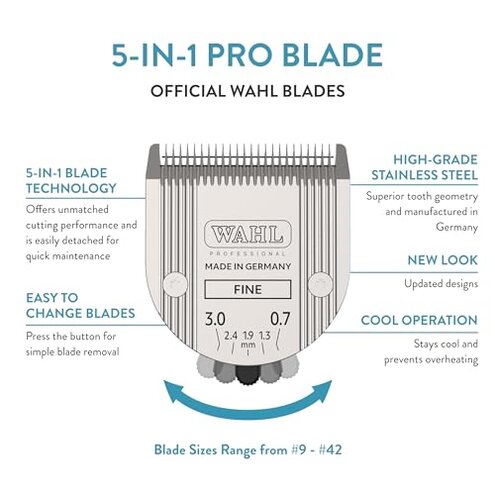
- Avoid it if you need a blade that works with minimal setup fuss right before scheduled grooming.
- Avoid it if you groom full coats regularly, where early dull-feeling performance creates bigger time loss than normal.
- Avoid it if your pet gets stressed during long sessions, because extra passes can turn a routine trim into a struggle.
- Avoid it if you are price-sensitive and expect strong value per replacement without troubleshooting.
Who this is actually good for
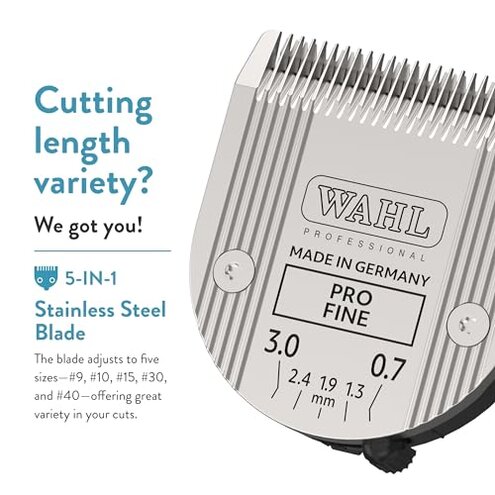
- Good fit for owners doing small touch-ups who can tolerate more maintenance between uses.
- Good fit for experienced groomers who already know how to check alignment, clean often, and diagnose blade behavior.
- Good fit if your clipper match is already proven and you only need light trimming, not demanding full-body work.
- Good fit for buyers willing to accept shorter confidence windows in exchange for staying within the same blade system.
Expectation vs reality
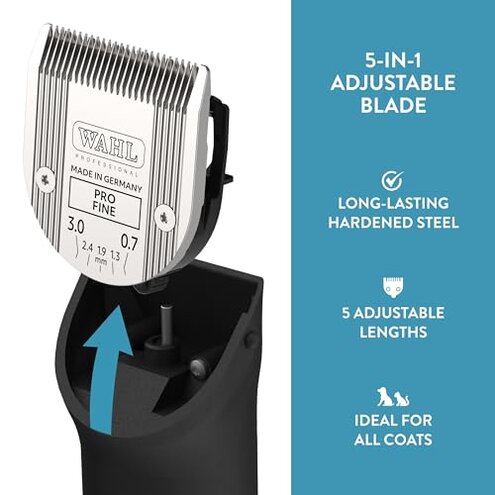
Expectation: A replacement blade should restore easy cutting with little extra work.
Reality: A recurring complaint is that buyers still need extra passes, cleaning, or reseating before they trust the result.
Reasonable for this category: Some maintenance is normal with clipper blades.
Worse-than-expected reality: The upkeep here can feel more frequent than typical mid-range alternatives, especially during active grooming.
Expectation: A model-listed blade should be simple to swap.
Reality: Compatibility and fit questions appear often enough to make first-use confidence shaky.
Safer alternatives
- Choose blades with a stronger reputation for consistent fit if quick replacement is your main priority.
- Look for options known for better long-session cutting if you groom full coats instead of doing touch-ups.
- Prefer systems with easier-to-follow installation guidance if you do not want hidden setup requirements.
- Buy from lines with stronger buyer confidence on lasting sharpness if you are trying to reduce replacement frequency.
- Keep a backup if your animal cannot tolerate interruptions, which helps neutralize the risk of mid-session underperformance.
The bottom line

Main regret trigger: Buyers pay $37.99 for a replacement blade and still run into fit doubt, extra passes, or earlier-than-expected wear signs. Those problems exceed normal category risk because they undermine the main reason people buy a replacement blade: fast, dependable grooming. Verdict: Avoid this if you need predictable performance for regular full grooming, and consider it only if you can tolerate extra setup and maintenance.
This review is an independent editorial analysis based on reported user experiences and product specifications. NegReview.com does not sell products.